A soft case is better for daily carry, premium hand feel and lighter retail products, while a hard case is better for crush risk, freight and heavy field use. For OEM camera case projects, the right choice depends on device value, travel conditions, internal fit, surface feel and how the product should sell on the page.
Quick Answer: Soft Case vs Hard Case for Camera Projects
| Factor | Soft Case / Soft-Formed Case | Hard Case / Rigid Case |
|---|---|---|
| Protection Style | Close fit, flexible cushioning, lighter structure | Rigid shell, higher crush resistance |
| Weight | Light to medium | Medium to heavy |
| Hand Feel | Soft, fabric-like or leather-like | Firm, box-like |
| Portability | Easier for backpacks and daily use | Bulkier for travel and storage |
| Retail Position | Premium creator accessory, fitted case, soft case for camera | Industrial protection, shipping, outdoor kit |
| Cost Driver | Layer structure, stitching, lining, fit development | Shell structure, hardware, inserts, volume |
| OEM Fit | Good for model-specific cases and branded lines | Good for heavy kits and high-risk transport |
Where Hard Cases Win
A hard case protects by resisting outside pressure. If the camera kit may be checked into air freight, stacked in transport, stored with heavy equipment or used in harsh field conditions, a rigid shell is often the safer choice.
Hard cases also make sense when the product message is simple: maximum toughness. Buyers can understand the value quickly because the case looks strong before they even open it.
The trade-off is weight and feel. A camera hard case can be bulky, harder to pack into a creator bag and less refined for a premium accessory line. If the customer carries the case every day, too much structure can become a reason not to use it.
For B2B buyers, this matters commercially. A heavy case may look protective, but it can raise freight cost, reduce portability and make the retail product feel more industrial than personal.
Where Soft Cases Win
A soft case for camera projects wins when the buyer wants protection that feels lighter, slimmer and more premium. The case does not have to feel like a plastic box to be protective.
Multi-Layer Soft Forming is one way to reach that balance. The case structure can stay slim while holding a cleaner device shape. The buyer feels a soft surface, but the camera still gets a fitted protective body.
This is useful for action cameras, pocket creator cameras, compact camera accessories, lens pouches and branded kits where the unboxing experience matters. A fitted soft case can look more intentional than a generic pouch and easier to carry than a rigid box.
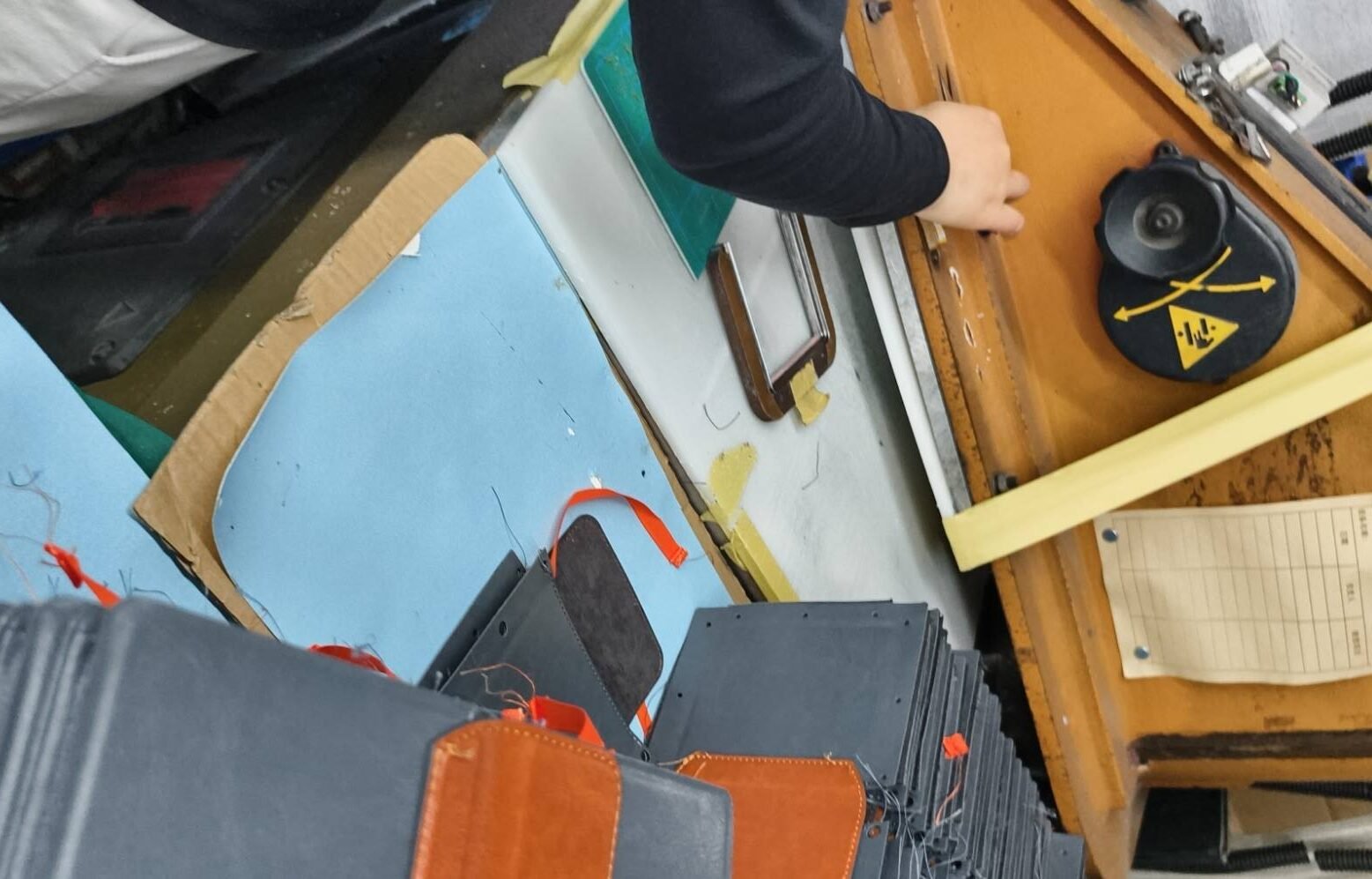
Factory evidence: R036 records material layer preparation before forming, and R012 records finished case correction work after inspection. These records support a practical point: a soft case is not just fabric. The layers, shape correction, lining and finished inspection decide whether the case keeps its form. Evidence IDs: MFG-FORM-001, MFG-QC-001.
Protection Is Fit, Not Only Hardness
Many buyers compare soft case vs hard case for camera protection as if the harder product always protects better. That is too simple.
A camera is damaged not only when the outside shell bends. It is also damaged when it moves inside the case, hits the zipper area, rubs against a cable or presses into an accessory. A soft case with a precise inner fit can reduce that movement. A hard case with a poor insert can still let the camera shift.
For daily carry, the question should be:
- Does the device stay in one position?
- Are the lens, screen, ports and corners supported?
- Are batteries, mounts and cables separated from the camera body?
- Does the case close without pressing on a fragile part?
- Will the user actually carry it every day?
The last question is often forgotten. A case that is too heavy may protect well in theory but stay at home in practice.
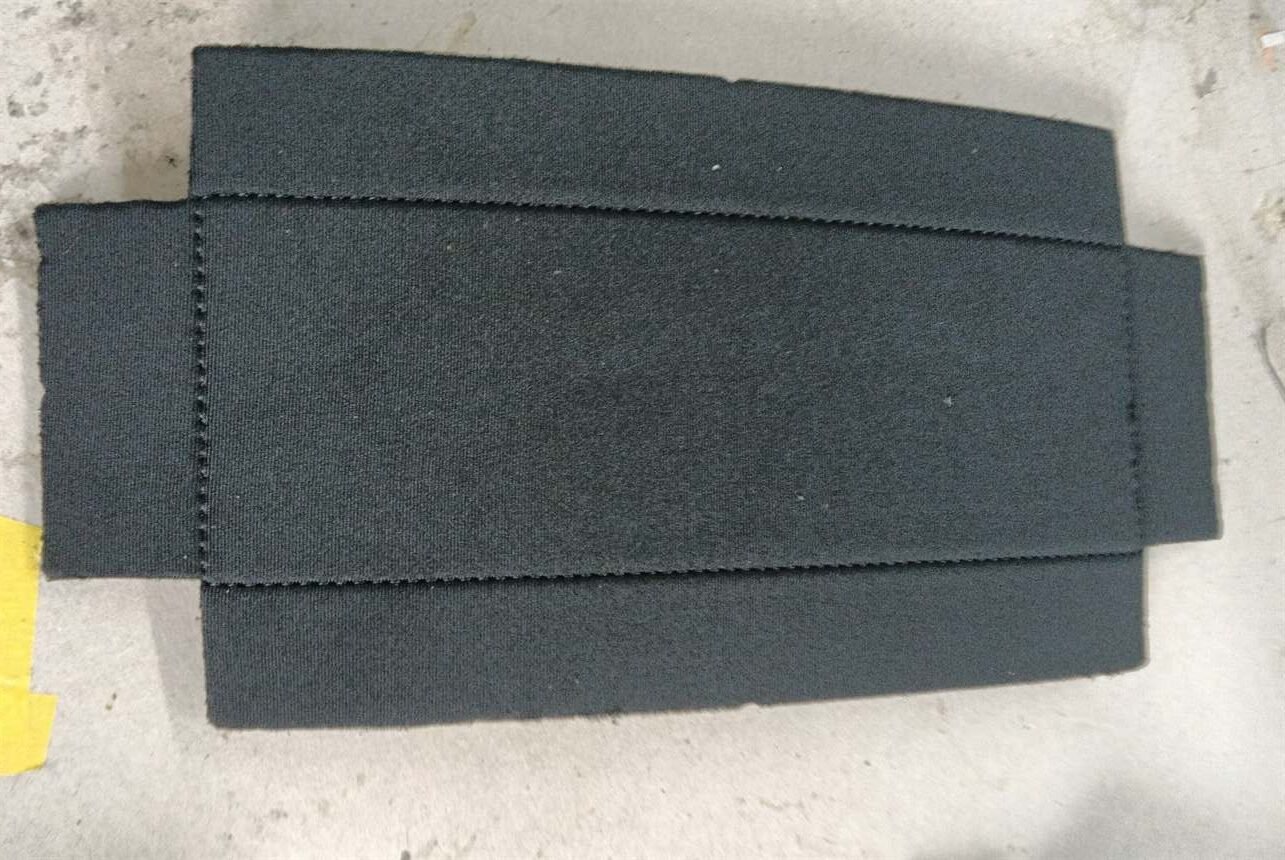
Factory evidence: R067 records EVA four-corner bonding work. It shows why corners and structure are important in any case type, including semi-rigid EVA cases. A buyer should ask how the factory handles corners, openings and stress points, not only what the outside material is called. Evidence ID: MFG-QC-001.
Use Scenario: Which One Should You Choose?
Use a hard case when the risk is external force. This includes air freight, tool trucks, outdoor service kits, rental kits and high-value packages that may be stacked or handled roughly.
Use a soft-formed case when the risk is daily carry. This includes creator backpacks, product bundles, retail accessory kits, travel pouches and cases that need a premium feel in hand.
Use a hybrid construction when both matter. A soft-formed case can add local reinforcement around corners, lens zones or closure areas. A fabric or PU surface can be combined with structured panels and a softer lining. This gives a better retail feel without making the whole product bulky.
For OEM work, the buyer should send the device, target retail price, use scenario and sales channel. A factory can then recommend whether the product should be a rigid hard case, a soft case, a soft-formed shell, an EVA body or a hybrid construction.
For a product manager, the simplest filter is the sales promise. If the product page needs to promise rugged transport, choose a hard case and make the insert match that promise. If the page needs to promise slim protection, better touch and daily use, a soft-formed or hybrid case is usually easier to position.
What About Water Protection?
Full waterproof wording is risky unless the complete case has been tested to a defined standard. A water-resistant fabric, zipper or surface treatment does not automatically make the whole case waterproof.
If water protection matters, ask the factory what has been tested:
- Outer material water resistance.
- Zipper or closure resistance.
- Seams, openings and stitch lines.
- Whole-case test method.
- Approved wording for the target market.
Without confirmed whole-case testing, the safer wording is water-resistant, splash-resistant or helps resist splashes, depending on the project evidence. This protects both the buyer and the manufacturer from overclaiming.
FAQ: Rank Math FAQ
Is a soft case enough to protect a camera?
A soft case can protect a camera for daily carry when it has close fit, suitable padding and a lining that prevents internal movement. For crush risk, freight or heavy field kits, a hard case is usually safer.
Soft case vs hard case, which is better?
Soft cases are better for lighter carry, premium feel and fitted retail products. Hard cases are better for rigid protection and rough transport. The better choice depends on how the camera travels and how the case will be sold.
Are soft-formed cases waterproof?
Soft-formed cases should not be called waterproof unless the finished case passes a confirmed whole-case test. Depending on material and construction, some projects may support water-resistant or splash-resistant wording after business review.
Which camera case type is lighter?
A soft case is usually lighter than a hard case because it uses flexible layers, fabric, lining or formed panels instead of a fully rigid shell. Weight still depends on size, insert design, hardware and reinforcement.
Can you make a soft case for a specific camera model?
Yes. A soft-formed or hybrid soft case can be developed around a specific camera model, with fit, lining, closure and accessory space reviewed against the real device or approved sample