A precision-fit camera case is built around one device model, while a universal case is built around a size range. Precision-fit usually wins for protection, appearance and retail value. Universal cases still make sense for early testing, long-tail devices and low-risk accessory bundles where speed and cost matter more than exact fit.
Quick Answer: Precision-Fit vs Universal Case
| Factor | Precision-Fit Case | Universal Case |
|---|---|---|
| Device Fit | Built for one model or narrow model family | Fits a broad size range |
| Protection | Reduces internal movement and supports fragile zones | Depends more on padding and user adjustment |
| Appearance | Looks device-specific and premium | Looks general-purpose |
| Retail Price | Easier to position as a higher-value accessory | Usually price-sensitive |
| Development Cost | Higher because structure and fit need development | Lower because the shell can be reused |
| Speed to Market | Fast if factory has device and clear launch priority | Very fast for generic categories |
| Good For | Flagship camera, new creator device, branded OEM line | Early demand test, mixed gear kit, rare model |
What Is a Precision-Fit Case?
A precision-fit case is designed around the shape, lens position, buttons, screen, charging port and accessory zones of a specific camera or device. For example, a case compatible with a certain action camera or handheld creator camera should hold that model without forcing the user to guess which way it goes in.
The value is not only visual. A device-specific case limits movement. When the camera cannot shift inside the shell, the case has a better chance of protecting lens edges, screens and corners during daily carry.
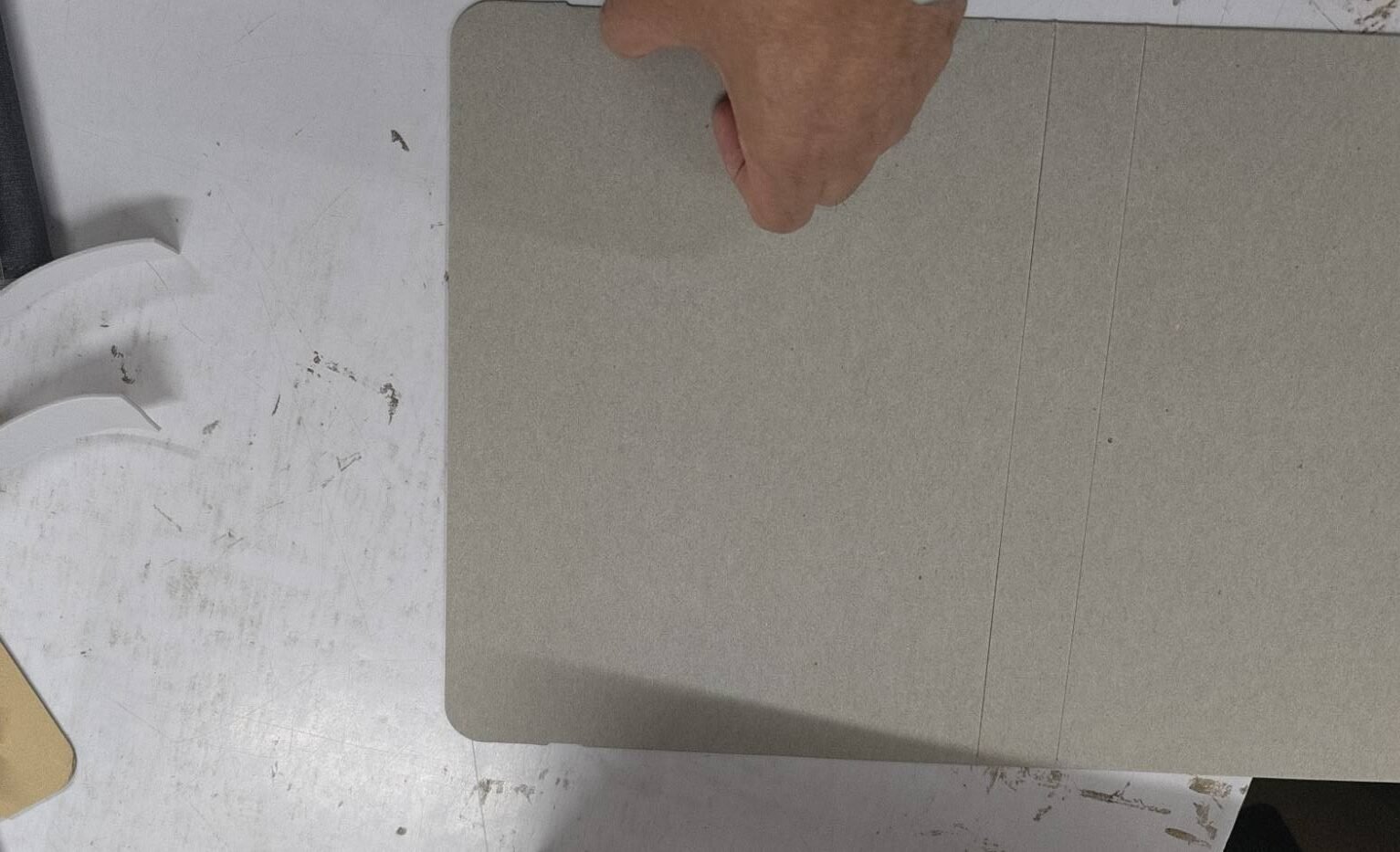
Precision fit can come from several structures: a soft-formed shell, a shaped insert, a molded EVA body, or a hybrid case with formed panels and sewn details. The right method depends on the product tier and the launch window.
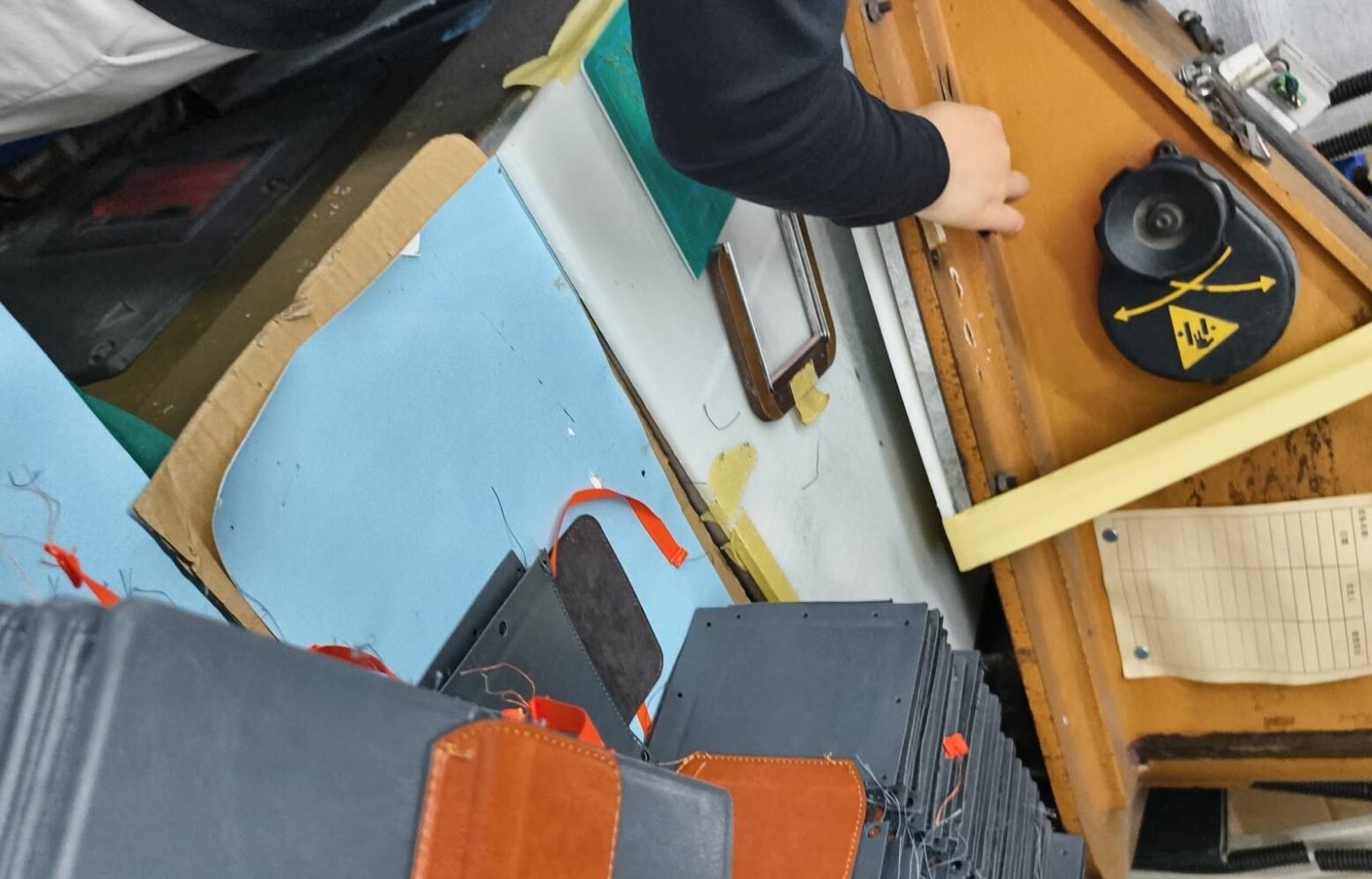
Factory evidence: R012 records finished case correction work, and R033 records positioning work for shaped panel development. These production records show that a fitted case needs adjustment and confirmation before batch production. Evidence IDs: MFG-FORM-001, MFG-QC-001.
What Is a Universal Camera Case?
A universal case is built to cover a size range. Instead of following one camera model, it relies on general padding, dividers, elastic, pockets or adjustable space.
Universal designs are useful when:
- The buyer wants to test demand before investing in a model-specific case.
- The device category changes quickly and the seller needs a temporary product.
- The case is used for mixed accessories rather than one camera.
- The target price is low and shoppers accept a general fit.
- The model is too rare to support dedicated tooling.
The trade-off is positioning. A universal case may protect well enough for casual use, but it rarely feels like a product made for that exact device. For branded lines, that perception affects price, reviews and repeat orders.
Why Fit Affects Protection and Perceived Value
Protection is partly about shock absorption, but it is also about controlling movement.
If the camera sits loosely inside a universal pouch, the device can shift toward the zipper, hit a corner, or rub against accessories. More padding can help, but it does not solve every fit problem. A precision-fit layout can protect by placing support where the device actually needs it.
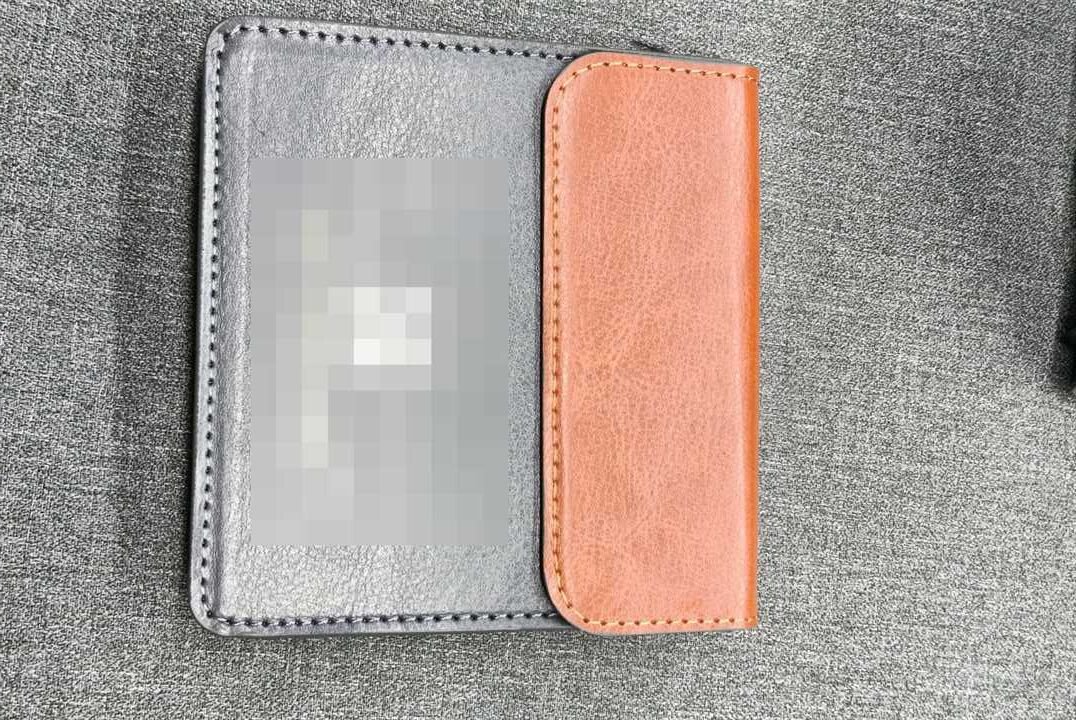
Fit also affects how the buyer judges quality. A camera that drops neatly into its own cavity feels intentional. The case looks easier to sell in product photos because the shape, openings and interior layout all tell the same story: this was made for the device.
For OEM buyers, this difference becomes commercial. A precision-fit case can support a higher retail price and a stronger product page. A universal case competes more directly on price.
When Universal Is the Smarter Choice
Precision-fit is not always the right first move.
If you are launching into a new category and do not know demand yet, universal can be a controlled test. It lets you validate traffic, price point and accessory bundle before paying for model-specific development.
Universal also works when the use case is storage rather than display. A creator carrying cables, mounts, batteries and mixed devices may prefer a flexible organizer. In that situation, adjustable dividers can matter more than a tight device cavity.
Universal is also useful for long-tail models. If the total volume is small, a dedicated structure may not pay back quickly.
The practical path for many sellers is to begin with a universal or semi-universal case, then develop a precision-fit version once a model proves demand.
OEM Decision Framework
Use a simple commercial filter before choosing precision-fit or universal.
If the product is tied to a named device model, the buyer expects the case to feel specific. This is common for creator cameras, handheld gimbal cameras, action cameras and drone controllers. In this situation, a universal case may look cheaper even when the material is acceptable. The better route is usually a precision-fit case, or at least a semi-fitted insert that clearly matches the device.
If the product is sold as a storage solution, universal may be stronger. A lens pouch, cable organizer or multi-accessory bag does not need to promise exact device geometry. It needs flexible space, clean dividers and a price point that makes sense for mixed gear.
If the product will be photographed for ecommerce, choose the option that makes the page easier to understand in one image. A fitted cavity, model-shaped shell or aligned opening can communicate value faster than paragraphs of copy. A universal pouch may need more lifestyle images and accessory layouts to prove why it is worth buying.
If the order is a first market test, start with lower risk. A universal or adjustable structure can validate the segment. Once a specific model brings repeat inquiries, move to a device-specific case and improve the retail position.
How to Develop a Device-Specific Case With a Factory
To move from idea to precision-fit case, give the factory the device and the sales target as early as possible.
Send:
- The exact device model, preferably a physical sample.
- Photos showing lens, screen, button and port locations.
- Required access points, such as charging while stored or quick-removal zones.
- Target case style: hard shell, soft case for camera, sling, pouch or fitted cover.
- Brand position and target retail price.
- Required accessories that must fit with the device.
- Target launch date and first order plan.
The factory should then confirm structure, fit, lining, closure, sample review and production inspection. R052 documents finished product inspection for visible quality, alignment and functional details. For fitted cases, these checks are important because a small alignment issue can make a device-specific case feel wrong. Evidence ID: MFG-QC-001.
Compliance note: use “compatible with [brand/model]” language for product pages and article links. Do not imply a confirmed brand relationship unless it is legally verified.
FAQ: Rank Math FAQ
Is a device-specific case worth it?
For flagship cameras, creator devices and branded accessory lines, yes. A device-specific case can reduce internal movement, look more premium and support a higher retail price. For early testing or rare models, a universal case may be enough.
Why do fitted cases cost more?
Fitted cases need more development work, closer shape control and fit checks against the actual device. The extra cost can be justified when the product needs premium positioning, better protection and stronger product-page visuals.
How fast can you develop a case for a new camera?
Mass Production Lead Time: Standard mass production lead time is approximately 25 days after sample approval and order confirmation.
What is the MOQ for a model-specific case?
The standard minimum order quantity (MOQ) for this product family is 1000 units per order.
Can you make cases for the latest Insta360, DJI or GoPro models?
ZHIJIANG can develop cases compatible with current creator camera, action camera, drone and gimbal camera models. Product copy should use “compatible with” language and should not claim an authorized brand relationship unless that relationship is confirmed.