Choose a drone case by matching the drone size, battery count, controller type, transport risk and field workflow. A soft drone bag works for light daily carry, a formed-insert case works for full kits, a hard case suits rough transport, and custom drone boxes make sense when a seller needs branded repeatable layouts.
Quick Answer: Drone Case Types Compared
| Type | Protection | Portability | Interior Layout | Good Fit For |
|---|---|---|---|---|
| Drone bag | Medium | High | Flexible dividers or pockets | Light local trips, creator kits |
| Formed-insert case | High | Medium | Dedicated cavities | Drone, batteries, controller and props |
| Hard drone case | Very high | Low to medium | Foam or molded insert | Freight, field teams, heavy kits |
| Custom drone boxes | Project-defined | Project-defined | OEM insert, logo, packaging | Brands, sellers and channel kits |
| Landing pad | On-site surface support | High | Not a storage case |
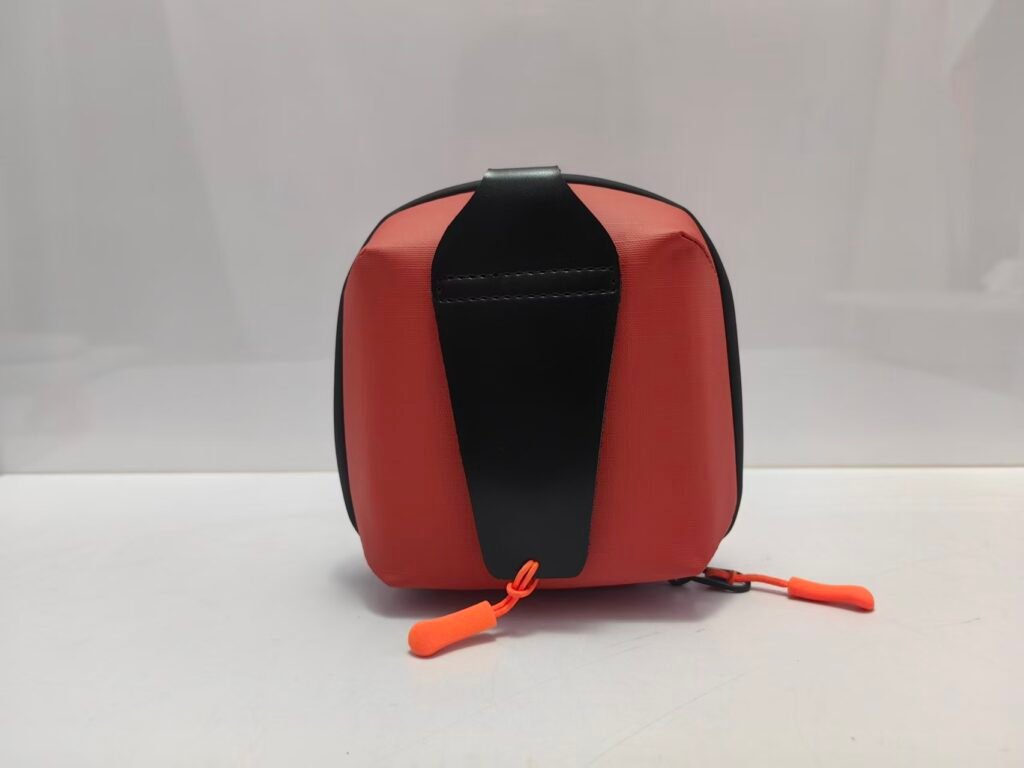
Match the Case to the Drone and Work Scenario
A small folding drone does not need the same case as a professional field kit. Start with the real workflow.
For light creator use, a drone bag may be enough. It should have enough padding, a stable compartment for the drone body and separate space for batteries, controller and cables.
For a full kit, a formed-insert case is usually stronger. Each item sits in its own cavity, so the drone body, gimbal, spare batteries, controller and props do not press against each other.
For freight or commercial field work, a hard drone case may be needed. It adds bulk, but it can handle rougher transport and heavier accessory loads.
For brands or sellers, the decision is not only protection. The case must photograph well, ship well and make the accessory bundle look organized.
This is why a drone case brief should include the sales channel. A service-team case can look more industrial and focus on durability. A retail accessory case needs a cleaner layout, better surface finish and images that show the full kit in one clear view.
What a Good Drone Insert Must Hold
The insert is the most important part of many drone case projects.
A useful drone carrying case layout should hold:
- Drone body.
- Controller or remote.
- Two or more batteries, depending on the kit.
- Spare props.
- Cables and charging accessories.
- Small tools, memory cards or filters if required.
The layout should protect fragile zones. The gimbal area should not carry pressure from another accessory. Batteries should not rub against the drone body. Cables should not sit where they can scratch a screen or lens cover.
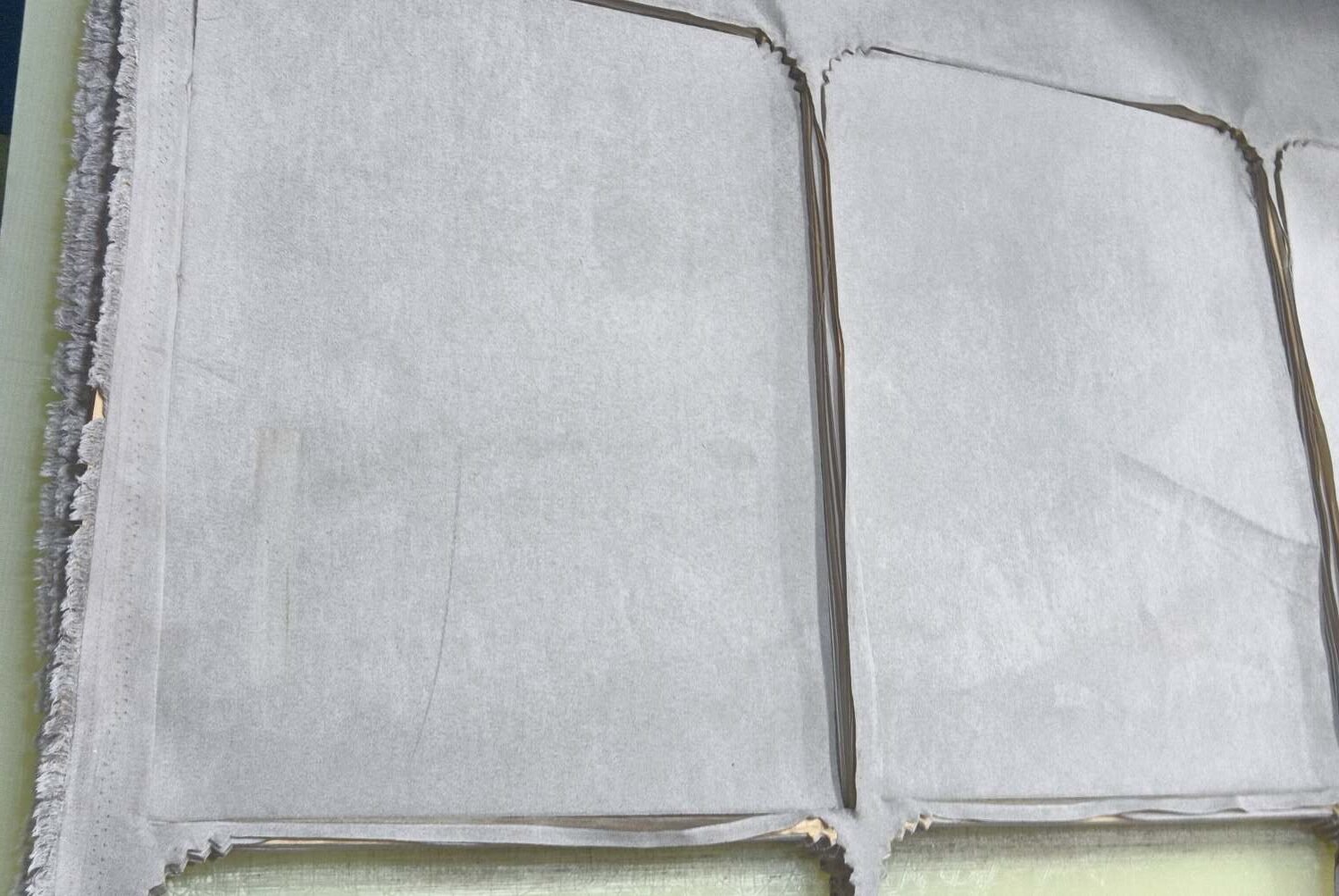
Factory evidence: R080 records a stitched divider structure inside an organizer, and R105 records material cutting precision for case panels. For a drone case, these two details matter because the interior layout has to match the shell and stay repeatable across the batch. Evidence IDs: MFG-STITCH-001, MFG-QC-001.
Drone Bag, Formed Case or Hard Case?
Use a drone bag when portability is the priority. It is suitable for short trips, light kits and buyers who carry multiple accessories in one shoulder bag or backpack.
Use a formed case when the kit needs a cleaner retail layout. The drone, batteries and controller can be shown in dedicated positions. This helps product photos and reduces movement during carry.
Use a hard case when the transport risk is higher than the daily-carry burden. If the kit may be stacked, checked, shipped repeatedly or used by a team, the extra bulk can be justified.
Use custom drone boxes when the product line needs repeatability. A seller may want one layout for a specific drone class, a private-label exterior, a printed insert guide, matching packaging and a consistent shelf presentation.
For a factory quote, this distinction saves time. “Drone bag” usually points to sewn construction and flexible compartments. “Custom drone boxes” usually points to a more structured shell and insert layout. “Landing pad” is a field accessory, so it should be quoted as a separate item unless it is part of a complete kit.
Where Landing Pads Fit In
A drone landing pad is not a storage case. It is a field accessory that creates a clear takeoff and landing surface. It can help keep dust, grit and uneven ground away from the drone during field use.
For channel buyers, a landing pad can also be part of a branded drone kit. The pad may carry colors, orientation marks or buyer-supplied graphics, depending on the approved artwork and material.
ZHIJIANG has a product page for custom drone landing pads, but the current public 36-image article list does not include a dedicated landing pad photo for this blog image pack. That is why this article uses real case construction images and marks the landing pad image as a manual supplement item.
How to Spec Custom Drone Boxes
Before asking a factory for custom drone boxes, prepare a short technical brief.
Send the factory:
- Drone model or size class.
- Physical sample if available.
- Battery count and controller type.
- Accessory list.
- Preferred outer style: drone bag, formed case, hard case or hybrid case.
- Branding position and logo artwork.
- Target quantity and sales channel.
- Packaging requirement and launch date.
The factory should then propose the interior layout, material direction, sample plan and production checking points. R150 records interior case assembly work, which is a useful reminder that layout is not only a drawing. The insert, lining, zipper path and shell must all work together. Evidence ID: MFG-QC-001.

OEM Decision Checklist
| Question | Why It Matters |
|---|---|
| Is the drone sold as a single model or a size class? | Decides device-specific vs universal layout |
| How many batteries are included? | Battery count changes cavity spacing and case depth |
| Is the controller full-size or compact? | Controller shape often drives the case footprint |
| Does the kit need field accessories? | Landing pad, tools and props need separate storage |
| Will the case be shipped as a bundle? | Packaging and drop risk affect structure |
| Is the product for retail or B2B service teams? | Retail needs better presentation; field teams need durability |
FAQ: Rank Math FAQ
What case do I need for my drone?
You need a drone case that matches the drone size, controller, battery count and travel risk. A drone bag works for light carry, a formed-insert case works for full kits, and a hard case works for rough transport.
Do you make custom drone cases?
ZHIJIANG can develop custom drone boxes, drone bags, formed inserts and selected field accessories according to the project brief. The layout should be reviewed against the drone model, accessories, packaging and order plan.
Can you fit batteries and controller in one case?
Yes, a custom insert or divider layout can hold the drone body, batteries, controller and props in one case. The factory needs the real kit list and inner case dimensions to avoid loose or crowded cavities.
What is a landing pad for?
A drone landing pad creates a defined takeoff and landing surface for field use. It is not a storage case, but it can be bundled with drone cases or accessory kits for branded channel programs.
What is the MOQ for custom drone boxes?
The standard minimum order quantity (MOQ) for this product family is 1000 units per order.