A device-specific camera case is usually more suitable when fit, access and product presentation matter more than SKU flexibility. A universal case is useful when one structure must serve several devices or changing kits. The choice depends on the device range, user handling, sales channel, accessory mix, development budget and expected repeat orders.
This guide helps buyers decide whether to name a case as compatible with one device or develop a more flexible universal organizer.
Quick Answer
| Case direction | Strength | Trade-off |
|---|---|---|
| Device-specific | Controlled fit and clear product positioning | More model-specific development |
| Universal | Wider device coverage and fewer core SKUs | More movement or compromise in fit |
| Adjustable insert | Flexible layout inside one shell | Requires clear adjustment and retention rules |
| Hybrid | Fixed protection plus open accessory space | More layout decisions during sampling |
What Precision Fit Means
Precision fit means the case is developed around a defined device or kit. The buyer identifies the body, lens, grip, screen, buttons, ports, no-contact zones and accessory set. The result should make installation, removal and daily access predictable.
When naming a product page, use Compatible with [device] only after the final device and fit are confirmed. Do not imply official brand authorization. A model name in a brief is not the same as an approved compatibility result.
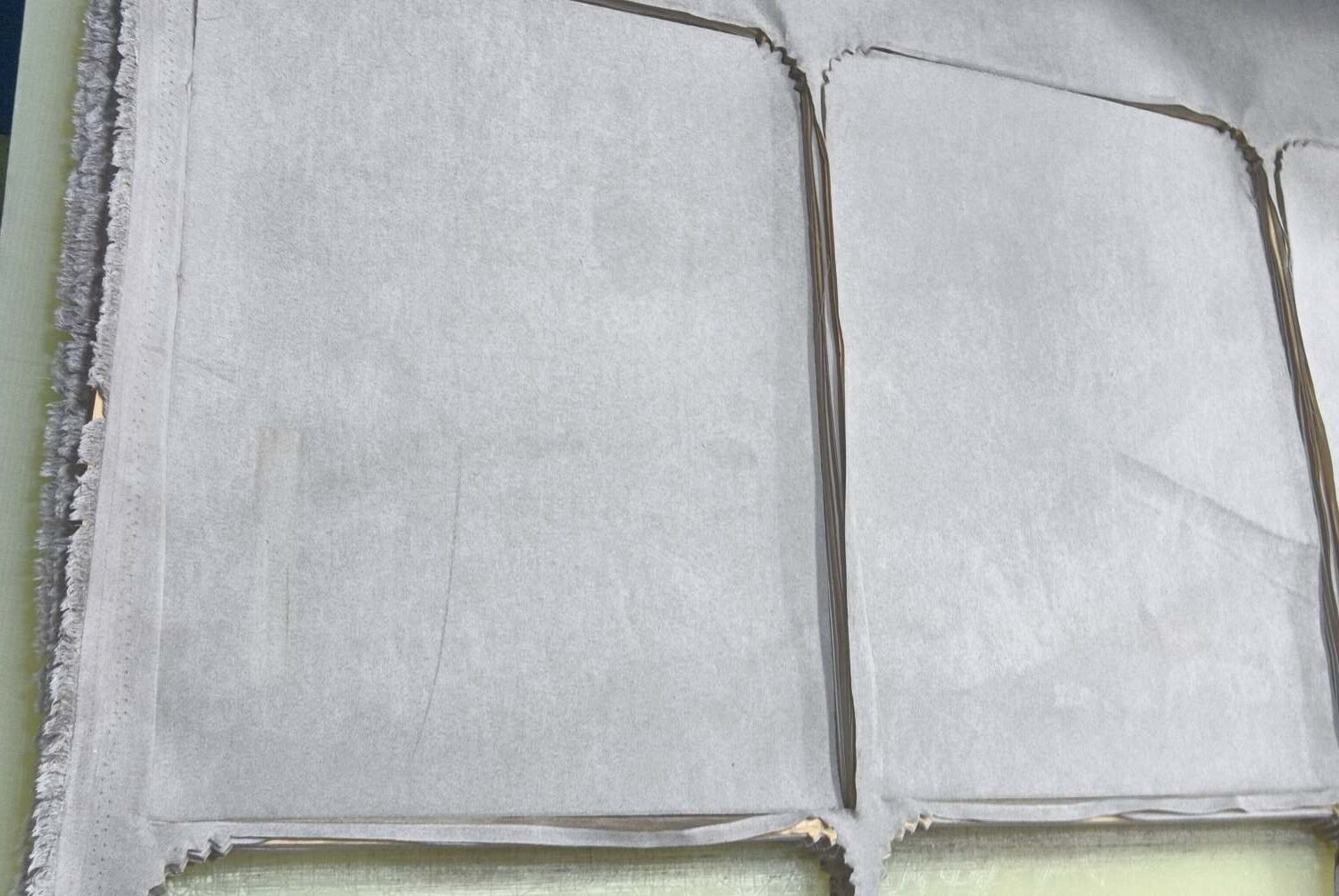
R105 records precision material cutting. This is relevant because small panel or cavity differences can change how a device sits in the case. Evidence ID: MFG-QC-001, status REVIEW.
What a Universal Case Does Well
A universal case can reduce the number of core structures a buyer needs. It may use adjustable dividers, elastic retention, flexible pockets or a larger open cavity. This works when the users carry different devices or when the accessory mix changes frequently.
The trade-off is that flexibility must not become uncontrolled movement. Define the smallest and largest intended device, the adjustment range, contact surfaces, hard-accessory separation and closure clearance. If the universal case is too open, the camera can shift into a zipper, divider or hard accessory.
Compare Fit, SKU and User Experience
Choose a device-specific route when:
- The device has a distinctive lens, grip, screen or control layout.
- The brand wants a clear model-specific product page.
- The kit list is stable and the case must look highly organized.
- Access and no-contact zones are critical.
Choose a universal route when:
- The target market uses several devices.
- The buyer wants fewer base structures.
- The bag is expected to change with the user’s kit.
- Adjustable dividers are part of the product value.
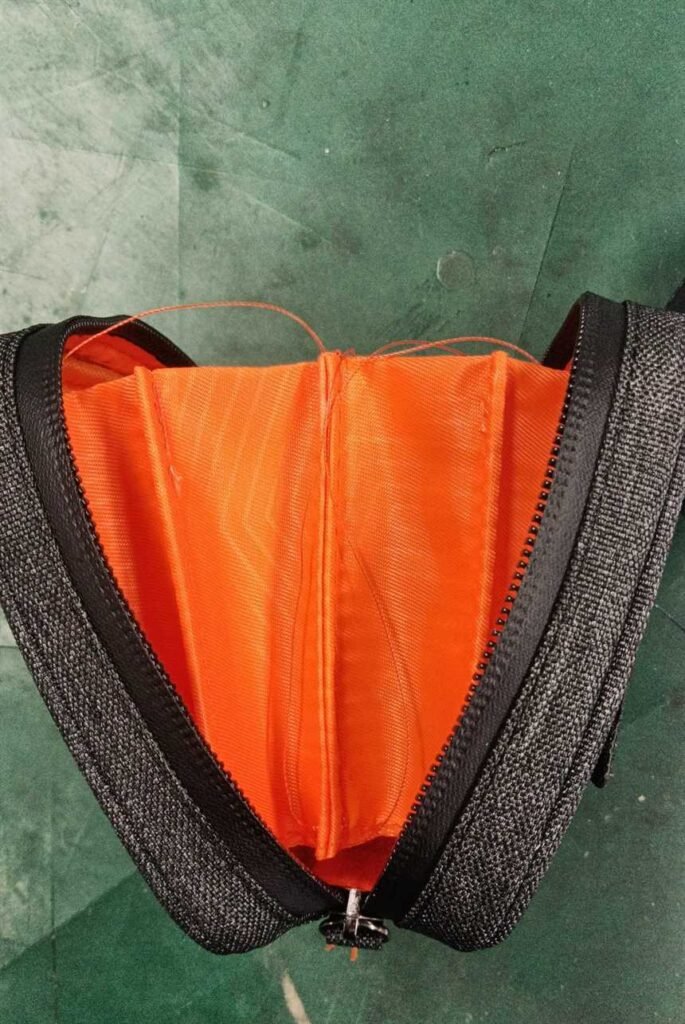
R080 records divider stitching inside an organizer. It is a practical reference for flexible interior construction. Evidence ID: MFG-STITCH-001, status REVIEW.
Development Inputs for Either Route
Send device samples, measured drawings, accessory lists, case inner dimensions, opening direction, preferred fit, logo artwork and quantity assumptions. For a universal case, provide the intended device range and a physical sample at both ends of that range if possible.
The sample must be tested with real devices. Check installation, removal, movement when carried, closure operation, pressure on controls, cavity order and accessory separation. Approve the smallest and largest intended configuration, not only the easiest sample.
QC and Product Naming
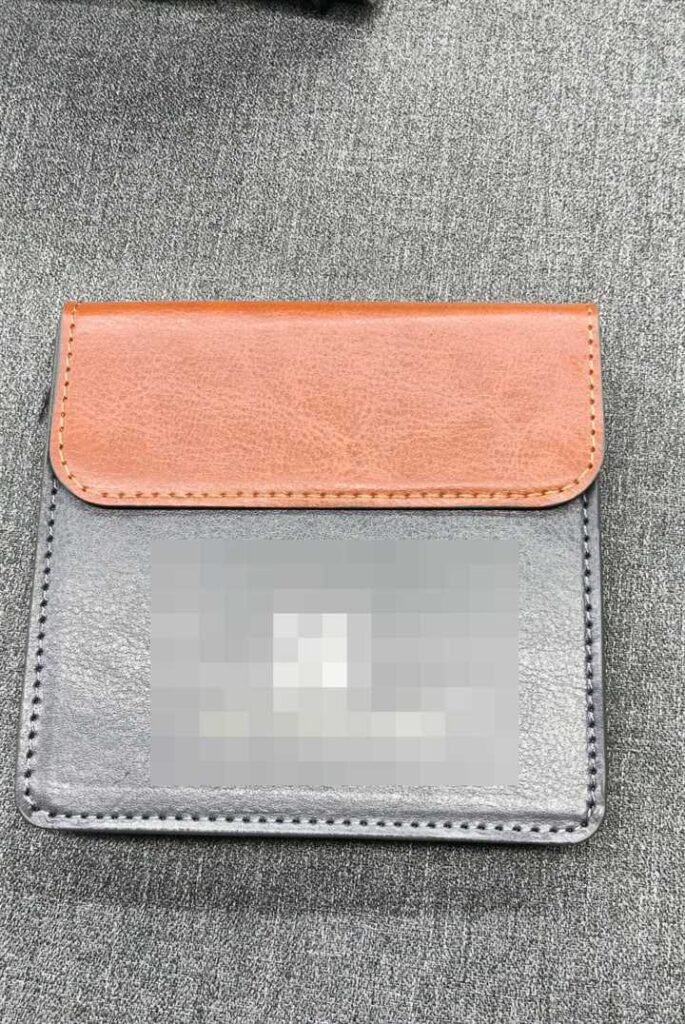
The approval file should state the compatible device or intended range, fit tolerance at the buyer-approved level, materials, artwork, packaging and inspection points. Finished products are described in the evidence index as checked for alignment, assembly and visible defects before packing. Evidence ID: MFG-QC-001, status REVIEW.
FAQ – Use Rank Math FAQ Block
What is the difference between a precision-fit and universal case?
A precision-fit case is developed around a defined device or kit, while a universal case serves a device range through open space or adjustable organization.
How do I choose a custom camera case structure?
Choose the structure from the device kit, fit requirement, hand feel, carry condition, retail position, quantity and required repeatability.
What should I send to a camera case manufacturer?
Send device samples or drawings, accessory list, case dimensions, layout, material direction, logo artwork, packaging requirements and target quantity.
How many samples are needed for a custom case?
The number of samples required depends on the customer’s material, dimensions, construction, branding and testing requirements. We review the project specifications first and then confirm the appropriate sample quantity for fit, appearance and functional verification before mass production.
What is the MOQ for custom camera cases?
The standard minimum order quantity (MOQ) for this product family is 1000 units per order.
Can ZHIJIANG support private-label case development?
ZHIJIANG can discuss compatible case structures, inserts, branding and packaging as an independent OEM/ODM manufacturer, subject to project confirmation.
