There is no responsible single price for a custom camera case before the structure, device kit, materials, quantity, packaging and quality requirements are defined. Cost usually reflects development work, materials, labor, tooling or cutting method, branding, packaging, inspection and shipping assumptions. MOQ and sampling rules depend on the same project variables.
This guide shows buyers how to request a comparable quotation without inventing a number that the factory has not confirmed.
Quick Answer
| Cost question | What drives it | What to request |
|---|---|---|
| Unit price | Structure, materials, labor, quantity and packing | Quote assumptions and exclusions |
| MOQ | Material, process, setup, packaging and production plan | MOQ by structure and order stage |
| Sample cost | Hand work, cutting, forming, logo and revisions | Sample scope and revision rules |
| Tooling cost | Formed parts, dedicated fixtures or repeatability needs | Ownership, reuse and change policy |
| Lead time | Brief, samples, approval, materials and production load | Milestones, not one vague date |
The Main Camera Case Cost Drivers
The outer silhouette is only one part of cost. A case with a shaped panel, a fixed insert, several accessory pockets and a branded package requires more development than a simple pouch. A precise device fit can require more sample work because each no-contact zone must be validated.
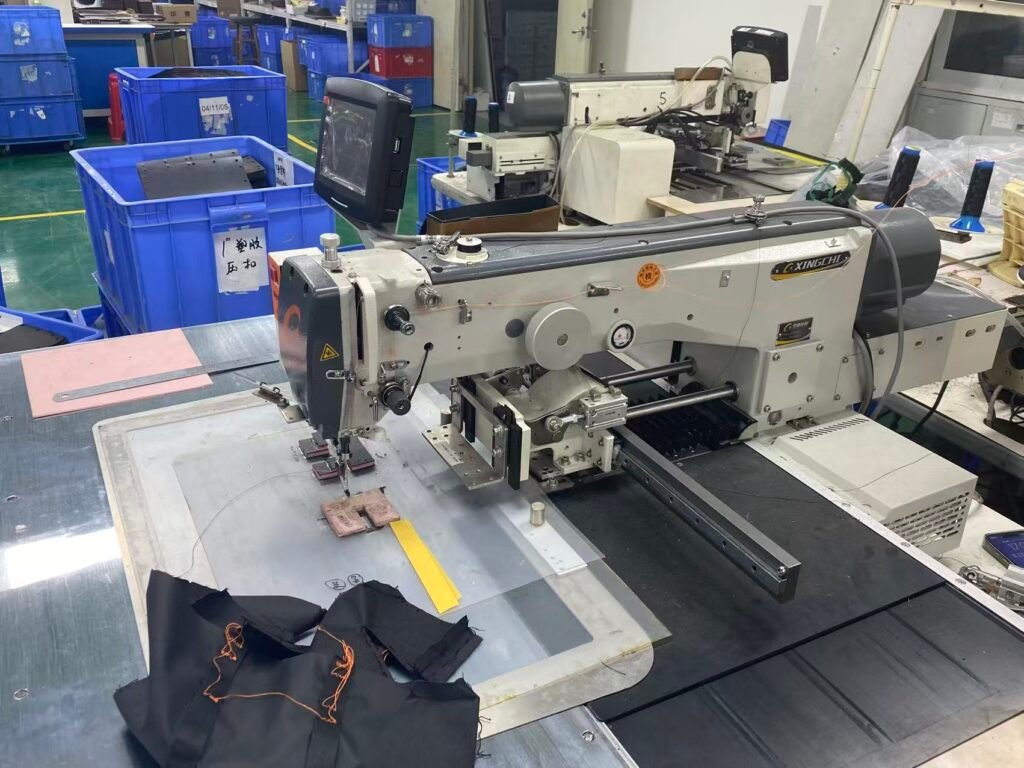
Materials also affect the cost structure. Consider the shell, liner, padding, zipper, hardware, divider, label and packaging together. A material that looks inexpensive on a swatch can need extra preparation, edge treatment or handling during assembly.
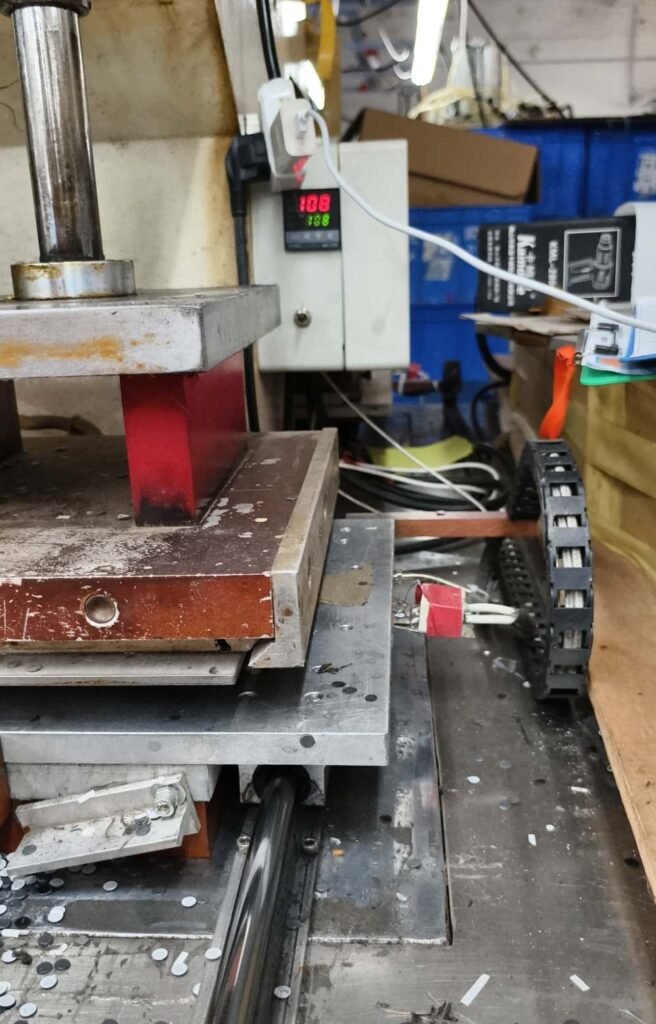
R011 and R105 are public process references for forming and material cutting. They illustrate why construction route and panel preparation should be named in a quote. Evidence IDs: MFG-FORM-001 and MFG-QC-001, status REVIEW.
How MOQ Is Usually Shaped
MOQ is not only a factory preference. It can be influenced by material purchase units, color or surface options, setup time, packaging quantities, logo method, tooling and whether the project uses a stable production structure.
Ask for MOQ by product structure and order stage. A hand-built prototype, a small pilot and a repeat production order may have different commercial conditions. If the buyer changes color, device layout, accessory list or packaging, confirm whether the original MOQ and price still apply.
Sampling: What the Buyer Is Paying to Learn
A sample should answer a business question. One sample may test cavity fit. Another may test material hand feel, logo appearance or packing. The buyer should ask what the sample includes, what it does not represent and how many revision rounds are included.
Use real camera bodies, lenses and accessories whenever possible. Check installation, removal, closure, surface, edge coverage, pocket order, label position and packaging. A sample that looks right in a photo may still fail when the device is inserted or when the zipper moves past a corner.
How to Compare Two Quotes
Put the quotes into the same checklist:
- Product structure and material description.
- Device and accessory assumptions.
- Sample scope and revision limit.
- Tooling, fixtures or development charges.
- Logo, labels and packaging.
- Inspection plan and rework responsibility.
- Shipping term, carton assumptions and payment terms.
- Validity period and change conditions.
Do not choose from unit price alone. A quote with a lower number may exclude packaging, tooling, sampling, inspection or accessory cavities. A quote with a higher number may include more development work. The buyer needs comparable assumptions before comparing suppliers.
QC and Production Release
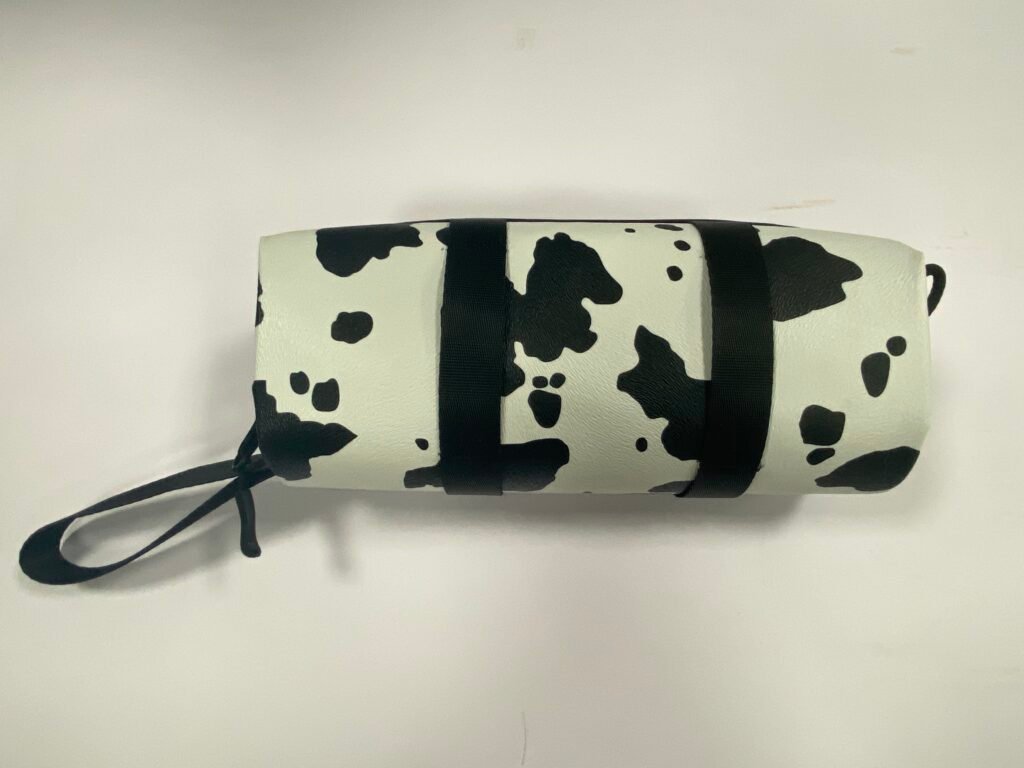
Before production, approve the physical sample, artwork, packing instruction and inspection points. R052 records finished-case inspection before packing in the public image list. Evidence ID: MFG-QC-001, status REVIEW.
FAQ – Use Rank Math FAQ Block
What affects custom camera case cost?
Cost is affected by structure, materials, device fit, quantity, tooling, logo, packaging, inspection, shipping assumptions and required development work.
How do I choose a custom camera case structure?
Choose the structure from the device kit, fit requirement, hand feel, carry condition, retail position, quantity and required repeatability.
What should I send to a camera case manufacturer?
Send device samples or drawings, accessory list, case dimensions, layout, material direction, logo artwork, packaging requirements and target quantity.
How many samples are needed for a custom case?
The number of samples required depends on the customer’s material, dimensions, construction, branding and testing requirements. We review the project specifications first and then confirm the appropriate sample quantity for fit, appearance and functional verification before mass production.
What is the MOQ for custom camera cases?
The standard minimum order quantity (MOQ) for this product family is 1000 units per order.
Can ZHIJIANG support private-label case development?
ZHIJIANG can discuss compatible case structures, inserts, branding and packaging as an independent OEM/ODM manufacturer, subject to project confirmation.
