A successful custom camera case OEM or ODM project begins with a complete brief, a real device sample, clear ownership of artwork and an agreed approval process. OEM and ODM are not only price labels; they describe how much of the product structure, branding, tooling and documentation the buyer expects the factory to develop or follow.
This buyer’s guide turns the request into a workable project: define the product, choose the development route, validate the sample, set QC points and prepare for repeat orders.
Quick Answer
| Project area | Buyer should define | Factory should return |
|---|---|---|
| Scope | Existing reference or new structure | Development route and assumptions |
| Fit | Device samples, measurements and clear zones | Layout or pattern direction |
| Brand | Logo artwork, colors and packaging | Artwork proof and sample placement |
| Quality | Critical, major and minor defects | Inspection points and records |
| Commercials | Quantity, target market and timing | Quote with exclusions and milestones |
OEM, ODM and Private Label: What Changes?
OEM usually means the buyer supplies a defined product requirement and the factory manufactures to the approved specification. ODM can involve the factory proposing more of the structure or development route. Private label focuses on selling the approved product under the buyer’s brand, with agreed logo, label and packaging.
The terms vary by supplier, so the quotation should state the actual scope. Ask who owns the drawing, artwork, tooling, approved sample and future changes. Confirm whether the buyer may reuse the structure, whether a reference design is supplied by the buyer, and what is included in each development stage.
Build a Complete OEM Brief
Include the camera and accessory list, device samples or drawings, case format, inner and outer dimensions, opening, lining, padding, logo, packaging, target quantity and market. Mark no-contact areas around lenses, screens, buttons, ports and controls.
For a private-label case, send vector artwork and a placement drawing. A low-resolution logo screenshot is not enough to control size, color or spacing. Packaging should be planned with the case because the retail box, insert card, barcode and carton mark can affect the finished size.
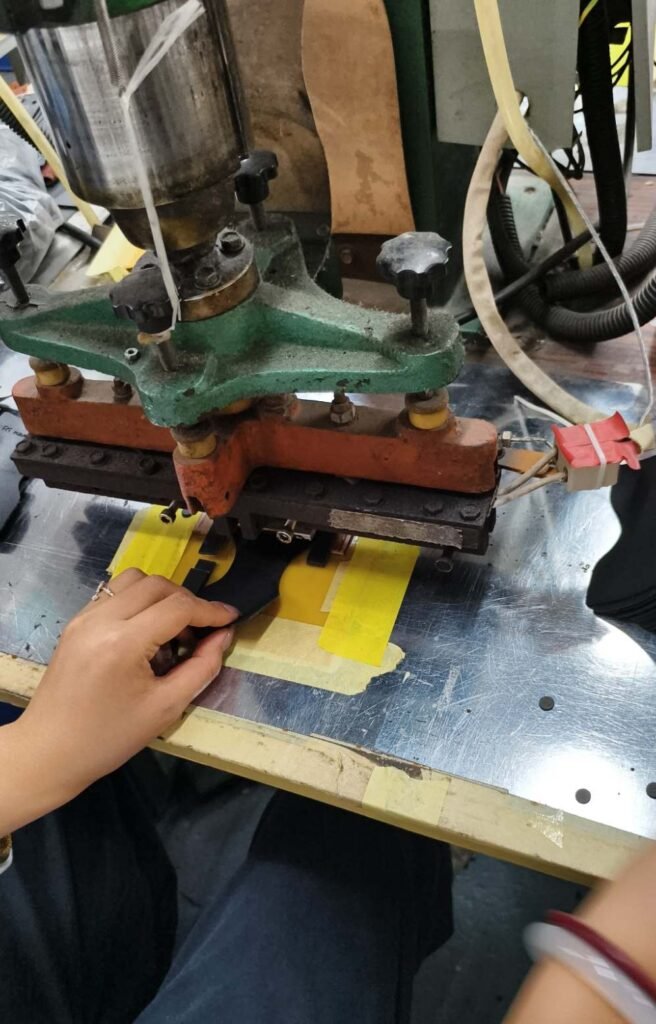
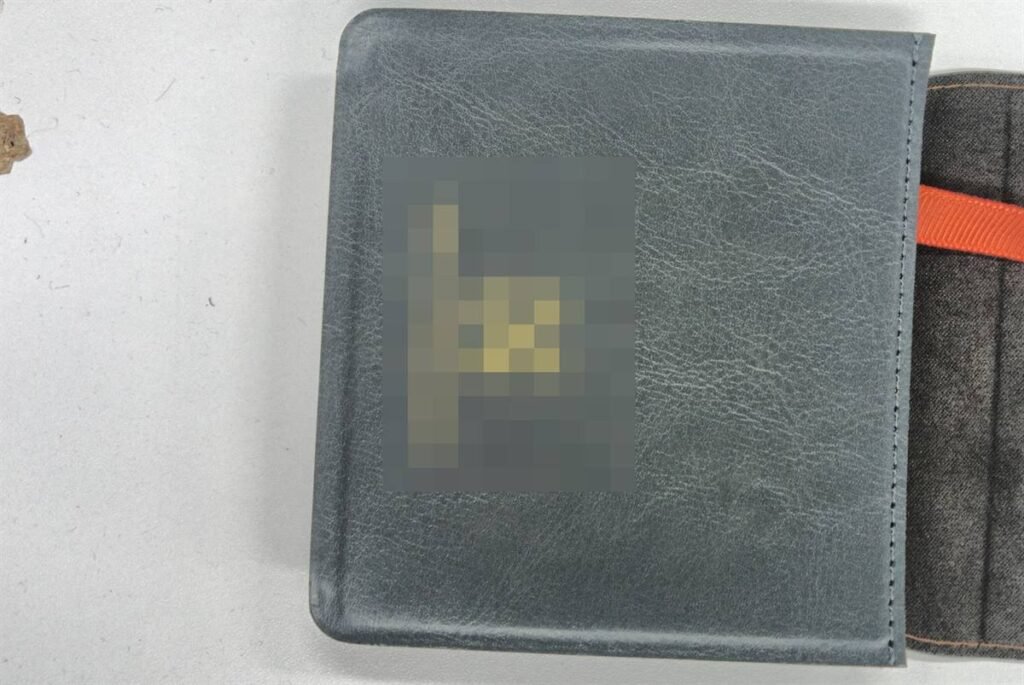
R004 and R006 are public image references for logo and foil processes. They can illustrate branding discussions, but each project still needs a physical artwork proof. Evidence status for public manufacturing claims: REVIEW.
Assess Factory Capability Without Overclaiming
Ask the factory to explain its sample path, device-fit method, material approval, process controls, inspection and packing. Request clear examples of how it handles a change in device, logo, accessory list or packaging. The goal is not to collect generic promises; it is to see whether the supplier can convert your brief into controlled documents and physical samples.
Production records reference precision stitching and finished-product inspection. These are useful capability topics, but the evidence index lists MFG-STITCH-001 and MFG-QC-001 as REVIEW. Do not publish them as certified claims until the required internal approvals are complete.
Sample, Approval and Change Control
Approve fit, function, appearance and packing separately. Check the real camera and accessories, not only a flat photograph. Confirm installation and removal, cavity order, zipper or closure clearance, edge finish, logo position, lining cleanliness and package protection.
Record changes with a drawing revision or sample note. “Make it tighter” should become a marked area and an agreed fit result. If the device or accessory list changes, assess whether the approved sample remains valid.
QC and Repeat Orders
Define what must remain consistent across the order: key fit areas, logo placement, visible color, stitch alignment, edge coverage, closure operation and packing. If a statistical plan is required, agree on the lot, defect classes, sampling method and acceptance rules. A simple visual check should not be called an AQL result without a project plan.
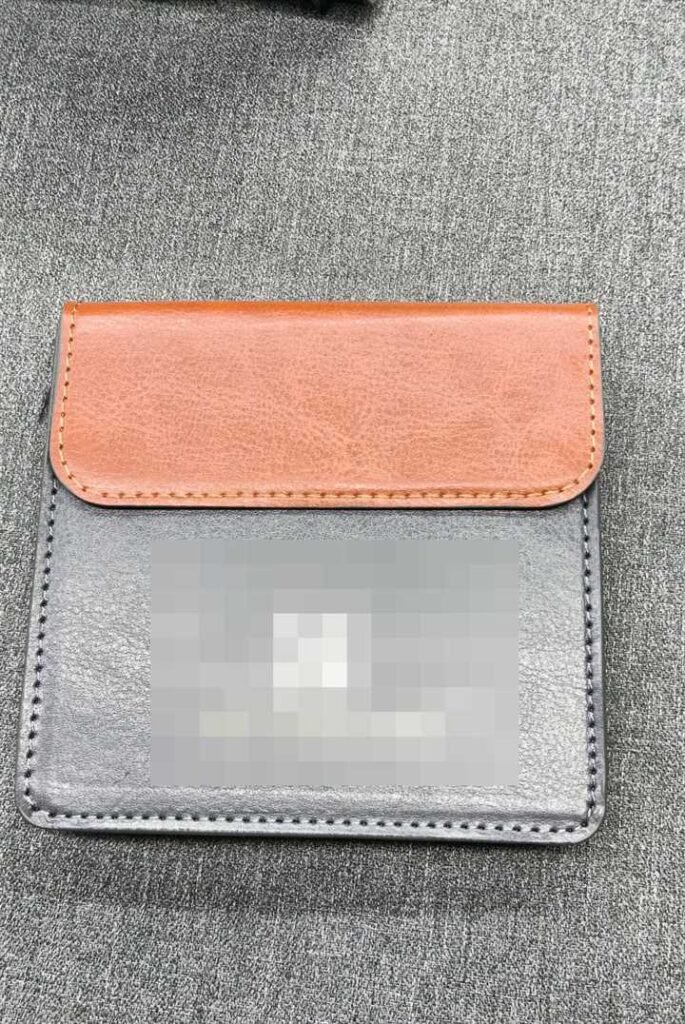
R052 records finished-case inspection before packing in the public image list. Evidence ID: MFG-QC-001, status REVIEW.
What to Ask for in the Quote
Ask for unit price assumptions, sample scope, tooling or development charges, packaging, inspection, shipping terms, payment terms, change fees and lead-time assumptions. When requesting a quotation, ask the supplier to specify the unit price and its assumptions, sample scope, tooling or development charges, packaging, inspection requirements, shipping terms, payment terms, revision fees and estimated lead times.
Our minimum order quantity (MOQ) is 1,000 units. Sample development typically takes approximately 20 days, depending on the customer’s material requirements, manufacturing processes and design complexity. The sampling schedule is confirmed after reviewing the project specifications. Mass-production lead time, payment terms and available material documentation or test reports are confirmed during quotation.
FAQ – Use Rank Math FAQ Block
What is the difference between camera case OEM and ODM?
OEM usually follows a buyer-defined specification, while ODM can include more factory-led structure or development. The quotation should define the actual scope.
How do I choose a custom camera case structure?
Choose the structure from the device kit, fit requirement, hand feel, carry condition, retail position, quantity and required repeatability.
What should I send to a camera case manufacturer?
Send device samples or drawings, accessory list, case dimensions, layout, material direction, logo artwork, packaging requirements and target quantity.
How many samples are needed for a custom case?
The number of samples required depends on the customer’s material, dimensions, construction, branding and testing requirements. We review the project specifications first and then confirm the appropriate sample quantity for fit, appearance and functional verification before mass production.
What is the MOQ for custom camera cases?
The standard minimum order quantity (MOQ) for this product family is 1000 units per order.
Can ZHIJIANG support private-label case development?
Can ZHIJIANG support private-label case development?
