A camera case material should be chosen by device value, carrying scenario, target price and the fit you need, not by thickness alone. EVA suits structured value cases, Multi-Layer Soft Forming suits slim premium shells, leather or PU adds a higher-end surface, fabric keeps bags light, and inner foam or lining controls how the device sits inside.
Quick Answer: Camera Case Material Comparison
| Material | Protection Style | Hand Feel | Weight | Cost Position | Good Fit For |
|---|---|---|---|---|---|
| EVA | Semi-rigid cushion and structure | Firm, practical | Medium | Low to mid | Hard shell camera case, organizer case, value protective case |
| Multi-Layer Soft Forming | Precise shape with flexible absorption | Soft, slim, premium | Light | Mid to high | Device-shaped camera case, creator gear case, premium OEM line |
| Leather / PU | Premium surface over a structural base | Smooth, giftable | Medium | Mid to high | Branded camera case, gift-tier accessory, lifestyle line |
| Fabric / Nylon | Flexible carry and abrasion resistance | Casual, lightweight | Light | Low to mid | Soft case for camera, pouch, sling bag, camera bag |
| Inner Foam / Lining | Holds the device and reduces movement | Soft inside | Light | Varies | Foam insert, divider, interior organizer |
EVA, Soft-Formed, Leather, Fabric and Hard Shell: What Changes?
Choosing a camera case material is really choosing a product position.
EVA is widely used for a hard shell camera case because it gives a molded structure at a controlled cost. It works well when the buyer wants visible protection, a firm hand feel and a repeatable case body for retail sets. EVA is not always elegant, but it is practical for organizers and entry-to-mid-level protective cases.
Multi-Layer Soft Forming is used when the case needs to follow the device shape more closely while keeping a softer surface and slimmer profile. Instead of depending only on bulk, the formed structure helps the shell hold its shape around the product. For premium camera accessories, this often feels more refined than a thick box-style case.
Leather and PU are usually surface materials rather than the whole protection system. They add brand value, texture and a gift-ready look, but the actual protection still depends on the inner structure, padding, adhesive balance, edge work and lining.
Fabric and nylon are natural choices for pouches, sleeves and camera bags. They are lighter, flexible and cost efficient, but they need careful padding and internal organization if the device is expensive or fragile.
Inner foam and lining decide whether the device can move inside the case. Even a strong shell performs poorly if the camera rattles inside it.
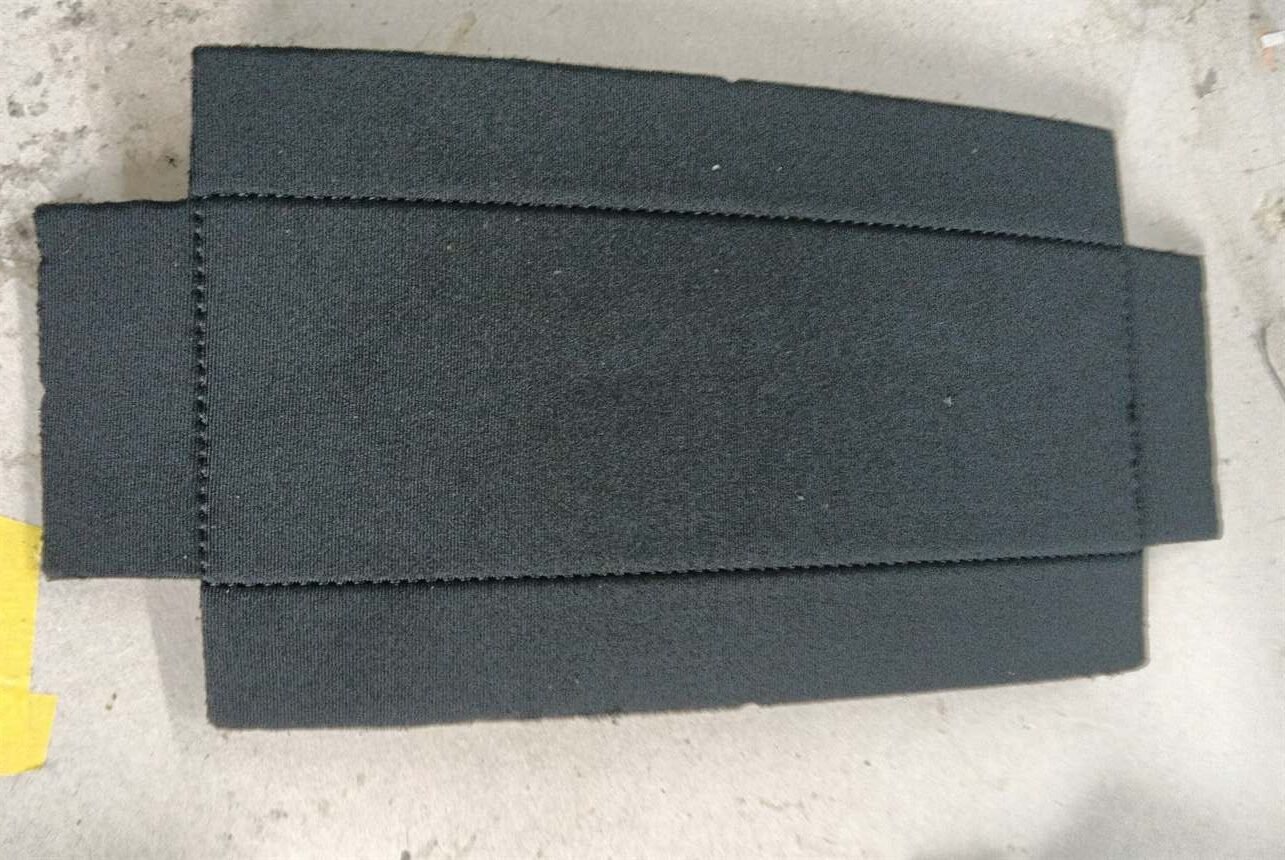
Factory evidence: in the production knowledge base, R036 documents material layer preparation before forming, and R067 documents EVA four-corner bonding work. These are useful reminders that material choice is not only a sales label; it becomes real through layer control, bonding, edge handling and inspection. Evidence IDs: MFG-FORM-001, MFG-QC-001.
Protection Is Not Just Thickness
Many buyers start with the question, “Which material is thick enough?” Thickness matters, but it is only one part of protection.
A loose thick case can still allow the camera to slide, hit the inner wall and damage the lens area. A thinner case with a closer fit, better interior support and stable corners can protect more predictably in daily carry. This is why camera case material selection should include three questions:
- Does the outer shell resist the normal pressure of shipping, backpacks and hand carry?
- Does the interior stop the camera from shifting?
- Do the corners, openings, zipper area and closure stay stable after repeated use?
For example, an EVA organizer may be the right choice for a lower-cost action camera kit with accessories. A soft-formed case may be better for a premium creator device where the buyer wants a slimmer case that feels made for that model. A fabric pouch may work for a simple camera sleeve, but it should not be positioned like a structural hard case unless the padding and insert design support that claim.
How to Match Material to Device Value and Sales Channel
Use the device and retail channel to narrow the choice.
For a high-value compact camera, action camera, handheld gimbal camera or premium camera accessory, a fitted case with Multi-Layer Soft Forming or a hybrid structure is usually easier to sell at a higher price. The buyer can see the difference: cleaner shape, more accurate openings and a more intentional hand feel.
For an entry-level camera kit or accessory bundle, EVA is often the practical answer. It creates a protective form without pushing the cost too high. It is also easier to explain in marketplace product photos because buyers immediately understand the “hard shell” look.
For lifestyle-focused lines, leather, PU or fabric can make the case feel closer to a fashion accessory. This route needs more attention to surface texture, stitching, edge finish and color consistency. If the outside looks premium but the inner fit is loose, the product will disappoint.
For multi-accessory storage, the inside may matter more than the outside. A camera case with a plain shell and a well-planned insert can outperform a beautiful shell with random empty space.
The Inside Material Matters as Much as the Shell
The interior is where many camera case projects succeed or fail. A buyer may ask for EVA, PU leather or fabric, but what the camera touches is often lining, foam, velvet, microfiber or a divider system.
A good inner design should do three things:
- Hold the camera without forcing the user to pry it out.
- Protect lens, screen and corners from direct rubbing.
- Separate accessories so batteries, mounts and cables do not scratch the device.
Factory evidence from R052 shows finished product inspection focused on visible defects, alignment, stitching, edge work and functional closure checks. For material selection, this means the final recommendation should include how the material will be inspected, not only what material is quoted. Evidence ID: MFG-QC-001.
OEM Recommendation Matrix
| Buyer Situation | Recommended Direction | Why |
|---|---|---|
| New premium camera accessory line | Multi-Layer Soft Forming with soft lining | Better fit, slimmer look and stronger perceived value |
| Price-sensitive marketplace SKU | EVA hard shell camera case | Clear protection message and controlled cost |
| Gift or lifestyle line | PU/leather surface over structured body | Better touch and brand presentation |
| Camera bag or sleeve | Fabric/nylon with padded divider | Lighter carry and flexible storage |
| Case already selected, fit is the problem | Custom insert or divider redesign | Reduces internal movement without changing the whole case |
If you are sourcing from a factory, send the device model, target retail price, expected carrying scenario, packaging requirement and any preferred surface material. The factory can then recommend whether the product should be EVA, soft-formed, fabric-based or a hybrid case.
FAQ: Rank Math FAQ
What material is best for a camera case?
There is no single best material for every camera case. EVA works for structured value cases, Multi-Layer Soft Forming works for premium fitted cases, fabric works for lightweight bags, and inner foam or lining controls how the device sits inside.
Is leather good for camera protection?
Leather or PU is useful as a premium surface material, but it should be supported by structure, padding and lining. The leather look can raise perceived value, while the real protection comes from the layers and fit underneath.
What is inside a protective camera case?
Most protective camera cases combine an outer shell, cushioning layer, soft lining and sometimes a custom insert or divider. The interior should stop the device from shifting and separate accessories that may scratch the camera.
What is the difference between EVA and foam?
EVA is often used as a semi-rigid molded shell material. Foam, in a case context, often refers to inner inserts, padding or dividers that cushion and position the device inside the outer case.
Can I mix materials in one custom camera case?
Yes. Many OEM camera cases use hybrid construction, such as a formed structure, a PU or fabric surface, an EVA or reinforced panel, and a soft inner lining. The right mix depends on price, fit and target user.