EVA is the better choice for rigid, lower-cost organizer cases, while soft-formed construction is better for slim, premium camera protection. EVA usually protects through thicker molded foam, often around 4-6 mm. A soft-formed case uses a thinner multi-layer structure, typically around 1.5-2.0 mm, to combine precise fit, flexible cushioning and a softer hand-feel.
Quick Answer: EVA vs Soft-Formed vs Rigid Shell
| Decision Factor | EVA Case | Soft-Formed Case | Rigid Shell Case |
|---|---|---|---|
| Typical feel | Firm, molded, utility-focused | Soft-touch, leather-like, premium | Hard, protective, industrial |
| Typical thickness | Around 4-6 mm | Around 1.5-2.0 mm | Varies by shell design |
| Protection logic | Bulk cushioning and molded shape | Close fit plus flexible multi-layer absorption | Hard barrier against compression |
| Best product tier | Entry to mid-range SKUs | Premium, flagship, gift-tier SKUs | Rugged transport and harsh storage |
| OEM positioning | Cost-efficient custom organizer | Brand-led device-specific case | Heavy-duty protective box |
| Buyer question | “How do we control unit cost?” | “How do we raise perceived value?” | “How do we maximize crush resistance?” |
For most camera accessory brands, the decision is not simply “which material is stronger.” It is a product positioning decision. EVA works well when the case is expected to be a sturdy storage box. Soft-formed construction works better when the case becomes part of the product experience: something slim, tactile and visually tied to a premium device.
What Is an EVA Camera Case?
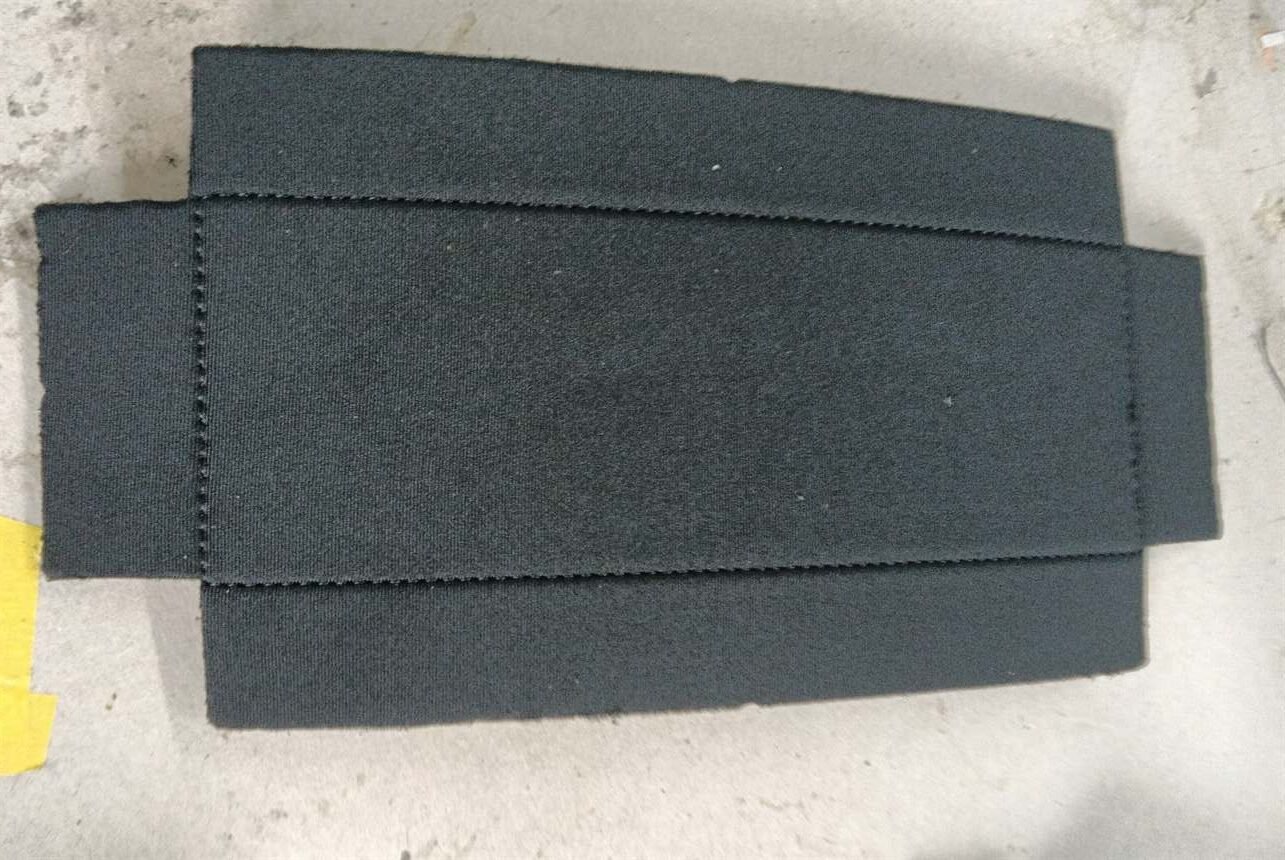
An EVA camera case is a molded case made from ethylene-vinyl acetate foam. In camera accessories, it is commonly used for semi-rigid cases, zipper organizers, lens pouches, action-camera storage boxes and drone accessory kits.
EVA’s main advantage is maturity. The supply chain is broad, tooling is familiar, and unit cost can be controlled more easily than with more complex premium constructions. For brands building a value-tier accessory line, EVA can give a reliable shell shape without pushing the retail price too high.
The trade-off is product language. EVA normally feels thicker and more utilitarian. A 4-6 mm molded EVA shell can protect well, but it may also make a compact camera or action cam feel bulkier than the device itself. For marketplace sellers, that can be acceptable. For a premium camera brand, that bulk can weaken the unboxing and daily carry experience.
EVA is usually strongest when the case is designed as a storage solution: a compact organizer with room for the camera, batteries, cable, filters or small mounts. It is less ideal when the case must feel like a fitted extension of the device.
What Is a Soft-Formed Camera Case?
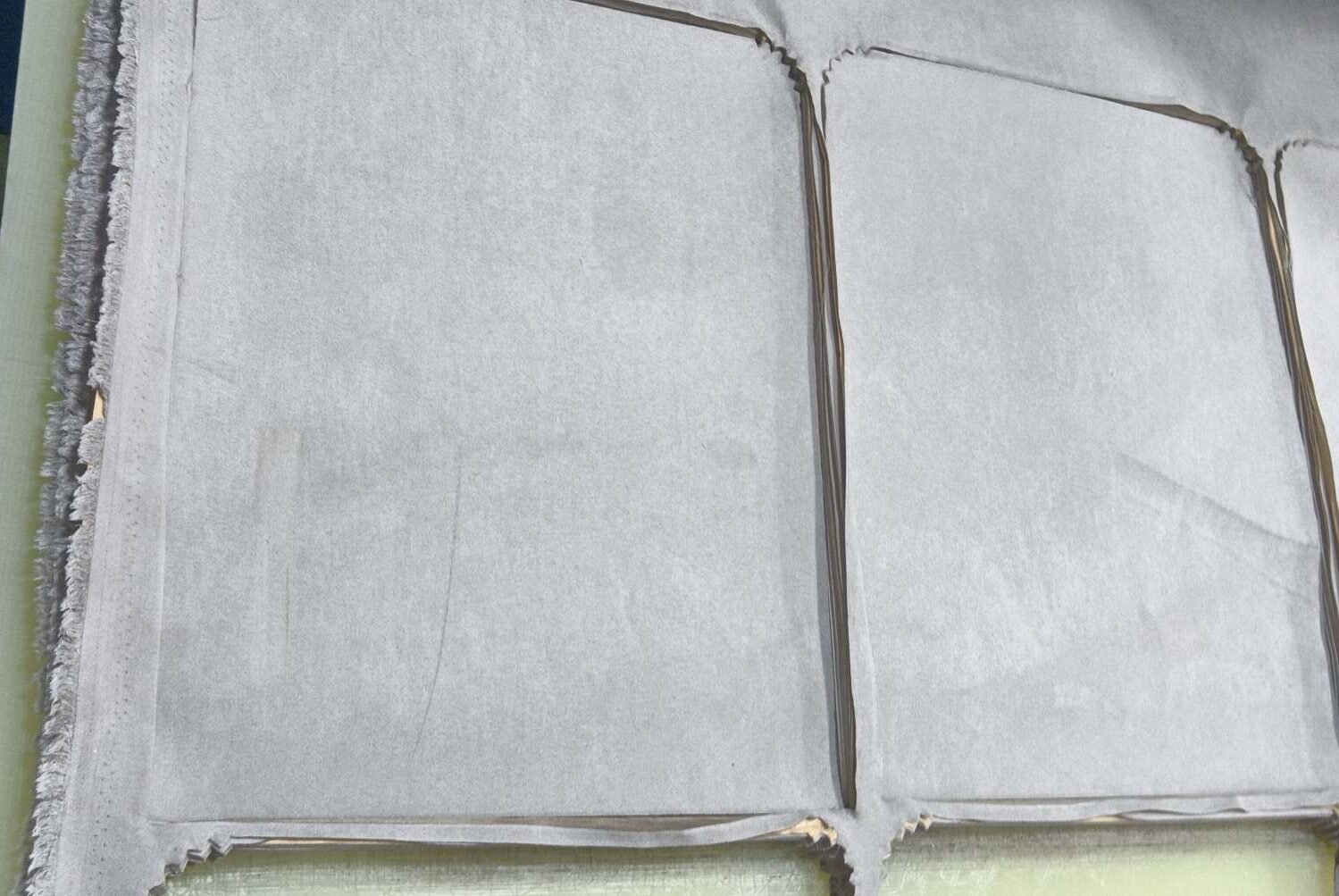
A soft-formed camera case is made by shaping multiple soft material layers into a precise shell. Instead of relying mainly on thick foam, the design combines surface material, backing, adhesive structure and controlled forming to create a thin, stable and tactile case body.
In practical OEM development, the key advantage is that soft-formed cases can stay slim. A soft-formed shell around 1.5-2.0 mm can still offer meaningful daily protection because it fits the device closely and spreads small impacts through the structure. That is a different protection logic from a thick EVA box.
From our floor, Evidence ID: R011 / R010 forming records. In soft-formed projects, the difficult part is not only making a panel take shape. The harder task is keeping a soft, leather-like hand-feel while making sure the shape does not relax after repeated handling. Our production approach uses multi-layer soft forming so the case feels flexible in the hand but still keeps a defined camera profile. Exact forming settings are kept internal.
That balance matters to B2B buyers because the case is often sold together with the device or positioned as an upgrade accessory. If the case feels slim, fitted and deliberate, it supports a higher perceived value than a generic storage box.
Five Decision Factors for OEM Buyers
1. Thickness and Carry Experience
If your buyer wants compact daily carry, soft-formed construction usually has the advantage. A slim case is easier to put into a backpack, sling bag or kit pouch. For small cameras and creator devices, every millimeter affects how the product feels in use.
EVA is thicker by nature. That thickness can be useful for storage protection, but it can also make a small product look oversized. For online listings, a bulky case may signal durability. For premium retail, it may signal a cheaper accessory language.
2. Protection Method
EVA protects through a combination of molded shape and cushioning volume. This is useful when the case has to hold multiple accessories or survive general handling in warehouses and shipping cartons.
Soft-formed cases protect differently. They rely more on fit, surface coverage and controlled flex. A close-fitting shell reduces movement inside the case, while the soft layered structure absorbs everyday knocks. It is not a substitute for a heavy-duty transport box, but it is often the better answer for daily device protection.
3. Premium Feel and Retail Positioning
For brands, touch is part of the sale. A soft-formed case can feel more like a designed product than a storage accessory. That is useful for flagship camera lines, creator bundles, retail gift sets and private label programs where the case must match the device’s price point.
EVA can still look professional, especially with clean stitching, good zipper selection and careful edge control. But it usually communicates function first. Soft-formed construction communicates fit, finish and brand care.
From our floor, Evidence ID: R072 / R052 stitching and inspection records. In premium case production, small finishing details often decide whether a buyer accepts a batch: stitch tension, edge alignment, lid symmetry and final shape correction. We check these visible points because soft-touch cases leave less room to hide uneven workmanship than thicker utility cases.
4. Cost, Tooling and Development Risk
EVA is generally the lower-cost choice per unit. It is easier to quote, easier to explain and widely understood by sourcing teams. If your target is a value SKU, a promotional bundle or a broad accessory catalog, EVA may be the sensible option.
Soft-formed cases usually cost more because they require tighter material matching, forming control, finishing and inspection. The value is not only in protection. It is in the premium impression, slimmer profile and stronger fit with a branded device line.
For an OEM program, the practical question is margin. If the case will be sold as a low-price add-on, EVA may protect your cost structure. If the case helps justify a higher retail price, soft-formed construction may protect your brand position.
5. Customization Options
Both EVA and soft-formed cases can support OEM customization. Common options include color selection, lining, zipper direction, puller style, packaging, private label branding and logo application. The right method depends on surface material and brand requirements.
Soft-formed cases are often better when the case must follow a device-specific outline, wrap around a lens area, or create a slim front-cover shape. EVA is often better when the case needs a box-like organizer body or more internal volume for accessories.
For mixed product lines, many brands use both. EVA can handle entry-level storage kits, while soft-formed construction can serve flagship models or premium bundles.
Which Case Type Should You Choose?
Choose EVA if your project is cost-sensitive, needs a rigid organizer structure, or must hold multiple accessories in one case. EVA is also a good choice when the product line needs broad coverage and predictable pricing.
Choose soft-formed construction if your project needs a slim fit, premium surface feel, device-specific shape or higher retail positioning. It is especially suitable for camera covers, creator-device cases, fitted action-camera protection and branded gift-tier accessories.
Choose a rigid shell case if the main requirement is crush resistance during transport or field storage. For daily carry and retail accessory programs, rigid shells may be stronger than needed and can feel too heavy.
If you are unsure, ask your supplier to quote both EVA and soft-formed options against the same device dimensions, target price and retail position. A good factory should help you compare not only unit cost, but also tooling logic, visible finish, package size, weight and expected customer perception.
OEM Specification Checklist
Before asking for a quote, prepare these points:
| Spec Item | Why It Matters |
|---|---|
| Device dimensions or sample | Determines fit, lens clearance and shell profile |
| Target product tier | Helps choose EVA, soft-formed or rigid shell construction |
| Accessory layout | Decides whether you need a fitted case or organizer case |
| Surface feel target | Controls material choice and premium positioning |
| Logo requirement | Affects surface process and placement |
| Target retail price | Prevents overbuilding or underbuilding the case |
| Estimated order quantity | Needed for MOQ and tooling discussion |
Standard MOQ: The standard minimum order quantity (MOQ) for this product family is 1000 units per order.
Sampling Lead Time: Sampling lead time is calculated based on the specific product requested by the customer, and the exact timeframe depends on the complexity of the design.
Mass Production Lead Time: Standard mass production lead time is approximately 25 days after sample approval and order confirmation.
Tooling Policy: Tooling and mold costs are generally covered by the customer. For bulk orders exceeding 10,000 units, tooling costs will be covered by our factory.
Available Logo Methods: We offer multiple logo customization options, including embossed/debossed (3D relief), hot stamping (foil printing), silicone logo, woven label, and screen printing.
Planning a custom camera case line? Send us your device size, target retail tier and quantity range. ZHIJIANG can compare EVA and soft-formed construction for your project and recommend the structure that fits your brand, cost and protection goals.
FAQ For Rank Math FAQ Block
Q1: Is a soft-formed case better than an EVA case?
A soft-formed case is better for slim, premium, device-specific protection, while an EVA case is better for lower-cost rigid organizers. The better choice depends on product tier, target retail price, accessory layout and how much premium hand-feel matters.
Q2: What is an EVA camera case?
An EVA camera case is a molded semi-rigid case made from EVA foam. It is widely used for camera organizers, action-camera cases, lens pouches and storage boxes because it offers stable shape, useful cushioning and relatively controlled OEM cost.
Q4: Which is cheaper, EVA or soft-formed construction?
EVA is usually cheaper per unit than soft-formed construction. Soft-formed cases normally require tighter forming control, finishing and inspection, so they suit projects where a slimmer premium feel can support a higher retail price.
Q5: Can both EVA and soft-formed camera cases have a custom logo?
Both EVA and soft-formed camera cases can support custom logo options, depending on the surface material and placement. Common OEM approaches include heat-press branding, embossing, printing, woven labels or customized zipper pullers.
Q6: What is the MOQ for a custom soft-formed camera case?
The standard minimum order quantity (MOQ) for this product family is 1000 units per order.