To vet a camera case factory, ask for evidence across five areas: product fit, production process, sampling, quality control and commercial execution. A polished catalog cannot prove repeatable fit or consistent packing. Use a written checklist, compare the same questions across factories, and approve a physical sample before committing to production.
Quick Answer: How to Vet a Camera Case Factory (Checklist)
| Checkpoint | Questions to ask | Pass evidence |
|---|---|---|
| Fit | Can the factory work from the real device kit? | Sample or measured fit record |
| Process | Who manages cutting, forming, stitching and assembly? | Process explanation and photos |
| Sampling | How are revisions recorded? | Dated sample and drawing |
| QC | What is checked before packing? | Checklist or inspection record |
| Commercial | What is included in the quote? | Scope-based quotation |
1. Check Product and Engineering Fit
Start with the product, not the factory tour. Send the camera, lens, battery, cable and other components that must fit. Ask the factory to identify critical clearances, opening zones, contact surfaces and any accessory movement risk.
A factory should be able to explain whether the project needs a soft pouch, soft-formed construction, EVA structure, divider organizer or custom insert. The answer should follow the use case and approved layout, not a standard product list.
2. Check Production Process and Ownership
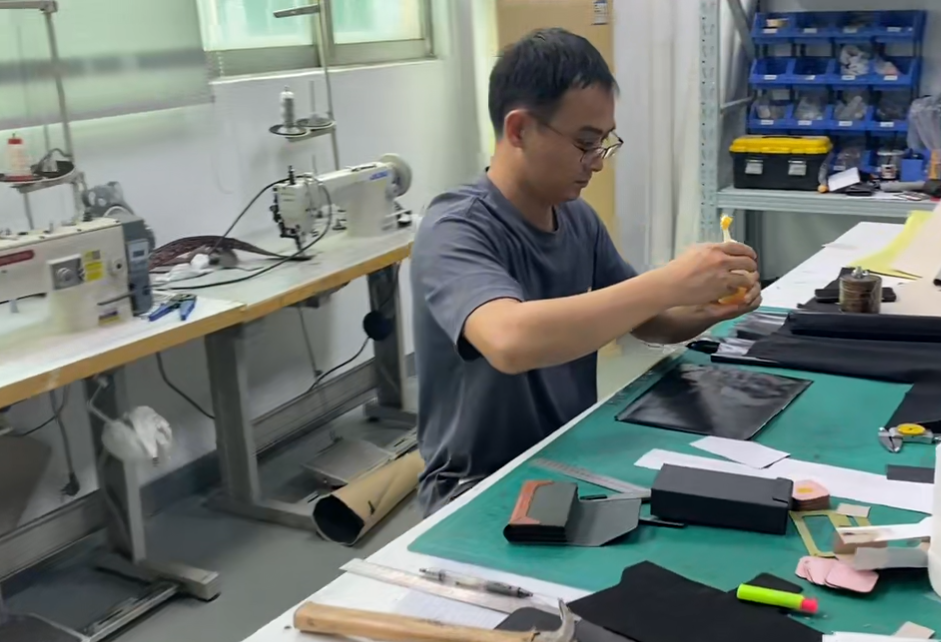
Ask who controls each handoff: material preparation, cutting, forming, stitching, edge finishing, closure assembly, inspection and packing. Confirm whether the contact person can approve changes or only pass messages between teams.
From our floor, stitching is not just decoration. Panel joining and stitch alignment can affect the case opening and the way an insert sits. Evidence ID MFG-STITCH-001 is currently REVIEW, so it is a process candidate and not a certification or guaranteed performance statement.
Ask for a process map and a representative sample. If the supplier refuses every practical question but promises quality, keep the supplier in a lower-confidence category until evidence improves.
3. Check Sampling, QC and Change Control
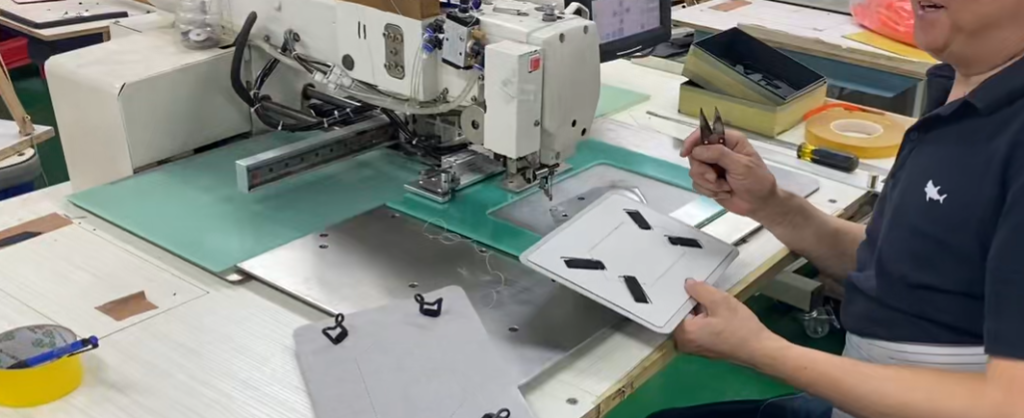
A factory should distinguish a prototype, fit sample, appearance sample and production-intent sample. Ask which issues each stage is designed to catch. Test the actual device and accessory kit, then record changes with photos, drawings and a revision date.
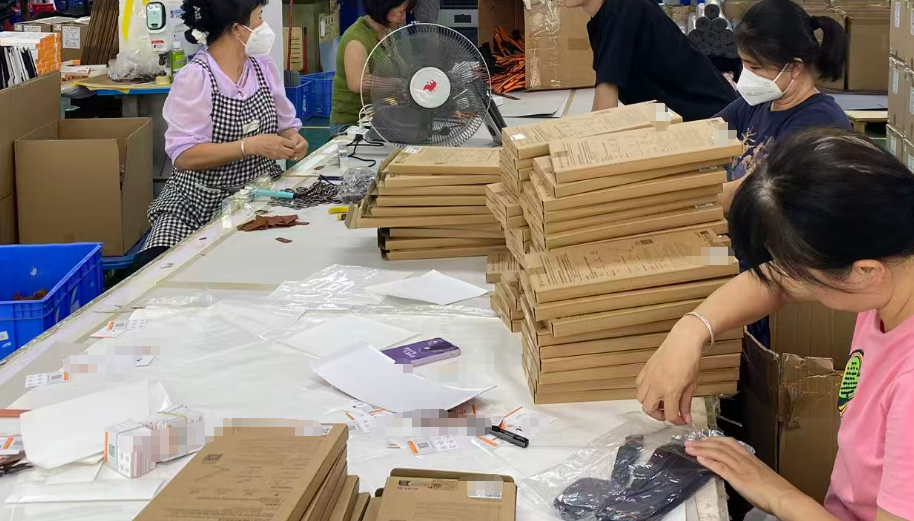
Quality control should cover fit, movement, closure, lining, visible defects, logo placement, quantity and packing. MFG-QC-001 is currently REVIEW; do not convert it into an approved defect rate, certification or AQL claim.
Ask how the approved sample is stored and how substitutions are authorized. This is especially important when materials, color, logo, packaging or accessory lists change after approval.
4. Check Commercial and Delivery Risk
Request a quotation with assumptions, not only a unit price. It should identify the structure, material scope, insert, logo, packaging, sample stage, tooling or setup, quantity, inspection, shipping term and payment conditions.
Ask for milestone dates and escalation rules.The standard minimum order quantity (MOQ) for this product family is 1000 units per order.Sampling Lead Time: Sampling lead time is calculated based on the specific product requested by the customer, and the exact timeframe depends on the complexity of the design.
Mass Production Lead Time: Standard mass production lead time is approximately 25 days after sample approval and order confirmation.
Keep a written comparison. A factory that is slightly more expensive may be lower risk if it includes sample revisions, clear packing controls and a named technical owner.
FAQ – Use Rank Math FAQ Block
How do I vet a camera case factory?
Vet a camera case factory by checking its fit-development method, production process, sample revisions, inspection controls, commercial scope and ability to preserve an approved version.
What should I check during a factory audit?
Check material handling, cutting, forming, stitching, assembly, inspection, packing, sample records, change control and the people responsible for technical and quality decisions.
How do I know if a camera case supplier is reliable?
Reliability is supported by consistent answers, physical samples, clear revision records, defined inspection points, transparent quotation assumptions and repeatable communication.
What documents should a camera case factory provide?
Ask for a quotation, specification or drawing, sample notes, packing details, inspection records and any material or market documents that are actually available for the project.
Should I visit a camera case factory before ordering?
A visit can add confidence, but it does not replace a physical sample, written specification, inspection agreement and change-control process for the actual order.
What is the MOQ for a vetted factory?
The standard minimum order quantity (MOQ) for this product family is 1000 units per order
