A travel camera case should separate the camera, lenses, batteries and accessories while keeping the kit compact, easy to inspect and simple to access. The right layout depends on the travel kit, carry method, device fit, padding, closure and packing environment. For brands and OEM buyers, travel protection is a product-system decision rather than a single material choice.
This guide explains how to turn a travel photography kit into a case, pouch, organizer or private-label bundle that is easier to pack and reproduce.
Quick Answer: How Should Travel Photo Gear Be Packed?
| Travel need | Case direction | Practical priority |
|---|---|---|
| One camera and lens | Padded pouch or compact case | Keep the lens separated and easy to remove |
| Multi-lens kit | Organizer with defined cavities | Prevent rubbing and accessory movement |
| Carry-on bundle | Structured case with efficient layout | Balance outer size, access and protection |
| Changing kit | Adjustable dividers | Allow layout changes without loose movement |
| Branded product line | Custom case, insert and packaging | Keep the approved presentation repeatable |
Build the Layout from the Actual Travel Kit
Start with the complete kit: camera body, lenses, batteries, charger, cards, cable, microphone, filters, strap and cleaning cloth. Mark what is fragile, hard-edged, frequently used or only needed as a backup. This determines which items need fixed cavities and which can share a flexible pocket.
Ask for device samples or measured drawings from several angles. A lens collar, grip, cap or protective film can change the cavity even when the published dimensions look simple. Also define the carry method: inside a larger suitcase, in a camera backpack, as a shoulder bag or as a compact hand-carry case.
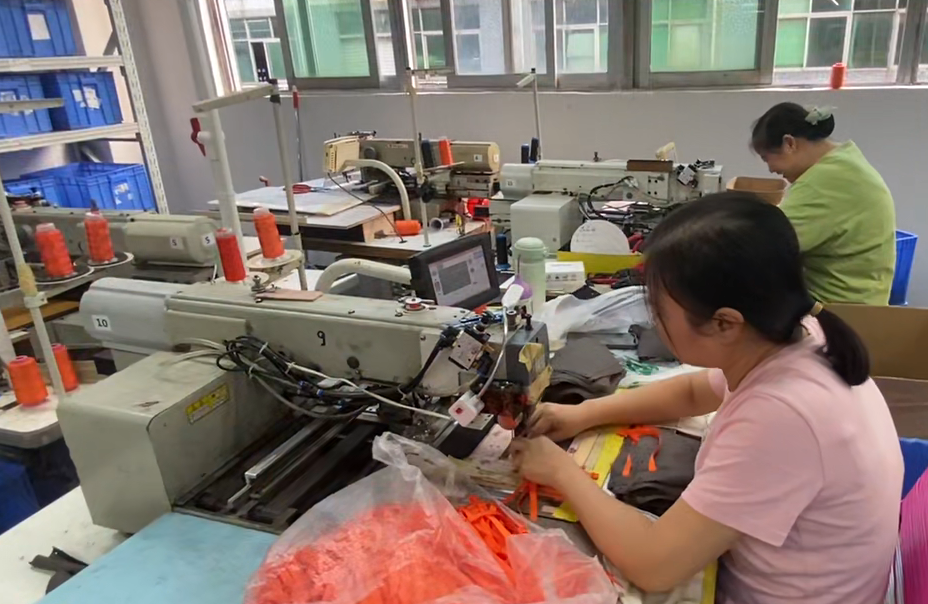
Factory evidence: R150 records compact case assembly and R134 records zipper-lining assembly. These references support the practical point that the body, lining, opening and closure must work together after assembly. Evidence IDs: MFG-FILTER-001 and MFG-PACK-001, status REVIEW.
Separate Lenses, Batteries and Hard Accessories
Lenses should not share a loose pocket with metal adapters, chargers or a mini tripod. Use a dedicated cavity, sleeve or divider. Batteries and cables should have their own area so they do not press against the lens or camera screen. If the kit includes filters, place them where the user can identify and remove them without disturbing the camera.
The layout should support the order of use. The camera and main lens may sit near the opening. Spare batteries, cards and backup cables can sit in secondary pockets. A compact design is useful only when the user can reach the priority items without removing the entire kit.
Choose a Travel Case Format
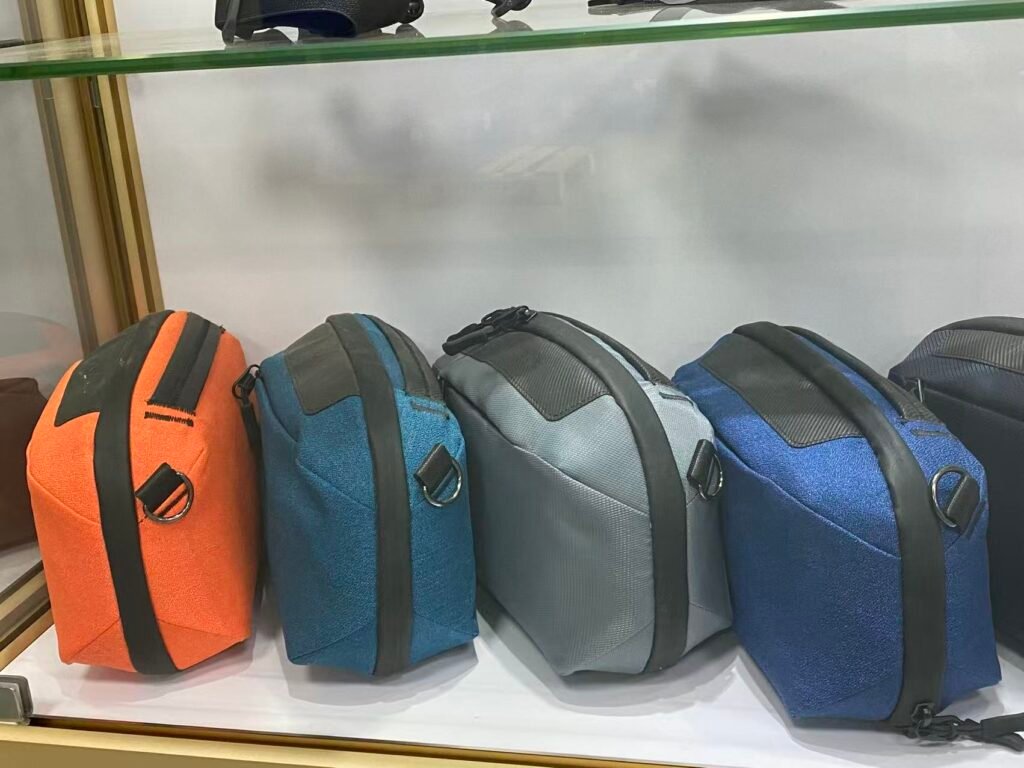
A padded pouch is light and flexible, but it needs retention so the product does not move inside. A structured organizer gives clearer positions and can present a complete kit more professionally. A semi-formed case can create a defined silhouette with a softer hand feel. An insert upgrade can be suitable when the buyer already has an outer shell.
Do not describe a travel case as a complete waterproof enclosure without a finished-product test. If the product will encounter rain, splash or changing environments, define the actual exposure and test requirement with the quality team.
Pack for Access, Inspection and Repeat Orders
A travel case should be easy to open, inspect and repack. Check zipper clearance, finger access, lid pressure, cavity order, edge coverage and lining cleanliness. If the case is sold as a branded kit, confirm the insert card, label, barcode and carton mark at the same time as the case.
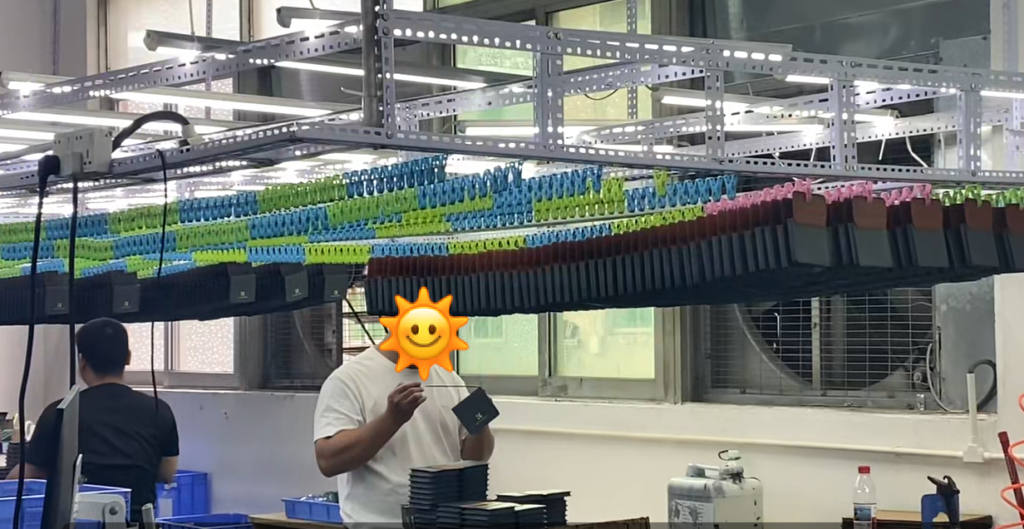
R056 records protective padding before packing. It is a useful reference for discussing shipment handling, but it does not prove a transport test or a universal packaging standard. Evidence ID: MFG-PACK-001, status REVIEW.
OEM Brief for Travel Photography Products
Send the complete kit list, physical samples or drawings, preferred outer size, carry method, opening direction, material direction, logo artwork, packaging and target quantity. State which cavities are fixed and which should be adjustable.
The standard minimum order quantity (MOQ) for this product family is 1000 units per order.
R052 records finished-product inspection before packing. The buyer should approve fit, appearance, logo, closure and packing separately before production. Evidence ID: MFG-QC-001, status REVIEW.
FAQ – Use Rank Math FAQ Block
What should a travel camera case hold?
A travel camera case can hold the camera, lenses, batteries, charger, cards, cables, filters, strap and cleaning accessories according to the target kit.
How do I protect camera lenses while traveling?
Use separate padded cavities or sleeves, keep hard accessories away from optical surfaces, and approve the layout with the actual lens and cap configuration.
Is a camera pouch suitable for travel photography?
A pouch can suit a small kit, while a structured organizer is more suitable when the buyer needs defined positions, accessory separation and repeatable presentation.
Can a factory make a custom travel camera case?
Yes. An OEM factory can develop a travel case or organizer from the device kit, measurements, layout, materials, logo and packaging requirements.
How should travel camera gear be organized?
Place frequently used items near the opening, separate lenses from hard accessories, and give batteries, cards and cables defined areas.
What is the MOQ for a custom travel camera case?
The standard minimum order quantity (MOQ) for this product family is 1000 units per order.
