Choosing a camera case manufacturer in China should start with process evidence, not a directory ranking or the lowest quote. Compare each factory’s fit development, material control, sampling, quality inspection, branding and packing scope against the same brief. This guide gives brands and distributors a practical shortlist framework for an OEM decision.
Quick Answer: Top China Camera Case Manufacturers
| Selection area | What to compare | Evidence to request |
|---|---|---|
| Product fit | Device, lens and accessory layout | Drawing, sample or fit record |
| Construction | Soft pouch, soft-formed, EVA or insert system | Material and process explanation |
| Development | Revision control and sample approval | Dated sample notes |
| Quality | Fit, finish, closure and packing checks | Inspection record or checklist |
| Commercial scope | MOQ, tooling, lead time and terms | Quote with assumptions |
Start With the Product Brief, Not the Supplier List
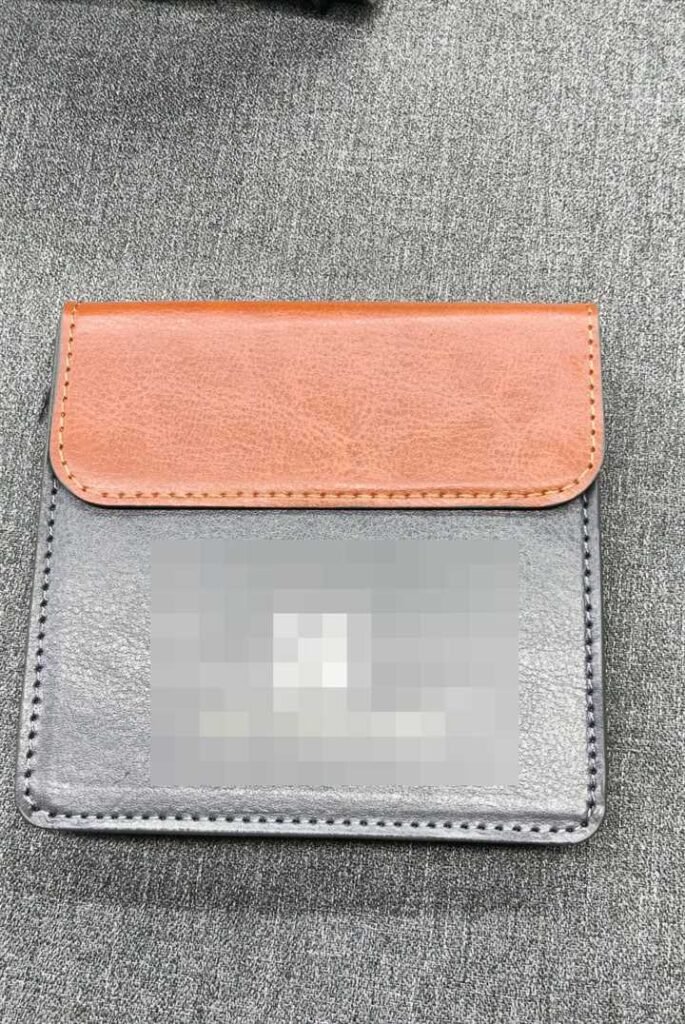
A useful shortlist begins with a clear case brief. State the device or kit, dimensions, accessory list, opening direction, carry condition, preferred hand feel, surface material, color, logo, packaging and target market. If the product is still at concept stage, label it as a development project instead of asking factories to quote an undefined finished item.
Ask every candidate to answer the same questions. Can the team work from a physical sample, measured drawing or 3D reference? Can it separate the main device from cables, batteries and fragile accessories? Which decisions require a physical sample before approval?
For a US brand or cross-border seller, this consistency matters. A low quote can exclude the insert, packaging, logo setup, inspection or development work. The apparent saving may disappear when the scope is aligned.
Compare Manufacturing Capability by Evidence
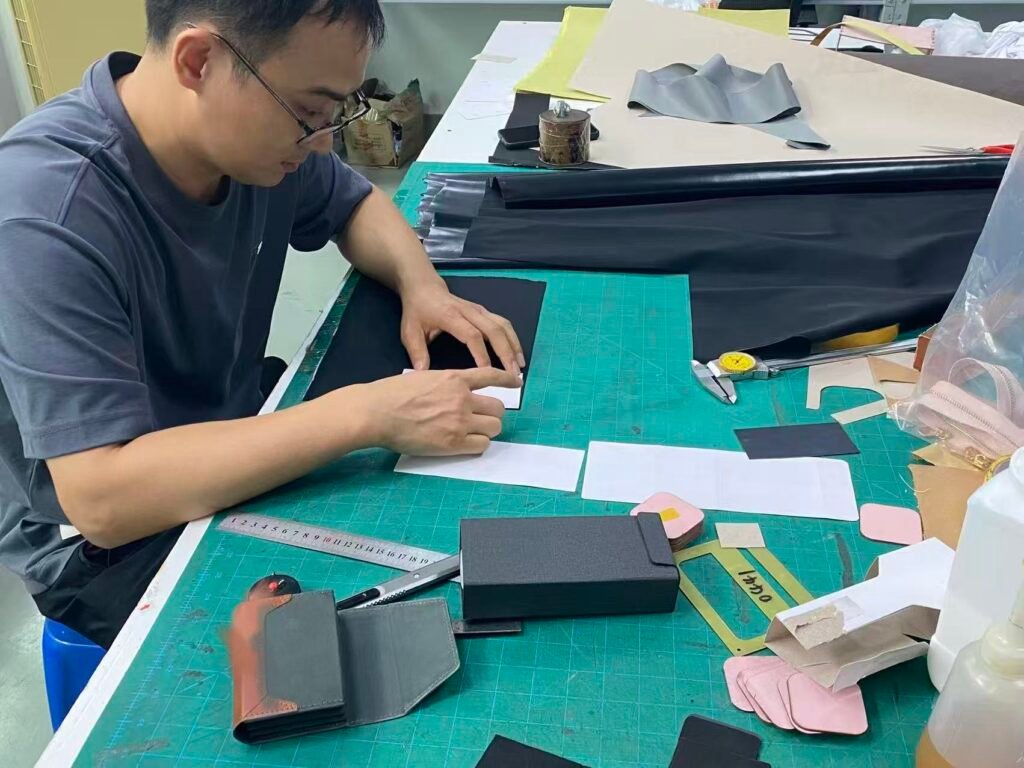
Look for a factory that can explain how materials move from cutting to assembly, forming, stitching, finishing, inspection and packing. A supplier should describe the handoff between design intent and a repeatable production sample without disclosing confidential customer information.
From our floor, precision stitching and finished-case inspection are separate control points. Stitch alignment can affect opening geometry, while final inspection checks visible finish and assembly before packing. Evidence IDs MFG-STITCH-001 and MFG-QC-001 are currently REVIEW; they are candidate evidence, not approved certification or a universal defect-rate claim.
Ask for a capability sheet, representative process photos, sample policy and the name of the person responsible for technical changes. A factory that cannot explain ownership of the approved drawing may create avoidable revision risk.
Evaluate Sampling and Fit Development
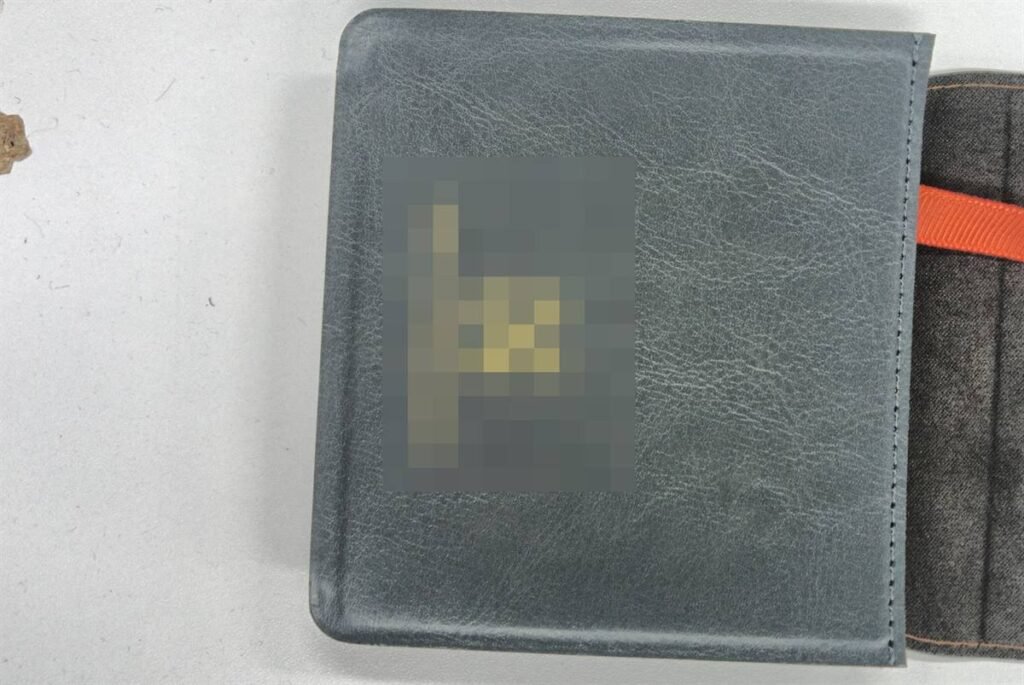
A sample is more useful when it tests the real device kit. Check fit, movement, access to controls, lens or port clearance, closure, lining, edge coverage, logo position and packing. Record each revision in a dated drawing or approval note.
Ask whether the first sample is a visual prototype, a fit sample or a production-intent sample. Those stages should not be treated as identical.
A credible manufacturer should also explain what happens after a device, accessory list, color, artwork or packaging instruction changes. Repeatability depends on controlling the approved version, not merely keeping a sample on a shelf.
Compare Quotes and Commercial Risk
Request a quote that states the structure, material scope, dimensions, branding, insert, packaging, quantity, sample scope, tooling or cutting method, inspection, shipping term and payment assumptions. Compare like with like.
Ask for milestone logic rather than one unexplained delivery date: brief confirmation, material preparation, sample, buyer approval, pilot or pre-production check, mass production and packing. The standard minimum order quantity (MOQ) for this product family is 1000 units per order.
For a new supplier, agree how changes are charged, how unused tooling or artwork is handled, who approves substitutions and what happens if the approved material is unavailable. These questions protect the launch more than a polished catalog page.
FAQ – Use Rank Math FAQ Block
How do I choose a camera case manufacturer in China?
Choose a factory by comparing the same product brief, physical sampling process, fit control, quality records, branding capability, packing scope and commercial milestones.
What should I ask a camera case factory?
Ask about device samples, development ownership, materials, revision control, sample stages, inspection points, packing, MOQ, lead time and the documents available for your target market.
How can I verify a camera case manufacturer?
Verify the manufacturer through consistent process answers, representative production evidence, a physical sample, an approved drawing and a clear quality and change-control process.
What is the difference between a supplier and a manufacturer?
A manufacturer controls or directly manages the production process, while a trading supplier may coordinate production through another factory; confirm the actual production responsibility before ordering.
What is the MOQ for custom camera cases?
The standard minimum order quantity (MOQ) for this product family is 1000 units per order.
Can a China factory make private-label camera cases?
Yes. A qualified OEM partner can discuss the case structure, insert, branding and packaging for a private-label project, subject to artwork, sampling and commercial confirmation.
