A custom waterproof camera case is a complete system, not simply a soft case with a water-resistant fabric. The buyer must define the protection target, shell, closure, seam treatment, opening frequency, insert, device fit and validation method. An OEM quote should state what level of water protection is designed and what testing remains required.
Quick Answer: Custom Waterproof Camera Cases
| Design area | Buyer decision | Why it matters |
|---|---|---|
| Protection target | Splash, rain, transport exposure or a tested waterproof claim | Prevents vague promises |
| Shell | Soft, formed, EVA or rigid structure | Balances carry, fit and protection |
| Closure | Zipper, roll, flap or sealed system | Creates a major exposure path |
| Seams and edges | Construction and finishing direction | Limits leakage risk |
| Validation | Test method, sample, pass condition | Connects design to evidence |
Define “Waterproof” Before You Ask for a Quote
Waterproof is not a single material description. Define the use condition: light rain, splash, wet transport, temporary exposure or a documented test target. State whether the case must protect the device only, or also batteries, cables and other accessories.
Do not publish an unqualified waterproof promise without a defined test method and project evidence.
A buyer who gives the factory a clear exposure scenario receives a more useful construction discussion than a buyer who only asks for waterproof fabric.
Match the Shell, Closure and Insert to the Use Case
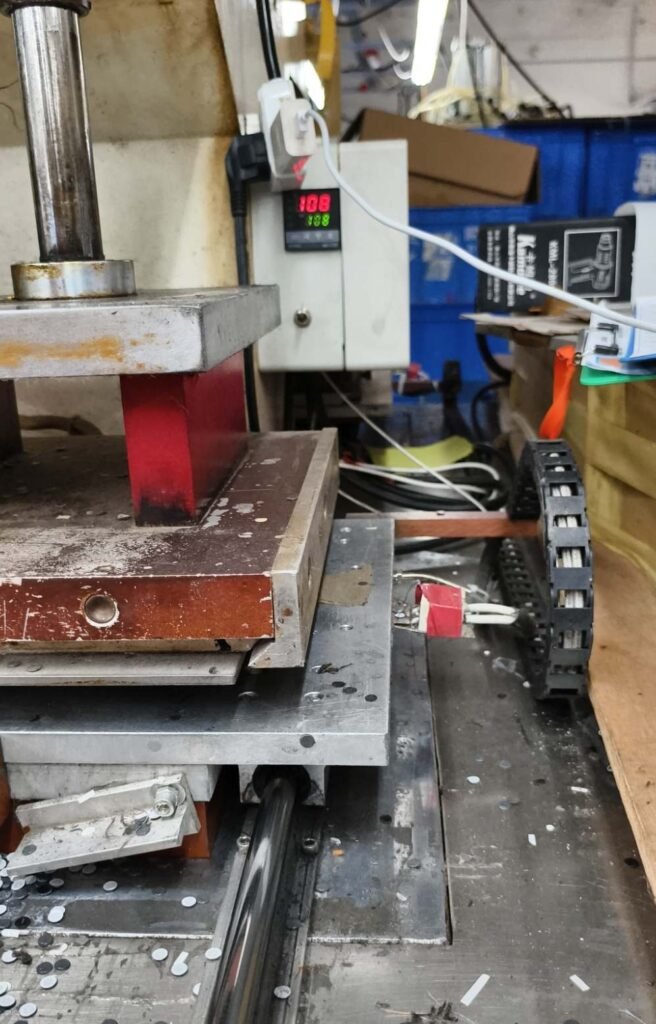
The outer shell, opening, closure and insert must work together. A structured shell can help maintain shape. A soft-formed panel can support a close fit and a softer hand feel. EVA or another insert system may separate the device from accessories and reduce movement.
The closure is a key risk area because frequent opening can conflict with a highly sealed construction. The insert must not interfere with the closure path or create pressure on controls, lens zones or ports.
From our floor, EVA corner bonding and soft-formed shell work address different construction questions. Evidence IDs MFG-FORM-001 and MFG-STITCH-001 are currently REVIEW; they do not prove a finished product waterproof rating.
Control Seams, Edges and Opening Geometry
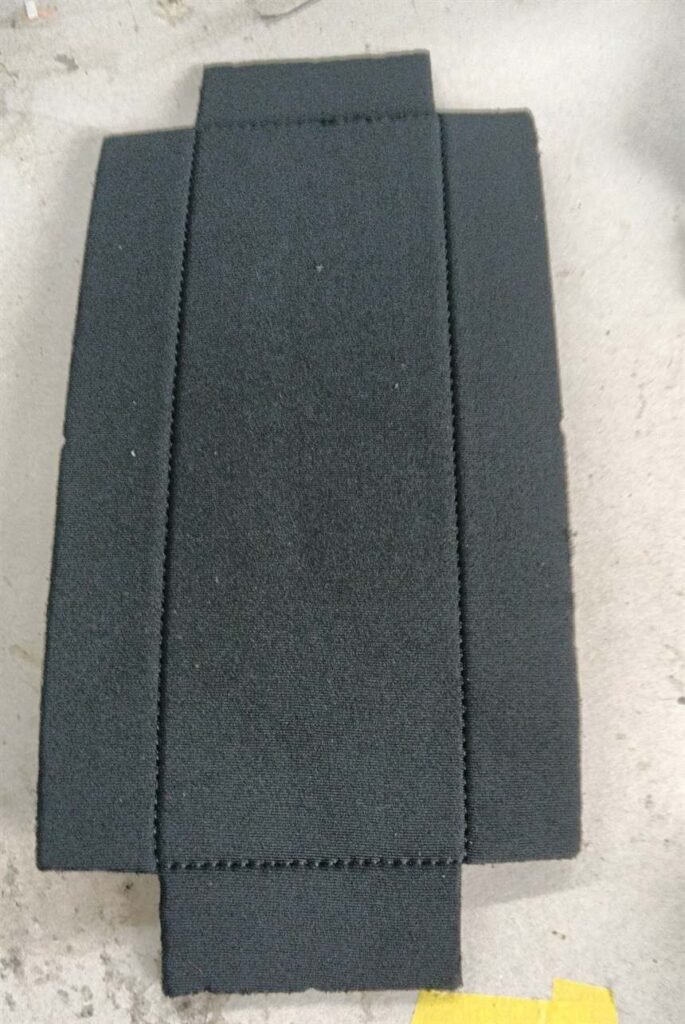
Water protection can be lost at seams, edges, zipper ends, flap transitions or unprotected openings. Ask the factory to identify these zones on a drawing and explain which construction decisions are intended to reduce exposure.
Fit still matters. A loose cavity can let the device move, while an over-tight fit can push against the closure or make removal difficult. Test the actual camera and accessory kit through repeated opening and closing.
Use a physical sample to check seam alignment, edge coverage, closure travel, lining behavior and insert position. Do not infer test performance from a material swatch or product photograph.
Build Validation Into the OEM Development Plan
Agree on validation before production. The plan may include dimensional fit, closure operation, exposure simulation, visual inspection, packing and any market-specific test requested by the buyer. The test method, sample count, pass condition and report owner should be written down.
R052 is a public reference for finished-case inspection before packing, while R032 is a packing-process reference. Evidence ID MFG-QC-001 and MFG-PACK-001 are REVIEW and do not replace project testing.
FAQ – Use Rank Math FAQ Block
What makes a camera case waterproof?
Water protection depends on the complete case system, including shell, closure, seams, edges, openings, insert interaction and a defined validation method.
Can a custom camera case be fully waterproof?
A fully waterproof claim requires a defined construction, test method, pass condition and project evidence; do not treat a water-resistant material alone as proof.
What is the difference between water-resistant and waterproof camera cases?
Water-resistant usually describes limited exposure protection, while waterproof describes a more specific protection target that should be tied to a stated test method and acceptance condition.
How do I design a waterproof camera case?
Define the exposure scenario, device kit, shell, closure, seam and edge strategy, insert layout, opening frequency and validation plan before sampling.
Can EVA be used in a waterproof camera case?
EVA can be part of a protective structure or insert, but it does not by itself establish a waterproof rating; the full case construction and validation must be reviewed.
What is the MOQ for a custom waterproof camera case?
The standard minimum order quantity (MOQ) for this product family is 1000 units per order.
