A vlog camera case should protect the creator’s complete working kit, not only the camera body. The practical layout usually separates the camera, lens, microphone, batteries, cable, memory cards and small support gear while keeping the most-used items easy to reach. For brands and OEM buyers, the right case balances mobility, fit, protection, brand presentation and repeat production.
This guide explains how to build a gear-protection concept for vlog creators and how to turn it into a custom camera case, organizer or private-label bundle.
Quick Answer: What Should a Vlog Camera Case Do?
| Creator need | Case direction | Why it matters |
|---|---|---|
| Fast setup | Open access zone for camera and microphone | Reduces time spent searching inside the bag |
| Lens protection | Separate padded cavity or pouch | Limits rubbing against hard accessories |
| Battery management | Defined battery and cable pockets | Keeps charged and used items organized |
| Mobile shooting | Compact structured organizer or field bag | Balances protection with carry comfort |
| Brand program | Custom case, insert, logo and packaging | Creates a repeatable creator-gear product |
1. Start with the Creator’s Real Kit
Vlog equipment changes with the shooting style. A talking-head creator may carry one compact camera, a microphone, a small light, batteries and a cable. A travel creator may add two lenses, a mini tripod, filters, a power bank, a card wallet and a cleaning cloth. A studio-to-field team may need several bodies, microphones, batteries and monitoring accessories.
Write the kit list before choosing the case shape. Mark each item as fixed, frequently accessed, fragile, hard-edged or flexible. This tells the factory which items need shaped cavities, which can share an open pocket and which should stay away from lenses or screens.
Ask for physical samples or measured drawings where possible. A device name alone does not reveal grip transitions, lens collars, protective films, cable bends or the way a microphone is removed. Include the user’s normal setup sequence so the case supports the work rather than only storing the products.
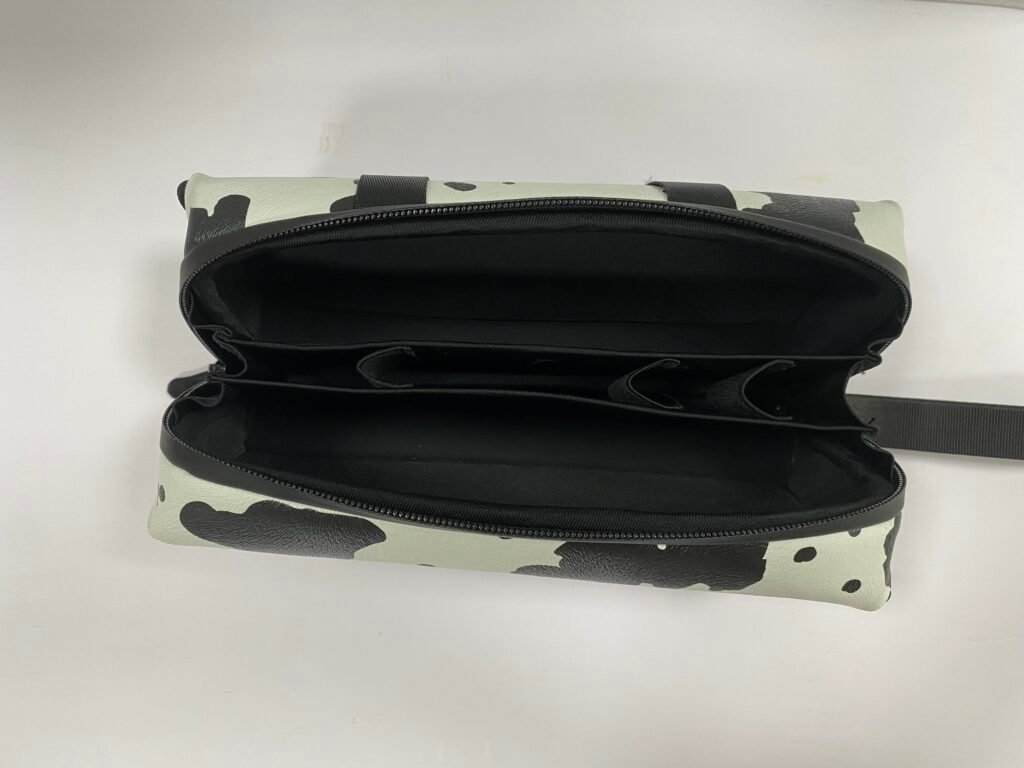
Factory evidence: R150 records compact case assembly, and R080 records divider construction. Together they support a practical design principle: the outer body, lining, opening and interior organization should be assessed as one finished structure. Evidence IDs: MFG-FILTER-001 and MFG-STITCH-001, status REVIEW.
2. Choose the Right Protection Format
A soft padded pouch works for a small kit carried inside another bag. It is light and flexible, but it needs a clear retention method so the camera or lens does not move into the zipper or another accessory.
A structured camera organizer gives the kit more defined positions. It can use fixed cavities, adjustable dividers or a hybrid interior. This format suits a creator bundle that has a stable core kit but still includes changing cables, cards or small tools.
A soft-formed case can give the product a cleaner silhouette and closer device fit while retaining a softer hand feel. An EVA case can provide a more structured shell direction. The decision should follow the creator’s kit, carry method, retail tier, target quantity and packaging plan.
Do not use the outer material as a shortcut for a complete protection claim. The finished case still needs fit, closure, lining, edge and transport requirements to be defined and tested.
3. Design for Fast Access During a Shoot
Creators often change batteries, microphones, lenses or memory cards while working. A useful vlog camera case therefore needs an access hierarchy. Put high-frequency items near the main opening. Keep backup items deeper or in secondary pockets. Use finger access or pull areas where the cavity is difficult to lift.
Separate hard accessories from optical surfaces and screens. A metal adapter, mini tripod or cable connector should not share a loose pocket with a lens. If the user must remove three items to reach the camera, the layout may look compact but fail in actual use.
For flexible creator kits, dividers allow the user to change the layout. For a private-label product bundle, fixed cavities make the product easier to present and reproduce. A hybrid layout often works when the camera and lens positions are stable but the accessory mix changes.
4. Protect the Parts That Affect Image Quality
The camera body is not always the most vulnerable item. Lenses, filters, screens, connectors and microphone components can be affected by rubbing, pressure or loose accessories. The case should define no-contact zones and keep closure hardware away from delicate surfaces.
Lining cleanliness matters for a camera accessory product. Ask the factory to check visible fibers, loose threads, rough edges, zipper clearance and the way the cavity recovers after repeated use. If a case includes a removable insert, confirm that the insert does not buckle or shift inside the shell.
For outdoor or travel use, describe the real exposure conditions and required finished-product tests. A water-resistant zipper or padded panel should not be described as proof that the complete case is waterproof without an approved test.
5. Build the Brand and Product Bundle Together
A creator-gear product can be sold as one case, a camera-and-lens bundle or a wider kit with a card wallet, filter pouch and strap. The brand brief should state the product family, color direction, logo position, labels, packaging and accessory list.
Send vector artwork and a placement drawing for the logo. Confirm the physical appearance on the sample before production. Packaging may include an insert card, barcode, hangtag, protective sleeve or carton mark. These details can affect the final size and packing method.
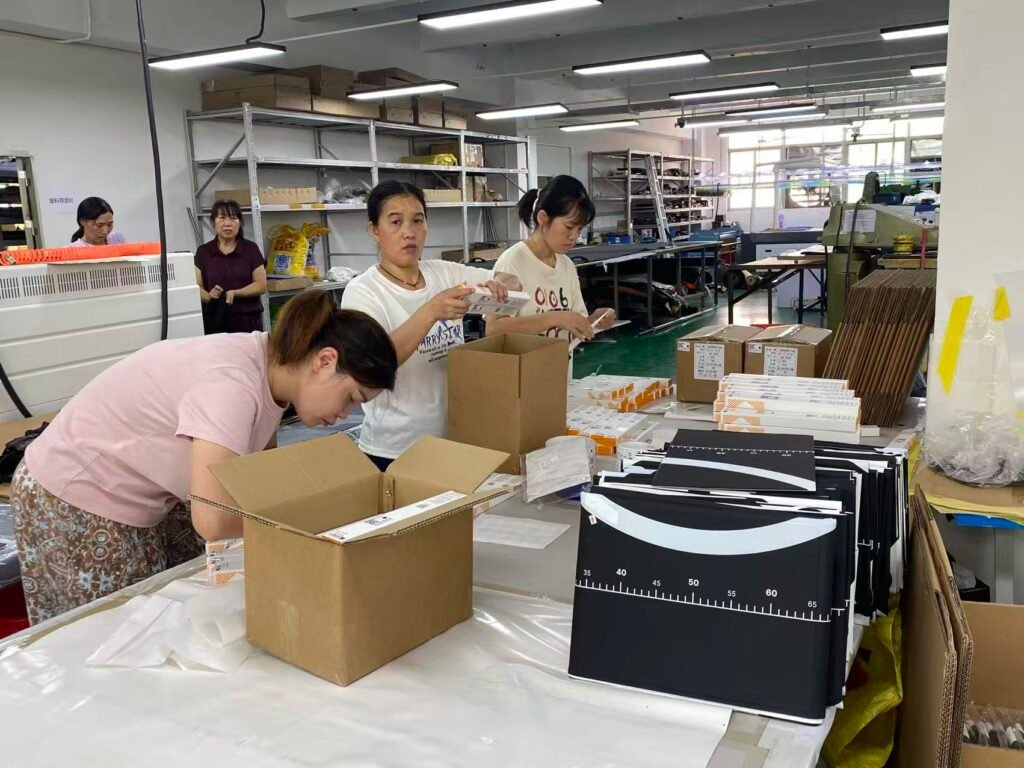
The public image list includes branding and finished-case inspection references. Evidence ID MFG-QC-001 remains REVIEW, so it must be approved internally before being used as a public factory claim.
6. Turn the Concept into an OEM Product
Send the factory:
- Complete camera, lens and accessory list.
- Real samples or measured drawings.
- Preferred outer size and carry method.
- Main opening direction and access order.
- Fixed cavities versus adjustable dividers.
- Lining, padding, closure and surface direction.
- Logo artwork, packaging and target quantity.
- Launch market and required documentation.
The development sequence should include a layout, physical sample, fit check, appearance check, packing check and approved revision. If the device or accessory list changes, confirm whether a new sample is needed.
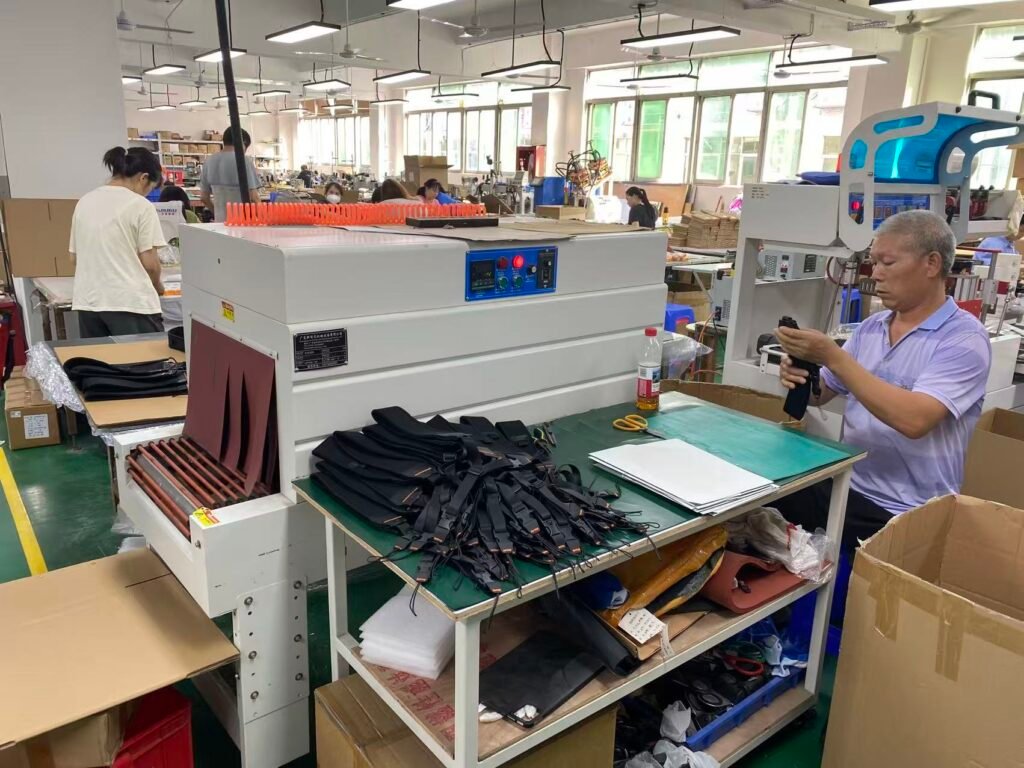
R105 records precision material cutting, while R052 records finished-product inspection before packing. These references support the need for process control before shipment, but both evidence claims are currently REVIEW. Evidence IDs: MFG-QC-001 and MFG-PACK-001.
FAQ – Use Rank Math FAQ Block
What should a vlog camera case hold?
A vlog camera case can hold the camera, lens, microphone, batteries, cables, memory cards, filters, small support gear and cleaning accessories according to the creator’s kit.
How do I organize creator gear in a camera case?
Place frequently used items near the opening, separate hard accessories from lenses and screens, and use fixed cavities or dividers according to how stable the kit is.
What is the difference between a creator gear organizer and a camera pouch?
A pouch is usually lighter and more flexible, while an organizer gives the kit more defined positions and accessory separation. The suitable format depends on carry conditions and kit complexity.
Can a factory make a custom vlog camera case?
Yes. An OEM factory can develop a custom case, insert or organizer from the camera kit, real samples, layout, material direction, logo and packaging requirements.
Can a vlog camera case be private labeled?
Yes. Private-label development can include the approved case structure, logo, color direction, insert, labels and packaging, subject to artwork and production confirmation.
What is the MOQ for a custom creator gear case?
The standard minimum order quantity (MOQ) for this product family is 1000 units per order.
