Multi-layer soft forming is how we build a case that feels soft in the hand yet holds its shape over time — at just 1.5–2.0 mm. Instead of protecting through thick bulk (EVA) or hard rigidity (injection plastic), it protects through precise fit and a flexible, layered structure. This page explains the craft, why it’s hard to do well, and where it fits your product.
A note on the name: we call this multi-layer soft forming or soft-touch precision forming. We deliberately avoid the term “IMD,” which the industry reads as injection in-mold decoration — a rigid, different process that would misrepresent this soft-touch build.
Quick Answer: What Multi-Layer Soft Forming Is
Attribute
Detail
Build
Multiple soft layers (face material, backing, heat-melt adhesive) formed together
Thickness
1.5–2.0 mm
Hand-feel
Soft, leather-like — not hard, not hollow
Protection
Precise fit + flexible energy absorption
Shape
Holds form over time
Vs EVA
Slimmer, softer, more premium
Vs injection + skin
Soft hand-feel, not rigid/”dead”
How It Works
Rather than pressing one thick, hard layer, we form several soft layers together — a face material for look and feel, a backing for structure, and a heat-melt adhesive that bonds them and lets the assembly take a formed shape. The layered result behaves differently from a single hard shell: it flexes to absorb impact and returns to shape, while staying thin and soft to the touch.
Why It’s Hard to Do Well
Here’s the tension that separates a real soft-formed case from a mediocre one:
Push for a soft hand-feel → you tend toward less pressure and softer material → but the shape can slump or spring back out of form.
Push for a shape that lasts → you tend toward more force and stiffening → but the hand-feel goes hard and “dead,” like plastic with a skin glued on.
These two goals pull against each other. Doing both at once — genuinely soft and shape-stable — is the actual craft. Many factories can form a shell; far fewer hold both properties across a full production run.
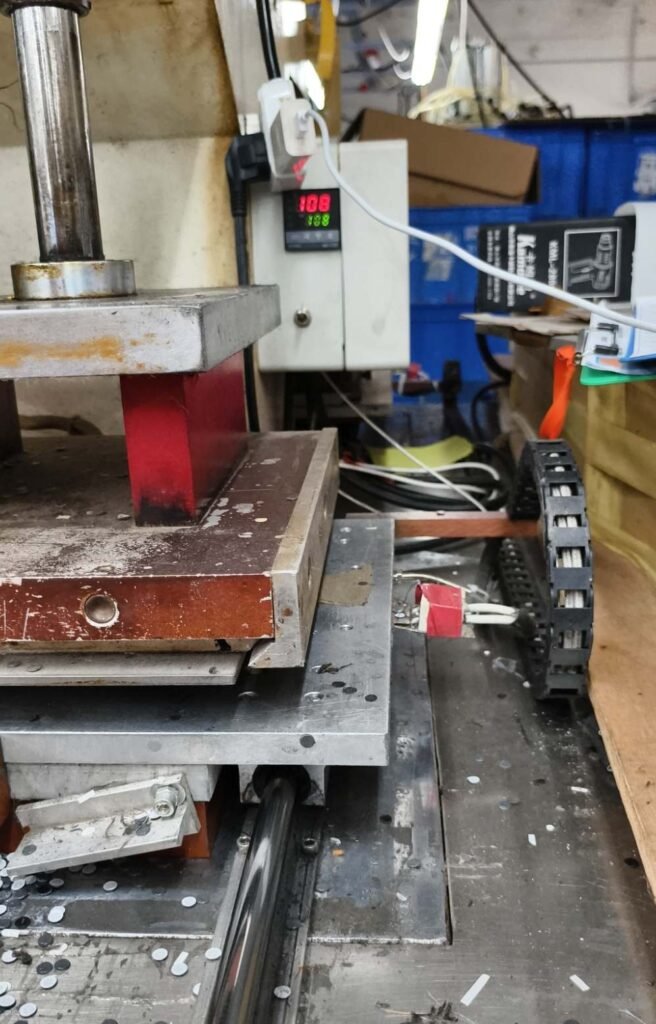
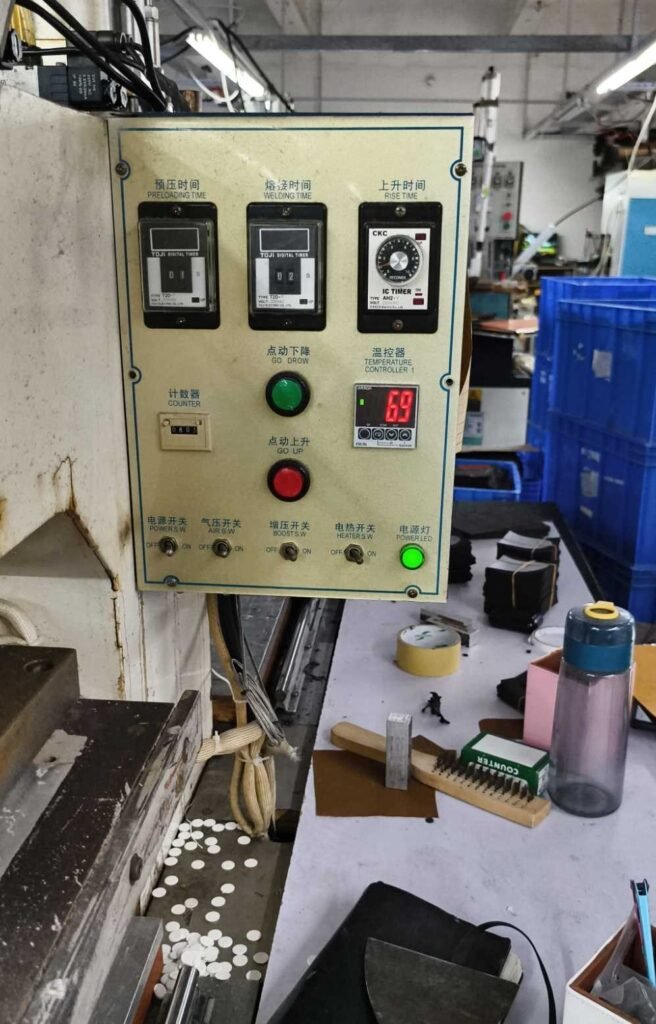
From our floor: our answer is to form in multiple soft layers that work against each other rather than one hard press — so the case keeps a real leather-like feel while the structure holds its form. Getting there took a lot of iteration on layering and process; the exact recipe stays in-house, but the outcome is what buyers feel: soft, slim, and still in shape months later.
Where It Fits Your Product
Premium / flagship cases where hand-feel drives perceived value.
Slim device cases where a bulky EVA shell would ruin the look.
Brand products that need to feel “made for this device,” not like a generic accessory.
For value SKUs or rigid organizer boxes, EVA is the practical choice — see our [EVA vs soft-formed comparison].
Built to Pass Compliance
The heat-melt adhesive we form with is odor-free and made to meet environmental requirements — which matters both for the unboxing experience and for entering brand and retail supply chains.
FAQ
What is multi-layer soft forming?
It’s a process that forms several soft layers — face material, backing, and heat-melt adhesive — into a slim shell (1.5–2.0 mm) that protects through fit and flexibility while keeping a soft, leather-like feel.
How is it different from EVA?
EVA is a thick (4–6 mm) semi-rigid molded foam. Soft forming is slimmer, softer, and more premium, protecting by precise fit rather than bulk.
Is it the same as IMD?
No. “IMD” usually means injection in-mold decoration — a rigid plastic process. Multi-layer soft forming is a soft-touch build; we avoid the IMD label to prevent confusion.
Does a 1.5–2mm case really protect?
Yes — protection comes from snug fit plus a flexible layered structure that absorbs impact, not from thickness. A device that can’t shift is well protected.
Can you make it for my specific device?
Yes — soft-formed cases are built precision-fit, compatible with specific camera, action-cam and drone models.
Want a soft-touch, shape-stable case for your device?
Nullam scelerisque leo felis, quis congue mauris tristique in. Suspendisse pulvinar, felis eu facilisis mattis, turpis odio luctus nisi, et ultrices velit enim quis lacus.
OEM/ODM DEVELOPMENT SUPPORT
From Device Requirements to Production-Ready Cases
ZHIJIANG supports imaging-device brands, camera accessory companies and B2B sellers with device-specific case development, custom inserts, sampling and controlled production.
Device-Specific Development Prototype & Fit Verification Custom Inserts, Branding & Packaging