To source custom camera cases from China, define the device and product tier, shortlist real manufacturers, check craft and QC evidence, confirm OEM or ODM terms, then approve a sample before production. The goal is not to find the lowest quote; it is to find a factory that can repeat your case quality at volume.
Quick Answer: 5-Step China Sourcing Process
| Step | What to Do | What to Ask |
|---|---|---|
| 1. Define the product | Device, material, fit, quantity, sales channel | Is this a fitted case, EVA case, bag or insert project? |
| 2. Shortlist suppliers | Find factories, not only trading pages | Can they show process and workshop evidence? |
| 3. Vet manufacturing ability | Check stitching, forming, inserts, QC and packaging | Can they explain how the case is made? |
| 4. Confirm terms | OEM, ODM, private label, tooling, MOQ, sampling | Who owns the design and tooling? |
| 5. Approve samples | Test against the real device before bulk order | Does the sample match your fit and retail target? |
Step 1: Define the Case Before Asking for Quotes
A vague request creates vague quotes. Before contacting a custom camera case manufacturer, prepare a short brief.
Include:
- Device model or size range.
- Case type: soft-formed case, EVA case, camera bag, lens pouch, drone case or insert.
- Target sales channel and retail tier.
- Quantity estimate.
- Logo and packaging requirement.
- Required delivery window.
- Any market compliance requirement that has already been confirmed by your team.
The brief does not need to be perfect, but it should be specific enough for the factory to choose a process direction. A premium fitted case and a low-cost storage pouch should not receive the same quote.
If the supplier replies with the same generic price sheet for every case type, treat that as a warning sign. Custom camera cases need a project discussion before the quote becomes useful.
Step 2: Find Real Manufacturers, Not Price-Only Traders
China has both real case factories and trading companies. Some traders are helpful, but if your project needs custom fit, repeatable quality and private-label control, you need to know who is actually making the case.
Signs of a real manufacturer:
- They can explain construction choices, not only send product photos.
- They understand material, lining, insert, stitching and closure trade-offs.
- They can show workshop or process images from the product category.
- They discuss sample approval and QC before pushing a bulk order.
- They ask about device fit, packaging and order plan.
Signs of a weak sourcing match:
- The supplier only competes on unit price.
- They avoid process questions.
- They cannot explain how fit will be checked.
- They promise every material and every claim without evidence.
- They do not separate sample, tooling and production terms.
Step 3: Vet Craft, Consistency and QC
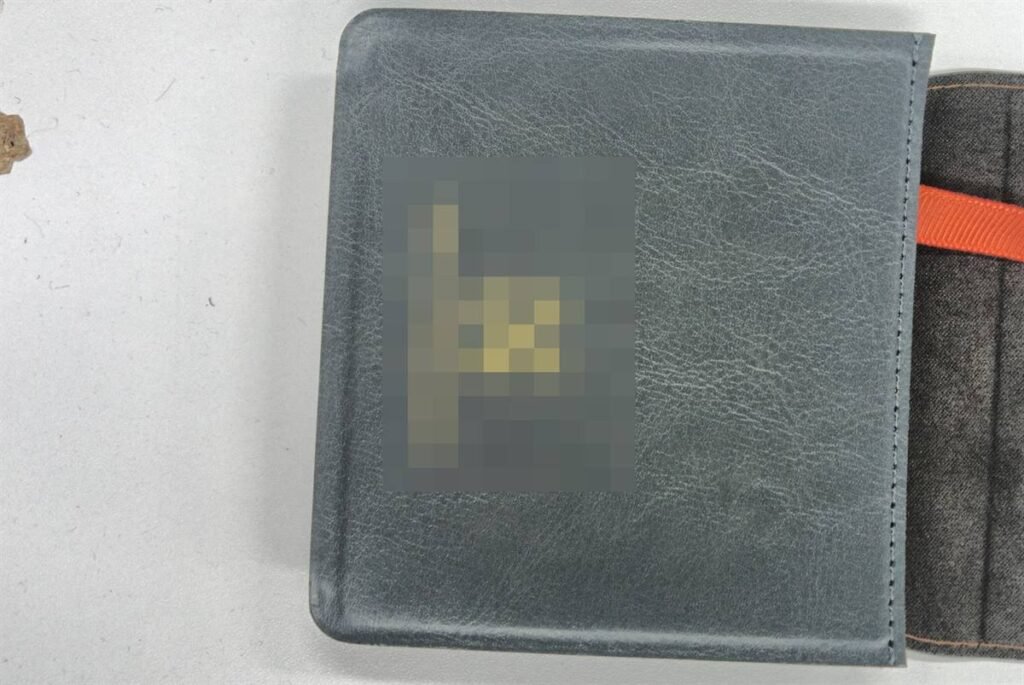
A camera case is a small product, but poor details show quickly. Buyers should look at stitching, edge finish, lining, closure, insert fit, logo placement and batch consistency.
Ask the factory to explain:
- How the material is cut.
- How the case shape is formed or assembled.
- How stitching and edge finish are controlled.
- How the insert is checked against the device.
- How finished goods are inspected before packing.
Factory evidence: R072 records precision stitching along a camera case panel, and R052 records finished product inspection. These records support a practical sourcing rule: do not only ask for product photos. Ask how the factory controls repeatability from sample to batch. Evidence IDs: MFG-STITCH-001, MFG-QC-001.
Step 4: Understand OEM, ODM and Private Label
The sourcing model affects cost, speed and ownership.
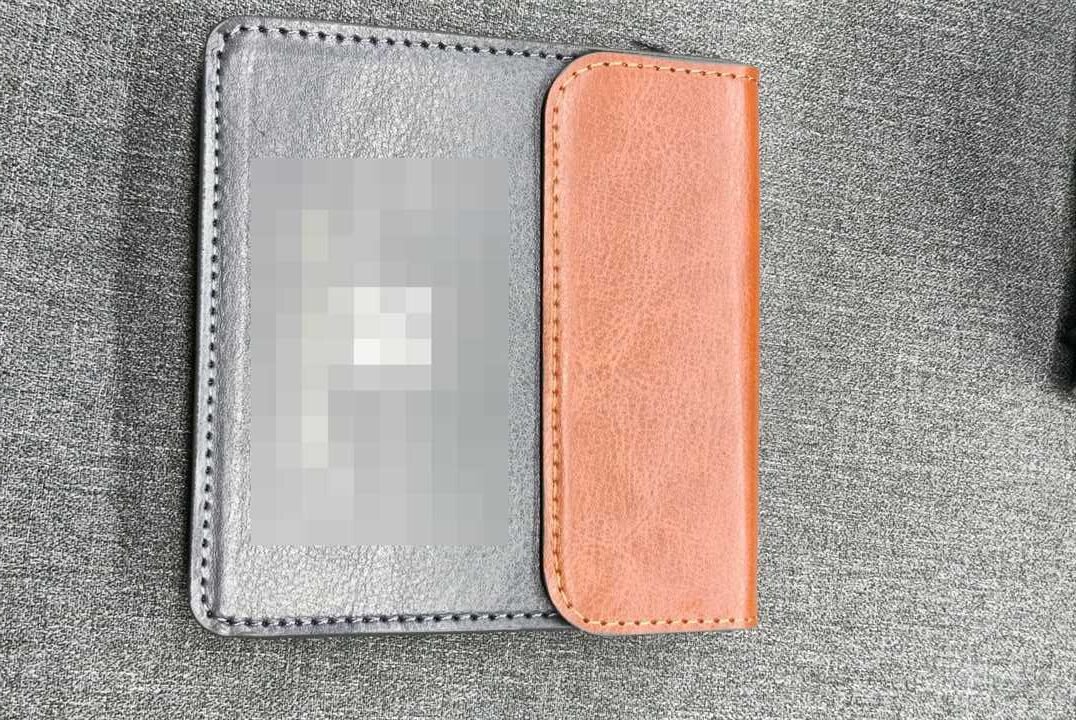
OEM camera case means you bring the design or specification, and the factory manufactures it. This is useful when your brand already owns the design or needs a case compatible with a defined device.
ODM camera case means the factory develops the design from your brief. This is useful when you know the target device and sales channel but need help turning the idea into a manufacturable case.
Private label means you use an existing or factory-developed structure with your brand, packaging or selected changes. This can be faster, but the customization range may be narrower.
Before sampling, confirm who owns the design file, mold, tooling, logo artwork, sample approval record and final specification. Put the answer in writing.
Step 5: Discuss MOQ, Sampling and Tooling Without Guessing
MOQ and sampling cost depend on the case type, material, tooling requirement, logo process, packaging and order plan. A simple pouch is different from a precision-fit formed case. A standard insert is different from a new device-specific layout.
Ask these questions:
- What is the MOQ for this exact construction?
- Is the sample handmade, die-cut, formed or from production tooling?
- Is there a separate tooling or mold cost?
- Who owns the tooling after payment?
- What changes are included after the first sample?
- What is the estimated production lead time after approval?
- What packaging is included in the quote?
Do not force every supplier into one generic MOQ number. A serious factory will separate project types and explain what drives the cost.
Step 6: Approve the Sample Against the Real Device
Never move directly from quote to bulk production for a fitted camera case. The sample should be checked against the real device or an approved physical sample.
Check:
- Device fit.
- Lens, screen, button and port clearance.
- Insert tightness and removal comfort.
- Stitching and edge finish.
- Logo position and color.
- Closure function.
- Packaging and label accuracy.
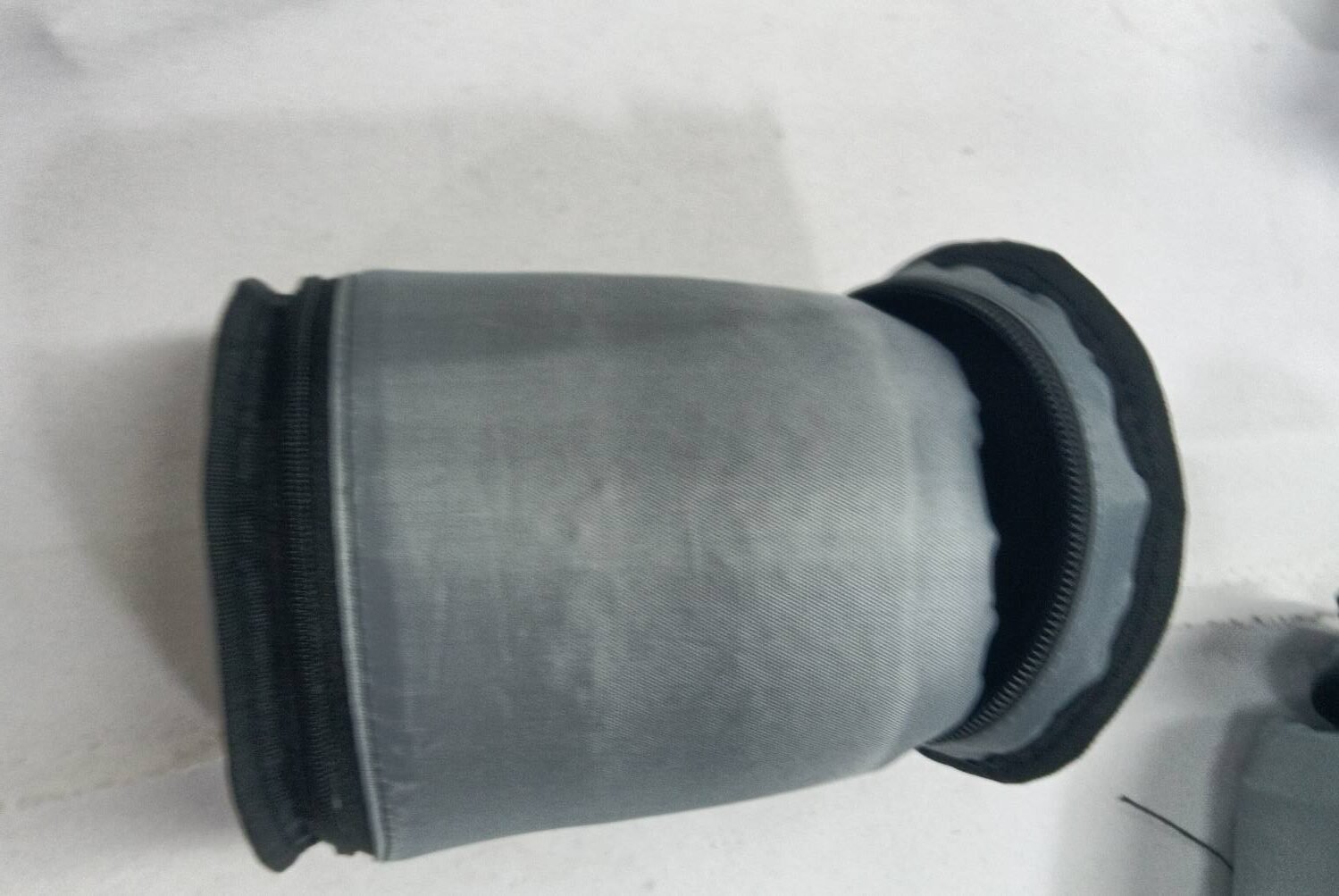
Factory evidence: R056 records protective padding and packing handling. Packing may look like the last step, but for B2B buyers it affects product arrival condition, carton planning and retail presentation. Evidence ID: MFG-PACK-001.
China Factory Vetting Checklist
Use this checklist when comparing camera bag suppliers or a custom camera case manufacturer:
| Checkpoint | Pass Signal | Risk Signal |
|---|---|---|
| Product focus | Camera, action camera, drone or electronic device cases | Random catalog with no case focus |
| Process knowledge | Can explain material, forming, stitching and insert choices | Only talks price |
| Fit review | Requests real device, drawing or sample | Quotes without fit information |
| QC | Shows finished inspection points | No clear sample-to-batch control |
| Commercial terms | Separates MOQ, sample, tooling and packaging | One vague total price |
| Branding | Requests vector logo and placement approval | Promises any logo without review |
| Compliance | Asks for market requirements and evidence | Claims all certifications without documents |
FAQ: Rank Math FAQ
How do I find a custom camera case manufacturer in China?
Find a custom camera case manufacturer by shortlisting factories that can explain their process, show workshop evidence, review device fit and provide a sample plan. Avoid suppliers who only discuss price and cannot explain production control.
What is a typical MOQ for custom camera cases?
The standard minimum order quantity (MOQ) for this product family is 1000 units per order.
How long does sampling take?
Sampling Lead Time: Sampling lead time is calculated based on the specific product requested by the customer, and the exact timeframe depends on the complexity of the design.
What is the difference between OEM and ODM camera cases?
OEM means the buyer provides the design or specification and the factory manufactures it. ODM means the factory develops the case from the buyer’s brief. Private label usually uses an existing structure with brand customization.
How do I verify a camera case factory?
Verify a camera case factory by asking for process evidence, sample workflow, QC checkpoints, device-fit review and packaging control. A real factory should be able to explain how a case moves from material to finished inspection.
What should I send before asking for a quote?
Send the device model, case type, target quantity, logo requirement, packaging plan, sales channel and expected launch date. Photos, drawings or physical samples make the quote more accurate and reduce sampling changes.