The DJI Osmo Pocket 4 has one part that decides everything about its case: the exposed gimbal. Protect that well without adding bulk, and you have a good case. This guide compares the four common case types for the Pocket 4 — by protection, portability and feel — and covers custom OEM options if you’re a brand or seller building a Pocket 4 accessory line.
Quick Answer: Osmo Pocket 4 Case Types Compared
| Case type | Gimbal protection | Portability | Hand-feel | Best for |
|---|---|---|---|---|
| Silicone sleeve | Low–moderate | High | Soft but grippy, attracts dust | Light daily carry |
| EVA hard case | High | Low (bulky) | Hard, utilitarian | Transport, storage |
| Fabric pouch | Low | High | Casual | Slip-in carry |
| Soft-formed case | High (fitted) | High (slim) | Soft, premium | Everyday premium carry |
Short version: a silicone sleeve is the cheap default but attracts lint and doesn’t shield a drop; an EVA hard case protects but is bulky; a soft-formed case gives fitted protection at a slim 1.5–2.0 mm while keeping a premium hand-feel — the best all-round option for a device you carry daily.
Why the Gimbal Changes the Rules
Unlike a flat action cam, the Pocket 4’s gimbal sticks out and moves. A case has to cradle the body and shield the gimbal head without pressing on it. That rules out any case that just “squeezes” the whole device. The best designs seat the camera on its body and leave the gimbal in a protected pocket — which is exactly where fit precision matters more than material thickness.
The Four Options in Detail
1. Silicone sleeve
The low-cost default. It adds grip and a thin scratch layer, but silicone attracts dust and lint, offers little drop protection, and reads as a budget accessory. Fine as a bundled freebie; weak as a standalone premium product.
2. EVA hard case
A molded foam shell (typically 4–6 mm) with a cut-out cradle. It protects well in a bag or in transit, but it’s bulky and utilitarian — you don’t carry it on the camera, you pack the camera into it. Good for storage and shipping; less so for grab-and-go creators.
3. Fabric pouch
Lightest and cheapest to carry, but it’s a dust bag, not protection — no structure to resist a drop. Best as a secondary layer inside a bag.
4. Soft-formed case
A shell built by forming multiple soft layers together into a slim 1.5–2.0 mm wall. It protects through precise fit and flexible absorption rather than bulk, so it stays slim and keeps a soft, leather-like feel. For a device carried every day, this is the sweet spot — protection and a premium look.
What “Good Build” Actually Means (From the Factory Floor)
Case quality isn’t marketing — it’s a handful of production details you can see and feel. Here’s what we control on a formed camera case, and why each matters to the buyer holding it:
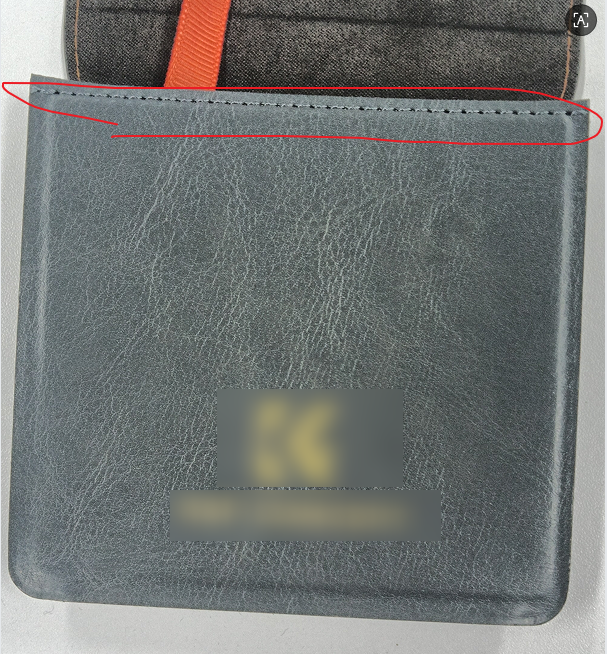
- Controlled forming helps maintain shape, fit and clean edge transitions — so the case still fits the device precisely after months of use, instead of loosening or slumping.
- Stitch alignment and seam consistency at critical assembly points — even, unbroken stitching is both structural and the first thing a buyer’s eye catches.
- Edge finishing is checked for alignment, coverage and visual consistency — clean edges are the difference between “premium” and “cheap.”
- Finished-unit inspection for alignment, assembly and visible defects before packing — so unit 500 matches the sample you approved.
The hard part of a soft-formed case isn’t forming a shell — it’s keeping a genuine soft hand-feel while the shape holds over time. Those two goals pull against each other; solving both is the craft. In English we call this multi-layer soft forming (not “IMD,” which the trade reads as a rigid injection process).
Custom Osmo Pocket 4 Cases for Brands & Sellers
If you sell creator accessories, a case compatible with the Osmo Pocket 4 can be built to your spec. Options include:
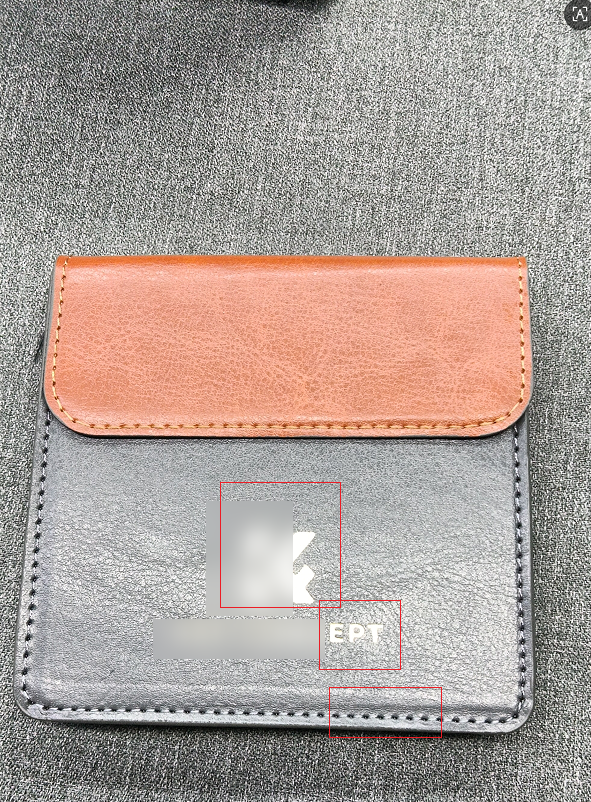
- Soft-formed protective case — slim, premium, fitted to the Pocket 4 body and gimbal.
- Custom foam insert for a standard shell you already stock.
- Combo carry — case with pockets for spare batteries, ND filters and cables.
- Branding — heat-pressed, embossed or printed logo; custom color and packaging.
Because the Pocket 4 is a current-generation device, this is the high-value window: buyers are searching for cases now and the accessory field is still forming. A factory that can prototype against the real device quickly can hit that window.
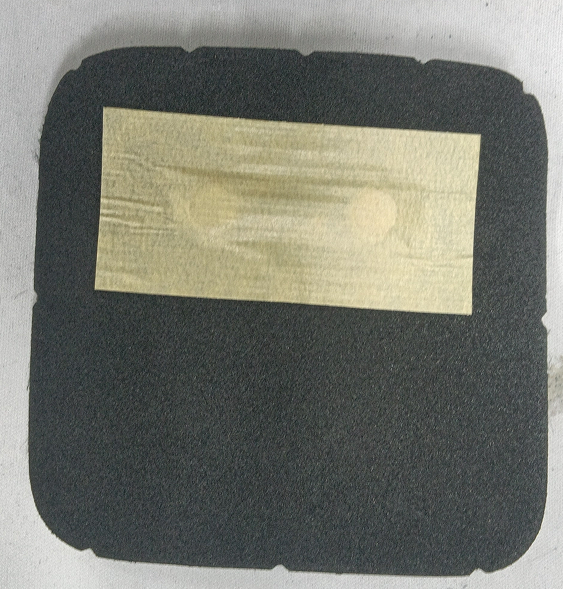
A magnetic closure seats cleanly and holds — checked for pull on every unit.
How to Choose (Decision Shortcut)
- Carry it daily, want it to look good → soft-formed case.
- Ship it or store a kit → EVA hard case.
- Just need grip and a scratch layer → silicone sleeve.
- Building a product line → custom soft-formed + insert, branded.
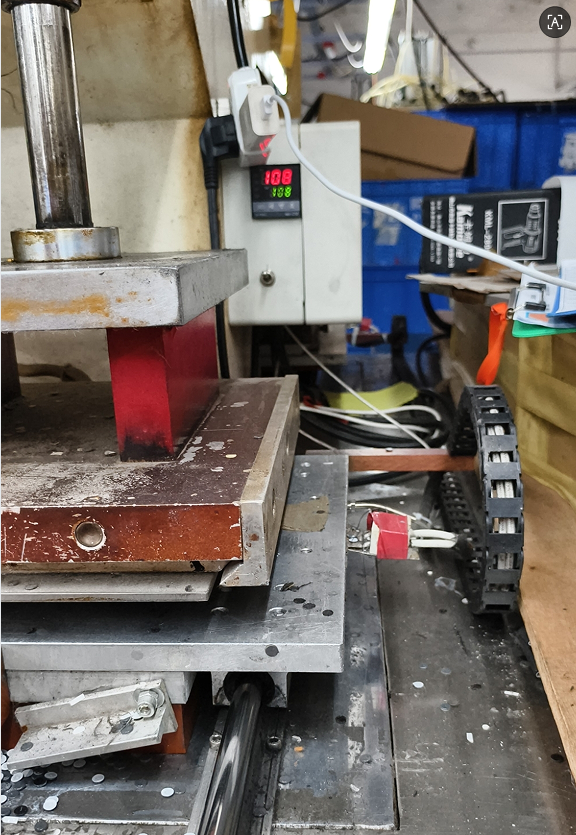
Soft-formed protective case shell for a pocket gimbal camera, formed at a slim wall thickness
What’s the best case for the DJI Osmo Pocket 4?
For daily carry, a soft-formed case gives fitted gimbal protection at a slim 1.5–2.0 mm while staying premium. Use an EVA hard case for transport and storage, or a silicone sleeve for basic grip.
How do you protect the Osmo Pocket 4’s gimbal?
The case should cradle the camera body and shield the gimbal head in a protected pocket without pressing on it. Fit precision matters more than raw material thickness here.
Is a silicone case enough for the Pocket 4?
It adds grip and a light scratch layer but offers limited drop protection and attracts dust. It’s fine as a basic layer, weak as standalone protection for a premium device.
Can you make custom Osmo Pocket 4 cases?
Yes — ZHIJIANG builds cases compatible with the Osmo Pocket 4 to your spec (soft-formed shell, custom insert, combo carry, branding). We’re an OEM factory, not affiliated with DJI.