OEM, ODM and private label are different ways to divide product ownership and development work. Choose OEM when your brand controls the specification, ODM when you need a factory-developed base to adapt, and private label when an approved product receives your branding and packaging. Many projects combine these models, so define ownership before sampling.
Quick Answer: OEM vs ODM vs Private Label
| Model | Buyer usually controls | Factory usually contributes | Best fit |
|---|---|---|---|
| OEM | Specification, fit, artwork and approval | Development and production execution | A defined custom product |
| ODM | Brand direction and adaptation brief | Existing structure or design platform | Faster product adaptation |
| Private label | Brand, label and selling package | Approved base product and production | A branded launch with limited changes |
| Hybrid | Agreed split by component | Agreed split by component | Complex case, insert or bundle |
OEM: You Own the Product Brief
OEM is suitable when your team has a defined device kit, layout, dimensions, material direction, branding and packaging plan. The manufacturer translates that brief into samples, revisions and repeatable production.
The buyer should control the approved drawing, artwork version, reference sample and acceptance points. That does not mean the buyer must know every factory process. It means both sides know which version is being made.
For a camera brand or distributor, OEM is useful when the case must fit a specific kit or carry a distinct brand experience.
ODM: Start From a Factory Development Platform
ODM usually begins with an existing structure, capability or design direction that the factory can adapt. It can reduce development ambiguity, but the buyer must ask exactly what can change: size, insert, material, color, logo, closure, packaging or accessory layout.
Do not assume that an ODM base is automatically exclusive. Ask whether the same structure is offered to other customers, which parts are standard, and which modifications create a new approval version.
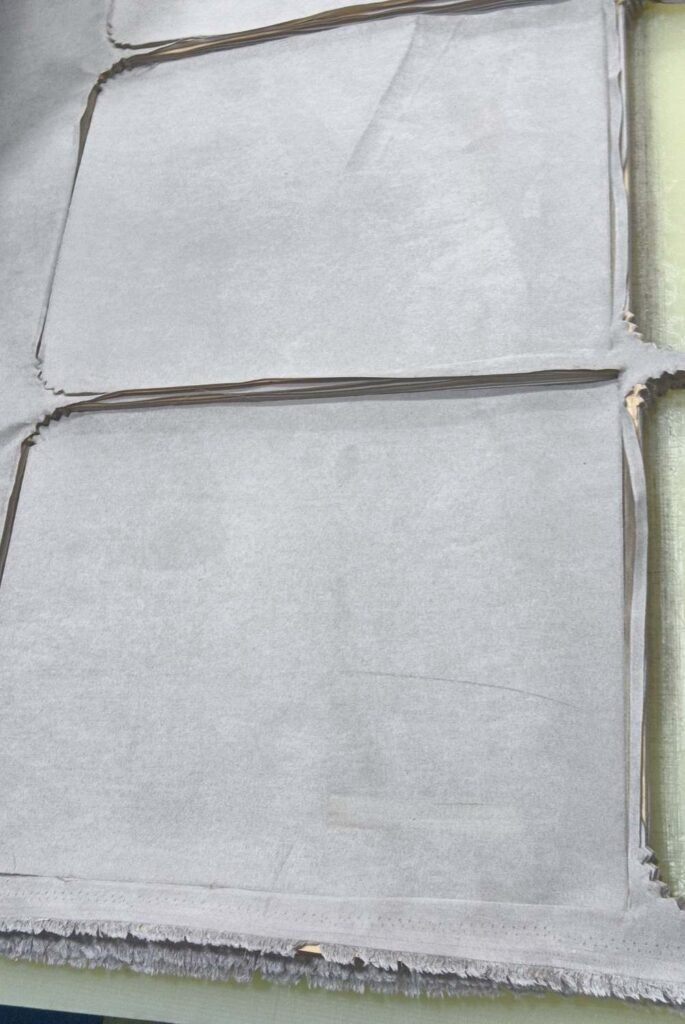
From our floor, material cutting and assembly decisions influence whether an adapted shape remains consistent across a batch. Evidence ID MFG-EDGE-001 is currently REVIEW, so it should be treated as a candidate process reference, not an approved performance claim.
Private Label: Branding an Approved Product
Private label is a commercial packaging model. The case or organizer may use an approved base construction, while your brand controls the logo, label, insert card, color selection and sales package. It is often suitable for a seller testing a category or a brand launching a coordinated accessory line.
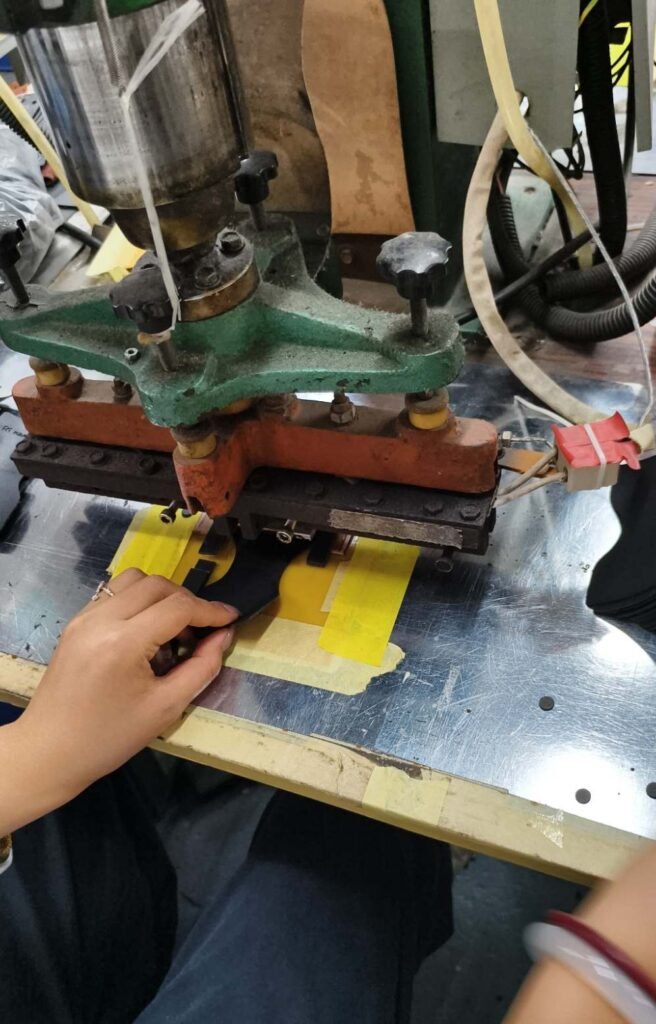
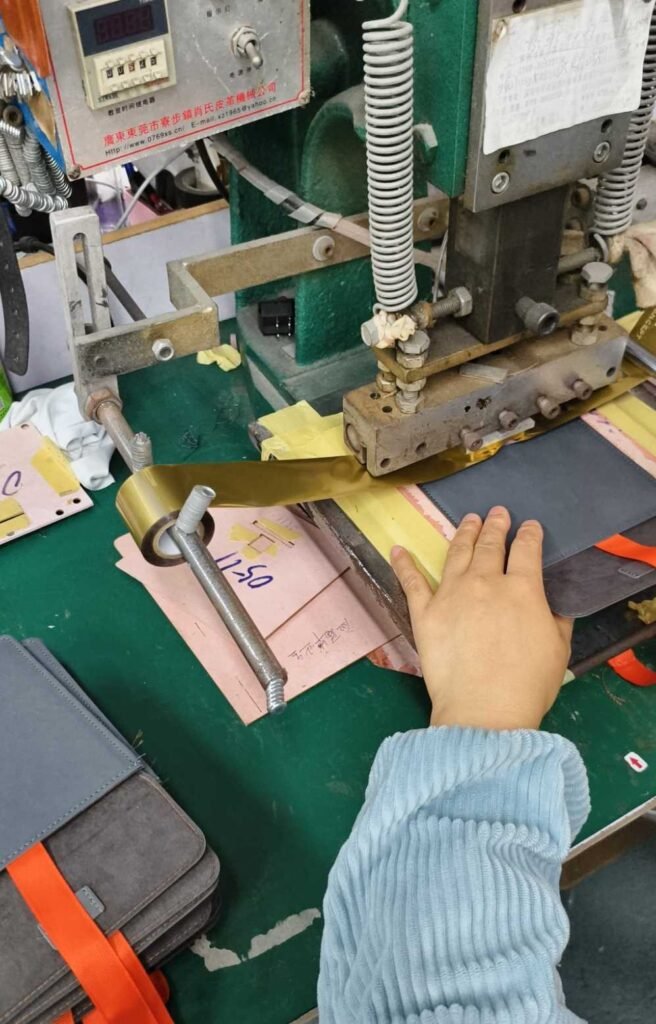
Branding still needs a physical proof. Check the mark on the actual surface, opening area, hand-contact zones, lining and packaging. R004 and R006 are public image references for logo and foil processes; their evidence status is REVIEW and they do not confirm a universal branding method.
Decide With a Responsibility Matrix
Before sampling, create a one-page matrix with five columns: decision, buyer owner, factory owner, approval evidence and change cost. Include case construction, insert layout, material, color, logo, packaging, inspection and shipping assumptions.
A hybrid model can work well. For example, the buyer may own the device layout and brand system, while the factory recommends a construction and manages production. The contract should state where the boundary sits.
FAQ – Use Rank Math FAQ Block
What is the difference between OEM and ODM?
OEM starts from the buyer’s product specification, while ODM usually adapts a factory-developed structure or design platform to the buyer’s brand and requirements.
Is private label the same as OEM?
Private label describes a branded selling arrangement, while OEM describes a development and production relationship; a private-label project can also include OEM customization.
Which is better, OEM or ODM?
OEM suits a differentiated product brief, while ODM suits a buyer who wants to adapt an existing development platform; the right choice depends on control, speed, exclusivity and budget.
What can be customized on a private-label camera bag?
Possible scope includes structure, insert, material, color, logo, label, packaging and accessory layout, but the exact scope must be confirmed against the approved base and sample.
Does ODM mean the design is exclusive?
No. ODM exclusivity is not automatic; confirm which elements are standard, what is customized, and whether any exclusivity is written into the project agreement.
What MOQ is required for private-label camera cases?
The standard minimum order quantity (MOQ) for this product family is 1000 units per order.
