A custom camera case should be developed around the real device kit, the user’s access motion and the buyer’s repeat-production plan. The correct result balances fit, protection, materials, opening, branding, packaging and quality control. For a B2B buyer, the case is both a protective product and a physical system that must be quoted, sampled and reproduced.
This complete guide explains how to move from a loose idea to an approved custom camera case. It is written for camera brands, distributors, creator-gear companies and sellers building a private-label product line.
Quick Answer: What Makes a Camera Case Truly Custom?
| Development area | What must be defined | Why it matters |
|---|---|---|
| Device fit | Body, lens, accessories and no-contact zones | Prevents movement and blocked controls |
| Case architecture | Sewn pouch, soft-formed case, EVA shell or hybrid | Determines feel, structure and development work |
| Interior | Fixed cavities, dividers, pockets and access zones | Controls how the kit is stored and removed |
| Brand system | Logo, color, labels and packaging | Makes the product ready for the buyer’s channel |
| Production plan | Sample, approval file, QC and repeat rules | Protects consistency after launch |
Start with the Device Kit, Not the Outer Shape
The first development document should list everything the case must hold. Include the camera body, lens, battery, charger, cable, microphone, strap, memory-card wallet and any small tools. Mark each item as fixed, adjustable or loose. The same camera body can require a different case when the buyer changes the lens, controller, battery count or bundled accessories.
Ask for physical samples or measured drawings from multiple angles. A published dimension may not show a grip transition, lens collar, screen hinge or protective film. Add the areas that must remain clear: buttons, ports, screens, lenses, vents, tripod mounts and carrying points.
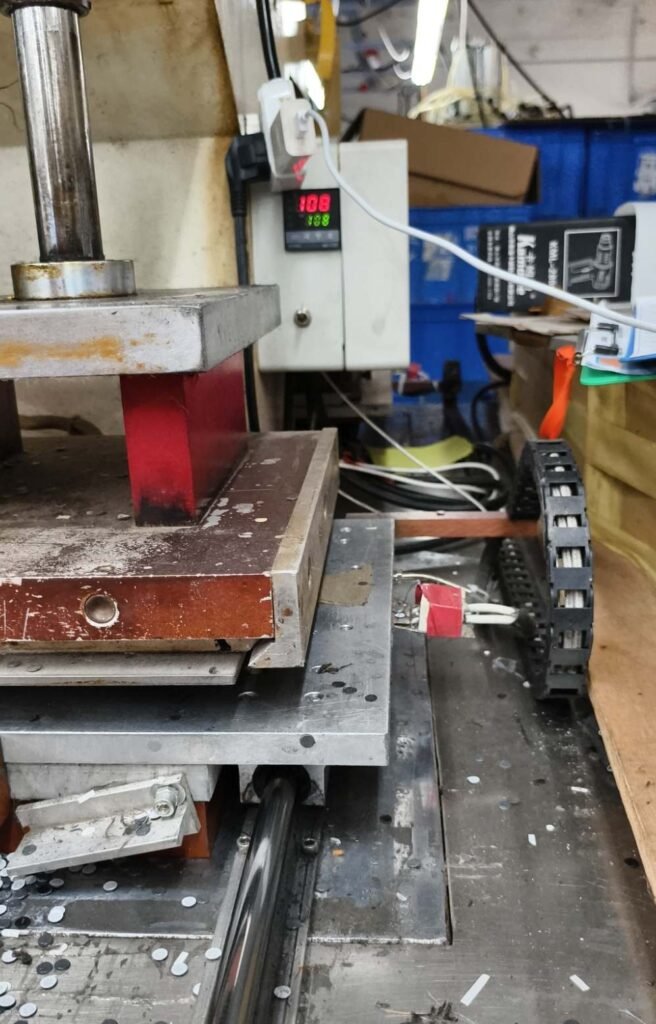
Our production records include lens-case assembly and divider construction references. The practical lesson is that the interior, lining, opening and outer body must be checked as one assembled product. Evidence IDs: MFG-FILTER-001 and MFG-STITCH-001, both REVIEW.
Choose the Case Architecture
A sewn padded pouch is flexible and lightweight. It works when the user carries a small kit inside a larger bag. A soft-formed case gives the exterior a more defined silhouette while retaining a softer hand feel. An EVA structure gives a more controlled shell format. A rigid case may suit a larger transport system, but it should be assessed against the buyer’s positioning, weight target and distribution method.
Use a hybrid architecture when one material cannot solve every requirement. For example, a shaped exterior can control the silhouette while a soft liner protects the device contact zones. A fixed insert can locate the camera while a flexible pocket holds cables and small accessories.
The construction choice should be made before quoting, because it affects materials, tooling, sample work, labor, packaging and repeat-order control. If the project is still exploring formats, request two or three concept directions rather than asking for one final price too early.
Design the Interior for Protection and Access
The case should hold the device without creating unnecessary removal force. Place the most frequently used item nearest the main opening. Keep hard accessories away from optical surfaces and screens. Add finger access where the user needs to lift the camera, lens or battery.
For a camera bag or larger organizer, dividers allow the user to change the layout. For a defined retail kit, a shaped insert can make the product look more organized and reduce movement. The buyer should decide whether the layout must remain fixed after launch or whether flexibility is part of the product value.
Select Materials and Finishing at System Level
Material selection should consider hand feel, shape retention, cleanability, surface appearance, weight, edge behavior and cost position. Do not choose a material only from a color swatch. Review it after lamination, forming, stitching, lining and closure assembly.
Surface and edge details affect perceived value. Buyers should inspect seam alignment, edge coverage, zipper clearance, lining cleanliness, pocket construction and logo placement on the physical sample. A case can use a premium outer surface and still feel unfinished if the inner edge is rough or the opening catches the device.
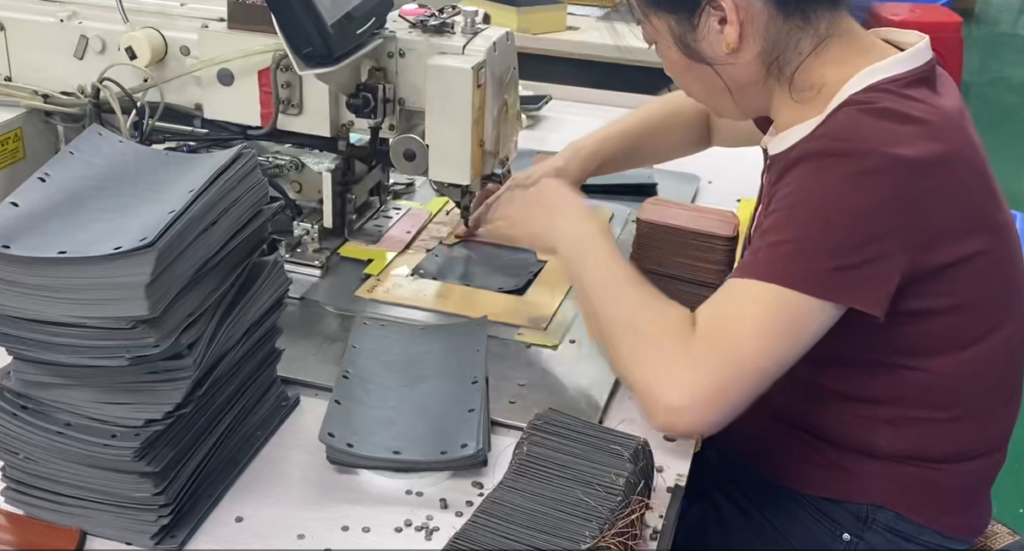
When a soft-formed panel is used, the public evidence index describes controlled forming as a candidate method for maintaining shape, fit and clean edge transitions. Evidence ID: MFG-FORM-001, status REVIEW. It is not an approved universal performance claim.
Move from Concept to Repeat Production
A professional development sequence normally includes:
- Product brief and complete device list.
- Layout drawing and construction direction.
- Material and branding confirmation.
- Physical prototype with the real device.
- Fit, appearance and access corrections.
- Approved sample and revision-controlled artwork.
- Pilot or pre-production checks.
- Mass-production release with inspection and packing instructions.
R105 records precision material cutting, while R052 records finished-product inspection. These references support the idea that repeatability begins before final inspection: panels, assembly, edges, fit and visible defects all need a defined control point. Evidence IDs: MFG-QC-001 and MFG-PACK-001, both REVIEW.
What to Send for an OEM Quote
Send the device list, physical samples or drawings, desired case format, target dimensions, opening direction, lining preference, logo artwork, packaging plan, target quantity and launch market. State which features are fixed and which can be proposed by the factory.
FAQ – Use Rank Math FAQ Block
What is a custom camera case guide used for?
A custom case guide helps a buyer define device fit, materials, interior layout, branding, sampling, QC and production requirements before requesting a quote.
How do I choose a custom camera case structure?
Choose the structure from the device kit, fit requirement, hand feel, carry condition, retail position, quantity and required repeatability.
What should I send to a camera case manufacturer?
Send device samples or drawings, accessory list, case dimensions, layout, material direction, logo artwork, packaging requirements and target quantity.
How many samples are needed for a custom case?
The number of samples needed depends on your required materials, dimensions and specifications. We review these requirements first, then confirm how many samples are needed to verify fit, construction and finish before bulk production.
What is the MOQ for custom camera cases?
The standard minimum order quantity (MOQ) for this product family is 1000 units per order.
Can ZHIJIANG support private-label case development?
ZHIJIANG can discuss compatible case structures, inserts, branding and packaging as an independent OEM/ODM manufacturer, subject to project confirmation.
