A custom camera case should move through controlled stages: sizing, layout, material selection, prototype, fit approval, pilot checks and mass production release. The fastest projects are not the ones that skip approval; they are the ones that define the input, decision owner and acceptance point at every stage.
In this article, “MP” means mass production.
Quick Answer
| Stage | Main question | Required output |
|---|---|---|
| Sizing | What must the case hold? | Device list and measurement pack |
| Layout | How should users access it? | Cavity or divider drawing |
| Prototype | Does the real device fit? | Physical sample and issue list |
| Pilot | Can the approved structure repeat? | Pilot check and inspection points |
| MP release | What must stay consistent? | Approved file, sample and QC plan |
1. Sizing and Layout
Start with the complete kit: camera body, lens, batteries, charger, cables, microphone, strap and small accessories. Record the device model, real dimensions, contact zones and preferred removal motion. A camera case is a system of spaces, not only an outer rectangle.
The layout should show fixed cavities, flexible pockets, hard-accessory buffers, finger access and closure clearance. If a buyer already has a shell, provide the inner dimensions or the physical shell. If the case is new, define the outer size, carrying method and packaging target.
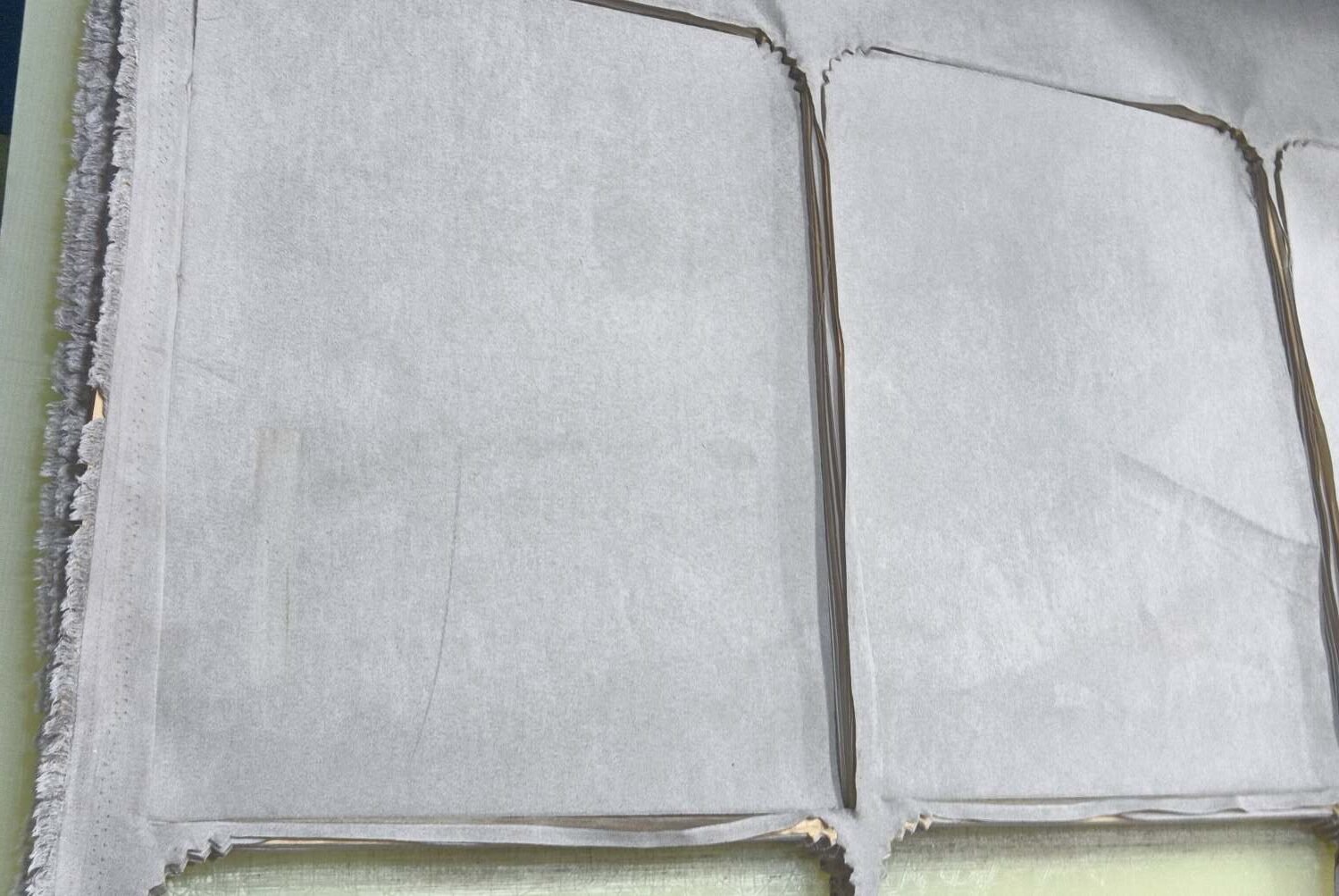
R105 records material cutting precision work. It is a useful reminder that repeatable case development begins with controlled panel preparation. Evidence ID: MFG-QC-001, status REVIEW.
2. Material and Construction Review
Choose the construction from the required fit, hand feel, weight, shape retention, access and retail tier. Possible routes include sewn padding, structured organizer, soft-formed panel, EVA shell, divider kit or a hybrid interior.
Review the whole assembly rather than one material in isolation. A lining can change clearance. A zipper can occupy the space needed for a finger. A surface finish can change how a panel folds. The development brief should state which areas must feel soft, which must hold shape and which must remain open for controls or ventilation.
3. Prototype and Fit Approval
The prototype should use the intended structure closely enough to reveal fit and access issues. Test the actual device, not an approximate object. Check installation, removal, button clearance, lens or screen no-contact zones, closure operation, strap connection and accessory order.
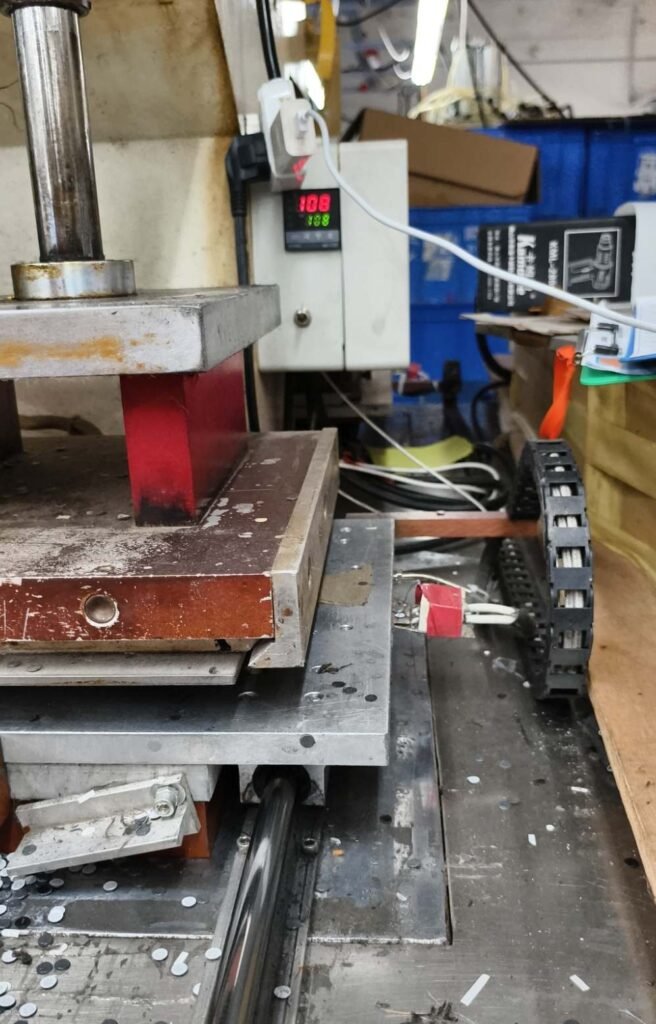
For a soft-formed case, review silhouette, surface marks, edge coverage and shape recovery as well as device fit. R011 is a public process reference for a formed camera-case shell. Evidence ID: MFG-FORM-001, status REVIEW.
Record every change in a sample note or drawing revision. Do not rely on messages that describe “slightly tighter” or “a little more space” without a marked location. The approval sample should be identifiable by date, revision and owner.
4. Pilot and Pre-Production Checks
Before MP, confirm that the approved structure can be cut, assembled, finished and packed consistently. Check the first production pieces for panel alignment, seam position, cavity order, edge coverage, closure operation and visible defects.
If the buyer needs a statistical inspection plan, agree on lot definition, defect classes, sample size and acceptance rules. A fixed number of pieces is not automatically an industry AQL plan. The final inspection standard should match the project’s risk and customer requirements.
5. MP Release and Repeat Control
The MP release package should contain the approved sample, latest drawing, material description at the permitted disclosure level, logo artwork, packaging instruction, inspection points and change-control rule. Every repeat order should be checked against this package.
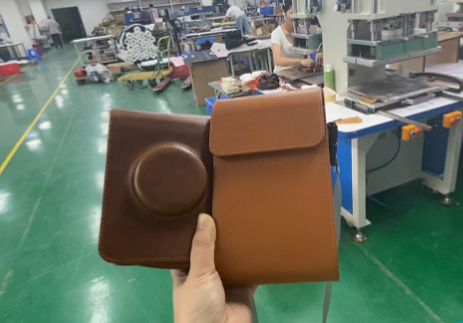
The evidence index describes finished products being inspected for alignment, assembly and visible defects before packing. Evidence ID: MFG-QC-001, status REVIEW. It is not a claim of a certified management system or a universal sampling result.
FAQ – Use Rank Math FAQ Block
What are the steps in custom camera case development?
The usual stages are sizing, layout, construction selection, prototype, fit approval, pilot checks and mass production release.
What does MP mean in manufacturing?
In this article, MP means mass production.
How long does camera case development take?
The timeline depends on device samples, structure, materials, artwork, revisions, tooling and quantity.
What should be approved before mass production?
Approve the physical fit sample, appearance, materials, artwork, packaging, inspection points and change-control method before releasing the production order.
Can an existing case be used as a development reference?
Yes, an existing shell or competitor reference can help define size and layout, but the buyer should confirm intellectual-property boundaries and provide the target device samples.
