A custom camera lens case or pouch should be developed from the real lens, cap configuration and user handling motion. The most reliable OEM brief defines cavity clearance, lining, opening, closure, branding, packaging and target quantity before the first sample. A polished exterior cannot compensate for a cavity that is too loose, too tight or difficult to access.
This guide helps camera brands, distributors and accessory buyers choose a construction and prepare a factory-ready quotation brief.
Quick Answer
| Project need | Suitable direction | Main design question |
| Lightweight carry | Sewn padded pouch | How should the lens stay centered? |
| Stronger shape | Structured or semi-formed case | Where should pressure be controlled? |
| Multi-lens kit | Organizer with defined cavities | Which lens is accessed first? |
| Premium private label | Custom shell, lining and logo | Which details affect perceived value? |
| Existing case upgrade | Custom insert or pouch | What are the exact inner dimensions? |
Choose the Case Format
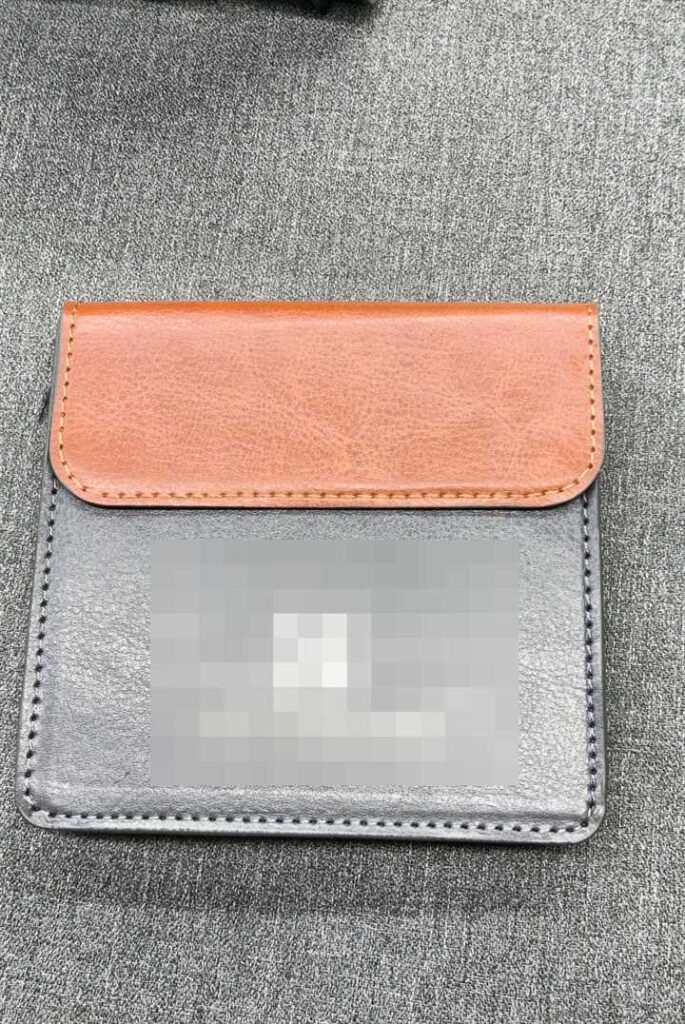
A sewn pouch is flexible, light and suitable for a lens carried inside a larger camera bag. It normally uses a soft lining, padding and a zipper, flap or draw-style opening. The design must prevent the lens from rolling inside the pouch and must keep the closure away from the optical surface.
A structured case offers a more defined silhouette and can give the retail kit a stronger presentation. A semi-formed construction sits between a soft pouch and a hard shell, which can be useful when the buyer wants shape retention without a rigid hand feel. The correct choice depends on transport, lens weight, retail tier and the expected number of openings.
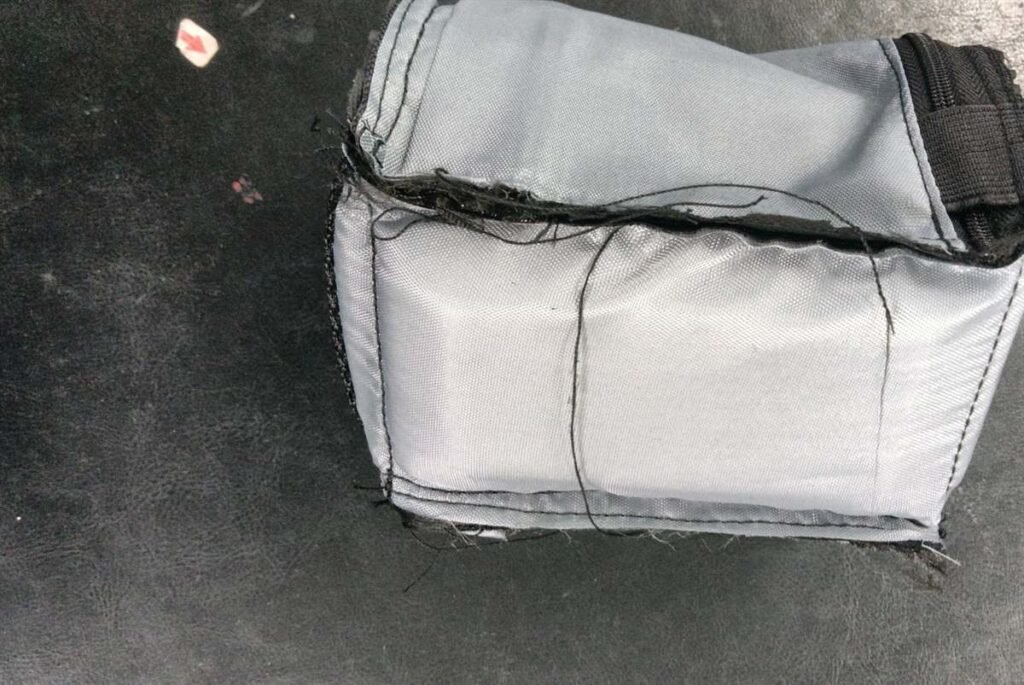
Factory evidence: R150 records lens-case body assembly. The construction sequence matters because the shell, lining, zipper path and pocket order must remain compatible after assembly. Evidence ID: MFG-FILTER-001, status REVIEW.
Lining, Closure and Edge Details
The lining is the surface that meets the lens, so it should be evaluated for cleanliness, fiber behavior and friction. Ask for a physical sample and inspect the inside, not only the exterior photos. If filters, caps or adapters share the case, define whether they need separate pockets.
Closures should be planned around the lens movement. A zipper that crosses the main contact zone can scratch or catch if the lens is inserted at an angle. A flap may improve access but can add bulk. A draw-style opening may fit flexible pouches but requires a clear retention plan.
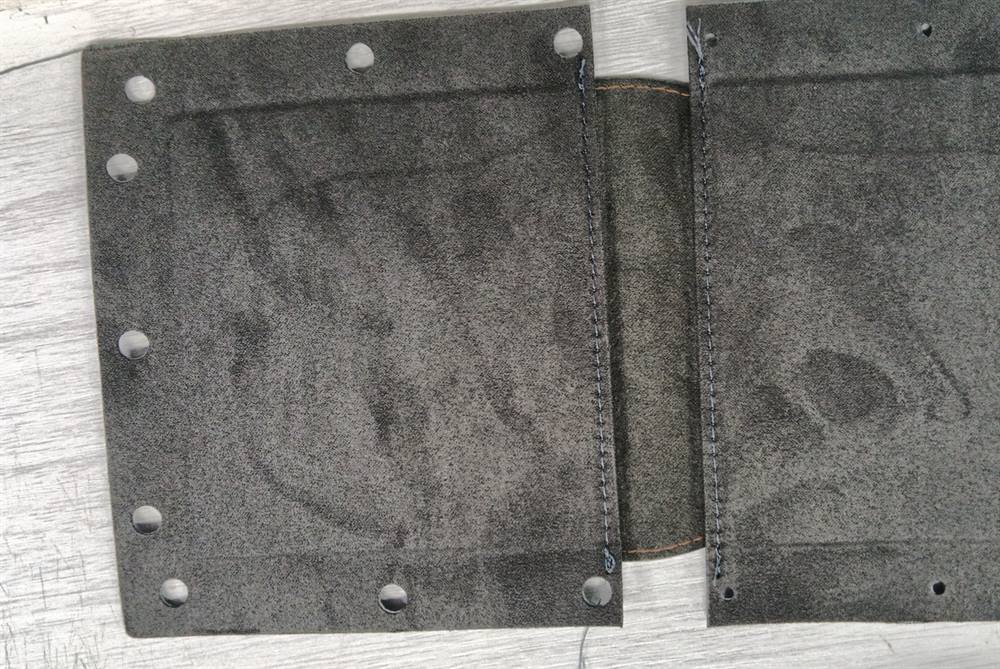
Edge finishing affects both comfort and appearance. Bound mesh pockets, covered seams and clean edge transitions help the pouch feel finished. These details also need to survive repeated opening, closing and handling.
What to Send for an OEM Quote
Prepare a compact development brief:
- Lens model list, real samples or measured drawings.
- Front and rear cap configuration.
- Target case inner and outer dimensions.
- Preferred format: pouch, structured case, semi-formed case or organizer.
- Lining, padding, closure and pocket preferences.
- Logo artwork, color references and packaging direction.
- Quantity by launch, repeat order and target market.
Sample and QC Checklist
During sampling, test the lens insertion force, cap clearance, closure position and removal motion. Check that the lens does not contact a hard zipper component or neighboring accessory. Inspect the lining for visible contamination and the exterior for seam alignment, edge coverage and obvious defects.
The public evidence index describes finished-product checks for alignment, assembly and visible defects before packing. Evidence ID: MFG-QC-001, status REVIEW. It is a candidate expression, not an approved certification claim.
FAQ – Use Rank Math FAQ Block
How do I choose a camera lens case?
Choose the format from lens weight, transport, access frequency, cavity stability, lining preference and retail presentation. Use a structured case when shape control matters most and a pouch when flexibility matters more.
Can a factory make a custom lens pouch?
Yes, an OEM factory can develop a pouch around real lens samples, measured drawings, closure preferences, lining requirements, logo artwork and target quantity.
What should a custom lens case include?
Define the cavity, padding, lining, closure, access zone, accessory pockets, branding and packaging. The correct list depends on the lens and the intended kit.
Can one pouch fit different lenses?
It can if the cavity or adjustment system is designed for the full range. A loose shared pocket may increase movement and reduce protection.
What is the MOQ for an OEM lens case?
The standard minimum order quantity (MOQ) for this product family is 1000 units per order.
