To defog a camera lens safely, move it to a stable indoor environment, keep the caps in place when practical, let surface condensation clear naturally and avoid rubbing wet optical surfaces. If fog remains inside the lens or returns repeatedly, stop using the lens and ask an authorized service professional to inspect it. A case can reduce handling and storage risk, but it cannot replace optical servicing.
For camera brands and accessory buyers, the same issue becomes a case-design question: how should the pouch separate the lens, allow air to settle, and avoid trapping a warm or wet item inside a closed compartment?
Quick Answer
| Situation | Safe first response | Avoid |
|---|---|---|
| Surface fog | Let the lens reach room conditions naturally | Scrubbing while moisture is present |
| Cold lens entering warm air | Keep handling minimal and wait | Sealing it immediately in a tight pouch |
| Fog inside the lens | Stop use and seek service | Opening the lens at home |
| Repeated condensation | Review storage and transition conditions | Assuming the case alone fixes the cause |
| OEM case design | Separate cavities and support clean handling | Making an untested complete-case sealing claim |
What to Do When a Lens Fogs
First identify where the fog appears. Surface condensation on the outside may clear as the lens temperature catches up with the room. Internal haze, moisture behind the front element or repeated fogging is a different risk and should be handled by a qualified service provider.
Keep the lens stable. Avoid wiping aggressively, using a hair dryer, placing the lens against a heater or applying unverified chemicals. Rapid heat can create new temperature differences and may damage coatings, adhesives or nearby components. When the outside is dry, use a clean lens-care method recommended by the camera or lens maker.
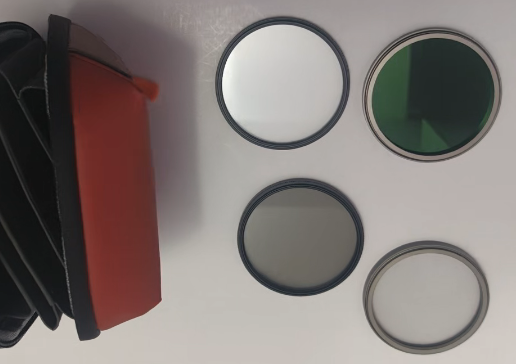
Factory evidence: R150 records lens-case assembly. The relevant lesson for a case buyer is that clean storage depends on body construction, lining and opening control, not only on the outer material. Evidence ID: MFG-FILTER-001, status REVIEW.
Case Features That Reduce Handling Risk
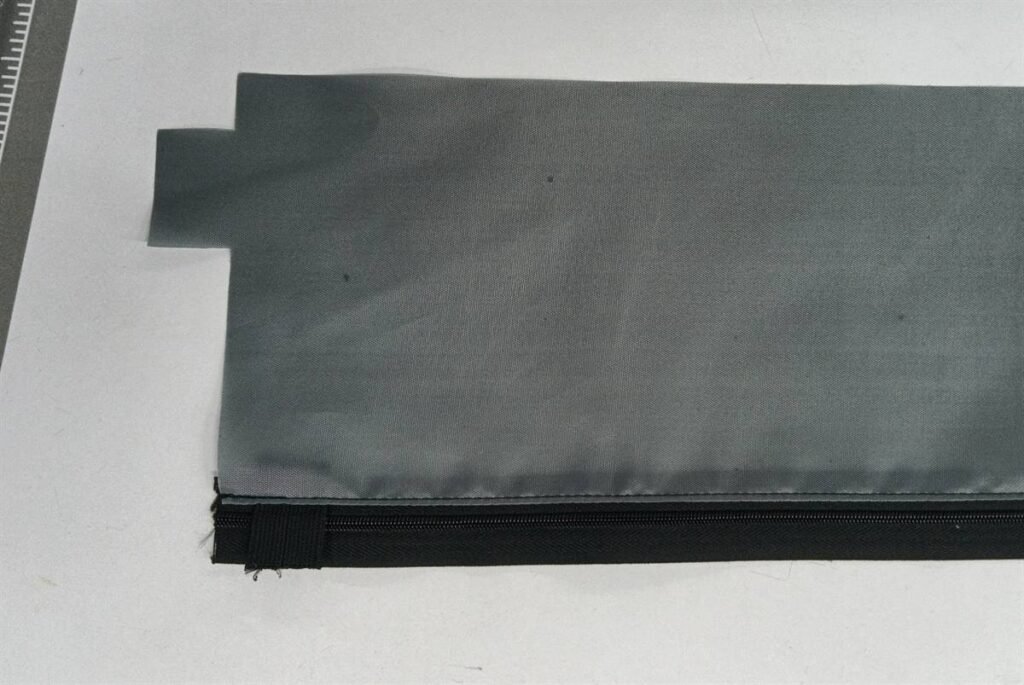
A lens pouch should keep the lens away from the zipper path and hard accessories. A separate cavity is easier to inspect than a loose shared pocket. A pull tab or finger-access zone reduces the chance that the user touches the glass while removing the lens.
For a multi-lens organizer, define each lens position and cap direction. Do not assume that similar-looking lenses have identical collars or lengths. If a buyer wants a removable desiccant compartment, specify its location and handling instructions separately. Do not describe that compartment as proof that the entire case is moisture-proof.
The lining should be clean, stable and compatible with the intended use. Ask the factory to check loose fibers, zipper clearance, seam alignment and the way the pouch closes around the lens. A case that is easy to open and inspect can reduce repeated handling pressure.
When the Lens Needs Service
Seek service when fog appears inside the optical assembly, remains after the lens has reached room conditions, is accompanied by liquid droplets, or returns during normal use. The service provider can determine whether moisture entered the lens and whether seals, optics or electronic contacts need attention.
For OEM programs, write the care message around the actual product and material limits. A case supplier can support the protective storage structure, but the camera maker or optical service authority should own repair and lens-condition claims. This keeps the product page accurate and prevents an organizer from being marketed as a tested environmental enclosure without evidence.
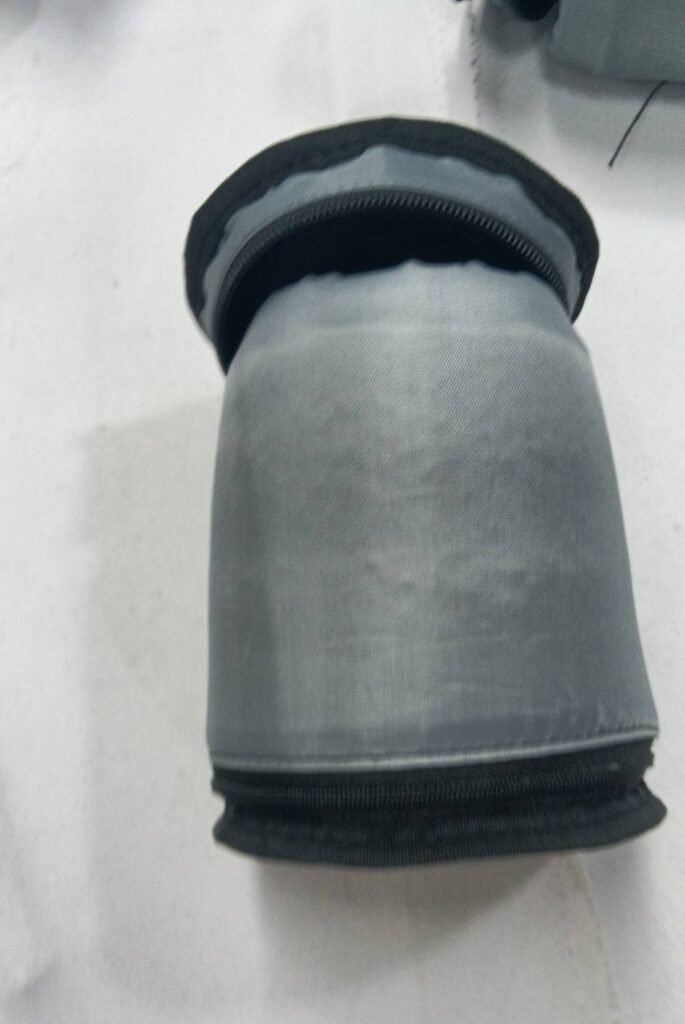
Packing also matters during shipment. The public production reference for protective padding shows a packing step before dispatch. Evidence ID: MFG-PACK-001, status REVIEW.
FAQ – Use Rank Math FAQ Block
How do you defog a camera lens?
Move the lens to a stable room environment and let surface condensation clear naturally. Avoid aggressive wiping or direct heat, and seek professional service if the fog is internal or persistent.
Why does a camera lens fog up?
A lens can fog when its surface is colder or warmer than the surrounding air, allowing condensation to form. Rapid movement between environments increases the risk.
Can I use a hair dryer to remove lens fog?
Direct heat is not a safe general recommendation because it can create temperature stress and may affect coatings or components. Use gradual temperature equalization instead.
Can a camera case prevent lens condensation?
A case can reduce handling and contact risk, but it cannot guarantee prevention of condensation. Storage transition, humidity and the lens condition still matter.
When should a fogged lens be repaired?
Ask a qualified service professional when fog appears inside the lens, remains after acclimatization, shows droplets or repeatedly returns.
